
 EN
EN
 ar
ar bg
bg hr
hr cs
cs da
da nl
nl fi
fi fr
fr de
de el
el hi
hi it
it ko
ko no
no pl
pl pt
pt ro
ro ru
ru es
es sv
sv tl
tl iw
iw id
id lv
lv lt
lt sr
sr sk
sk sl
sl uk
uk vi
vi et
et hu
hu th
th tr
tr fa
fa ms
ms hy
hy ka
ka ur
ur bn
bn mn
mn ta
ta kk
kk uz
uz ku
ku
Automated Equipment Test Cable
For delivery and after-sales planning, Kingmach Automated Equipment Test Cable follow the product-page support framework used across the site. Standard in-stock models may ship quickly when available, while customized products follow the contract schedule. Packaging is described as anti-static and shockproof for precision monitoring products, and warranty service applies to non-human-caused damage during the warranty period. Technical response support is also listed in the local product files. These service details are useful when cables are ordered for time-sensitive monitoring work, system repair, or staged installation.
Application of Automated Equipment Test Cable
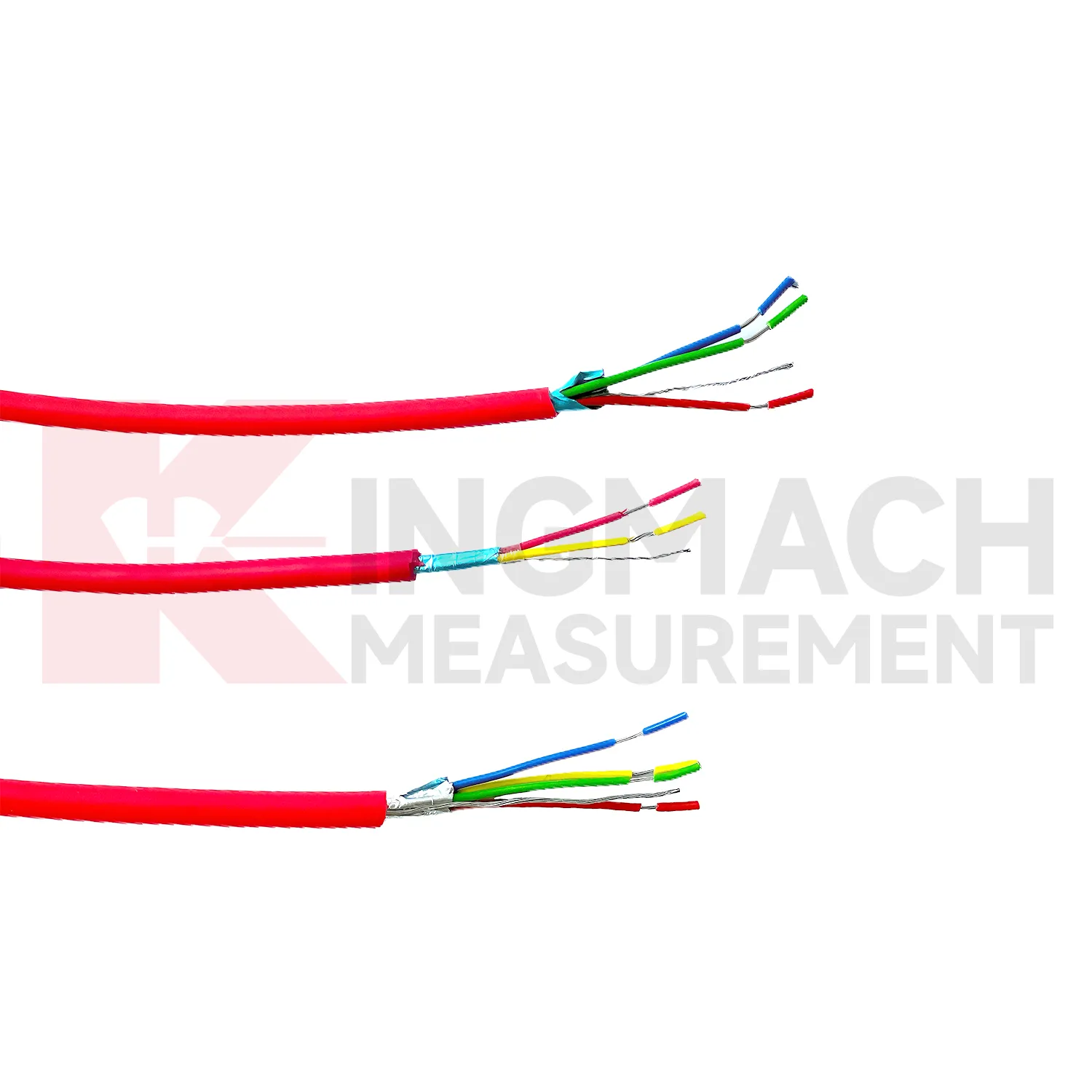
Bridge monitoring uses Kingmach Automated Equipment Test Cable to connect sensors across decks, pylons, bearings, anchor zones, cable areas, and cabinets. These routes often pass through zones with traffic vibration, weather exposure, maintenance work, and long cable runs. Shielded test wiring helps preserve strain, load, displacement, or vibration signals near electrical noise sources. Hydraulic cable can be used where water, drainage, or damp box-girder conditions affect routing. Clear cable labeling and sealed terminations help bridge owners trace readings during inspections after storms, impacts, or heavy traffic events.
The future of Automated Equipment Test Cable
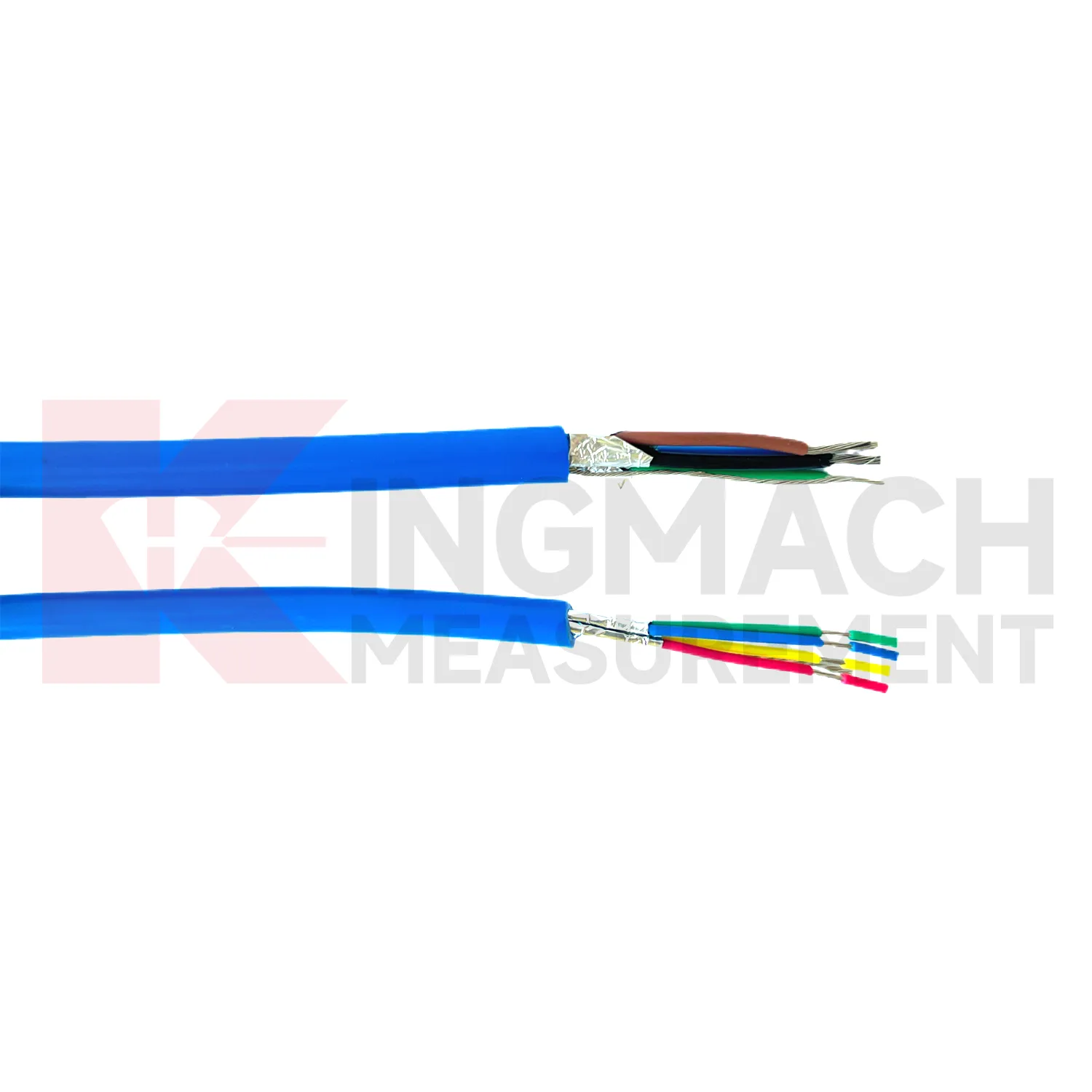
Future use of Kingmach Automated Equipment Test Cable will be tied more closely to digital monitoring networks. As owners connect bridges, tunnels, dams, slopes, and buildings to online platforms, cable quality will remain a quiet but critical part of data trust. Wireless links may handle part of the communication path, but many field sensors still need stable power and signal routes at the measurement point. Shielded, sealed, and well-documented cables will help automated systems separate true structural events from connection noise, moisture faults, or channel interruptions.
Care & Maintenance of Automated Equipment Test Cable
Labeling is a maintenance task for Kingmach Automated Equipment Test Cable, not just a neatness habit. Each cable should show instrument point, cable model, core assignment, cabinet location, and recorder channel. The same information should appear in the handover file. When a channel later reports noise, flatline data, or sudden jumps, technicians can inspect the correct route without disturbing neighboring sensors. Clear labels are especially important on multi-core cable, where a single sheath may carry several conductors that must remain traceable.
Kingmach Automated Equipment Test Cable
Kingmach Automated Equipment Test Cable protect monitoring data in places where interference is part of daily site life. Pumps, motors, welding work, power cabinets, railway equipment, construction machinery, and lightning protection systems can all affect weak sensor signals if cable routing is poorly planned. A composite shielding structure in JMZX-XPX helps keep precise sensor signal transmission stable in demanding testing areas. In hydraulic work, JMZX-XSX adds water-resistant insulation and sealing so the data path remains dependable in damp or underwater conditions. The engineering value is simple: fewer unexplained spikes, fewer repeat site visits, and clearer evidence when the structure itself changes.
FAQ
Q: What are Kingmach Automated Equipment Test Cable used for?
A: They connect monitoring sensors, acquisition equipment, cabinets, and data recorders while helping protect signal transmission in demanding field environments.
Q: Which cable models are listed in this category?
A: The local product pages list test dedicated shielded wire JMZX-XPX and hydraulic cable JMZX-XSX.
Q: What is JMZX-XPX designed for?
A: It is a shielded test wire with composite shielding for low-loss sensor signal transmission and resistance to EMI and RFI.
Q: What is JMZX-XSX designed for?
A: It is a hydraulic engineering cable with multi-layer sealing and water-resistant insulation for humid, underwater, or wet routes.
Q: Where are these cables commonly applied?
A: They are used in bridges, tunnels, slopes, buildings, dams, foundation pits, railways, hydraulic works, and mixed monitoring systems.
Reviews
Joshua Clark
We ordered a full monitoring solution including sensors and data loggers. Everything works seamlessly together. Great supplier!
Robert Taylor
The weir flow meter is well-built and delivers accurate measurements. Great value for water management applications.
Latest Inquiries
To protect the privacy of our buyers, only public service email domains like Gmail, Yahoo, and MSN will be displayed. Additionally, only a limited portion of the inquiry content will be shown.
Charlotte***@gmail.comUnited Arab Emirates
Hi, we require instrumentation cables suitable for harsh environments. Could you advise on specifica...
Emma***@gmail.comCanada
Dear Sir/Madam, we are interested in displacement transducers and settlement sensors for a geotechni...
Related product categories
- Singlelayer Shielded Test Cable
- Multicore Shielded Test Cable
- 2core / 4core / 6core / 8core Hydrological Cable
- Corrosionresistant Hydrological Cable
- Shielded Hydrological Cable
- Multicore Hydrological Cable
- Data Transmission Cable
- Automated Equipment Test Cable
- Sensor Shielded Test Cable
- Motor Shielded Test Cable
- Signal Cables
- Test dedicated shielded wire