
 EN
 ar
 bg
 hr
 cs
 da
 nl
 fi
 fr
 de
 el
 hi
 it
 ko
 no
 pl
 pt
 ro
 ru
 es
 sv
 tl
 iw
 id
 lv
 lt
 sr
 sk
 sl
 uk
 vi
 et
 hu
 th
 tr
 fa
 ms
 hy
 ka
 ur
 bn
 mn
 ta
 kk
 uz
 ku
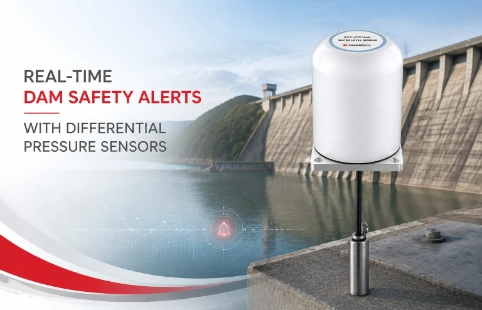
Real-Time Dam Safety Alerts with Differential Pressure Water Level Sensors
Key Takeaways An alert chain needs more than a sensor: define field in...

Earth Pressure Cells (VW & Smart Type) for Total Stress Monitoring
If you’ve ever watched a deep excavation slowly deform behind a row of struts, you know that the real action isn’t visible on the surface. It’s the horizontal stress building up silently in the soil. Kingmach’s earth pressure cells—offered in both traditional vibrating wire and newer smart configurations—are built to capture that invisible load. They stay buried for years under compacted fill, against tunnel linings, or behind concrete abutments, converting earth pressure into a signal that doesn’t lie. The VW version keeps things simple: a steel wire vibrates at a frequency that shifts with applied stress, easily read over long cables even in electrically noisy sites. The smart type skips the frequency step, sending direct pressure values over digital buses to your data logger. Both share rugged stainless steel bodies and can be ordered with mounting plates, grout pockets, or custom cable lengths, depending on how and where you need to embed them.
Technical Detail
Kingmach earth pressure cells cover two lines that match the way projects actually run. The vibrating wire (VW) design is a proven choice for remote or long‑cable installations. A tensioned wire inside the cell changes its resonant frequency under load; readout units interpret that frequency as stress using a calibration factor unique to each cell. Because the frequency signal is immune to cable resistance changes, you can run several hundred meters of cable without losing accuracy. A thermistor is typically included so that temperature effects can be compensated manually or via the readout. The smart cell, on the other hand, integrates a semiconductor sensor and small microcontroller. It outputs calibrated, temperature‑corrected pressure units directly to a digital bus such as RS‑485 or CAN. That saves time on‑site and removes the need for separate signal conversion. Both types measure total stress at the soil–structure interface or within soil masses. You typically specify the cell as a pair of flat plates welded around the sensor: one plate faces the soil, the other against the structure. For free‑field placement, a kidney‑shaped mounting frame keeps the cell oriented. Kingmach cells can be built in ranges from a few hundred kPa up to several MPa, with diameters between 150 and 300 mm, depending on the stiffness of the surrounding soil and the expected stress level. Customization covers plate thickness, cable entry protection, and anchoring provisions. Because the cells are passive once installed—no moving parts, no internal electronics in the VW case—they tend to survive long‑term burial in damp, chemically active ground when properly backfilled with sand or grout. Typical applications include monitoring stress evolution in embankment dams during construction, verifying design assumptions behind retaining walls, and tracking load transfer at pile‑cap interfaces. For smart cells, you get the option of real‑time alerts when stress crosses a threshold, which can be handy during staged excavation or surcharging.
News
Key Takeaways An alert chain needs more than a sensor: define field in...
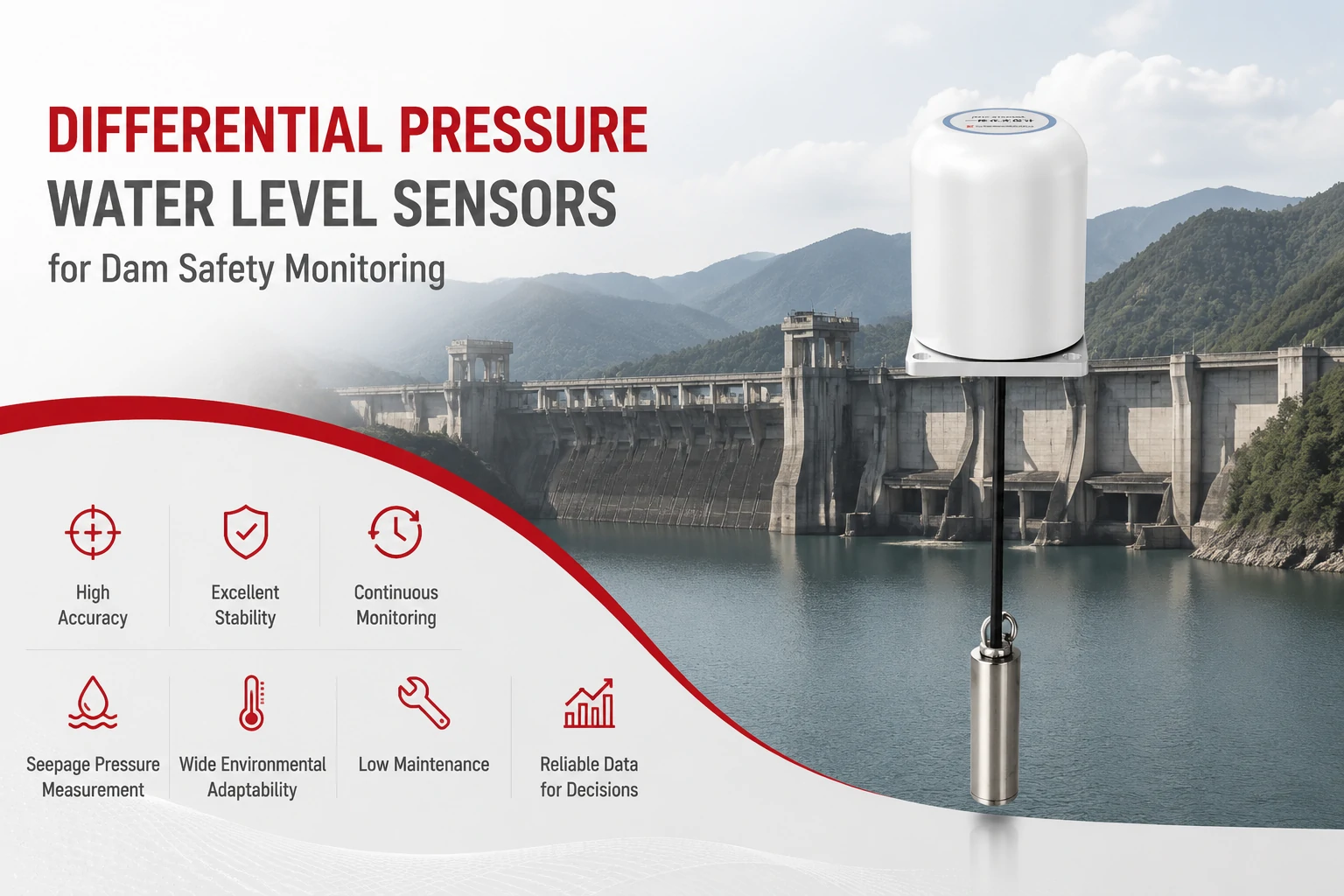
Key Takeaways The strongest fit is usually a confined, submerged, or s...
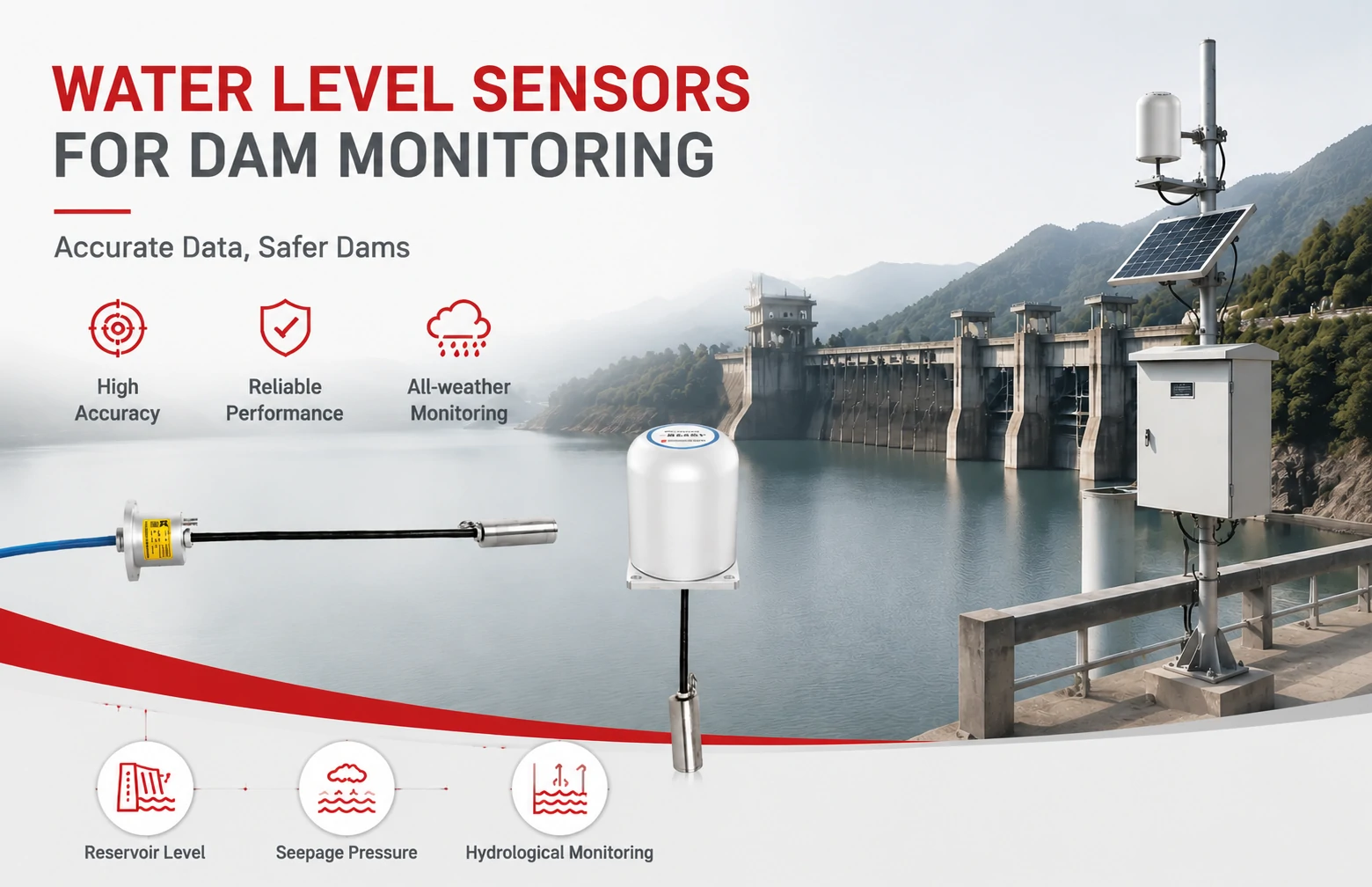
Kingmach Water Level Sensors for Dam Monitoring: A Buyer's Guide to Differential Pre...
Products
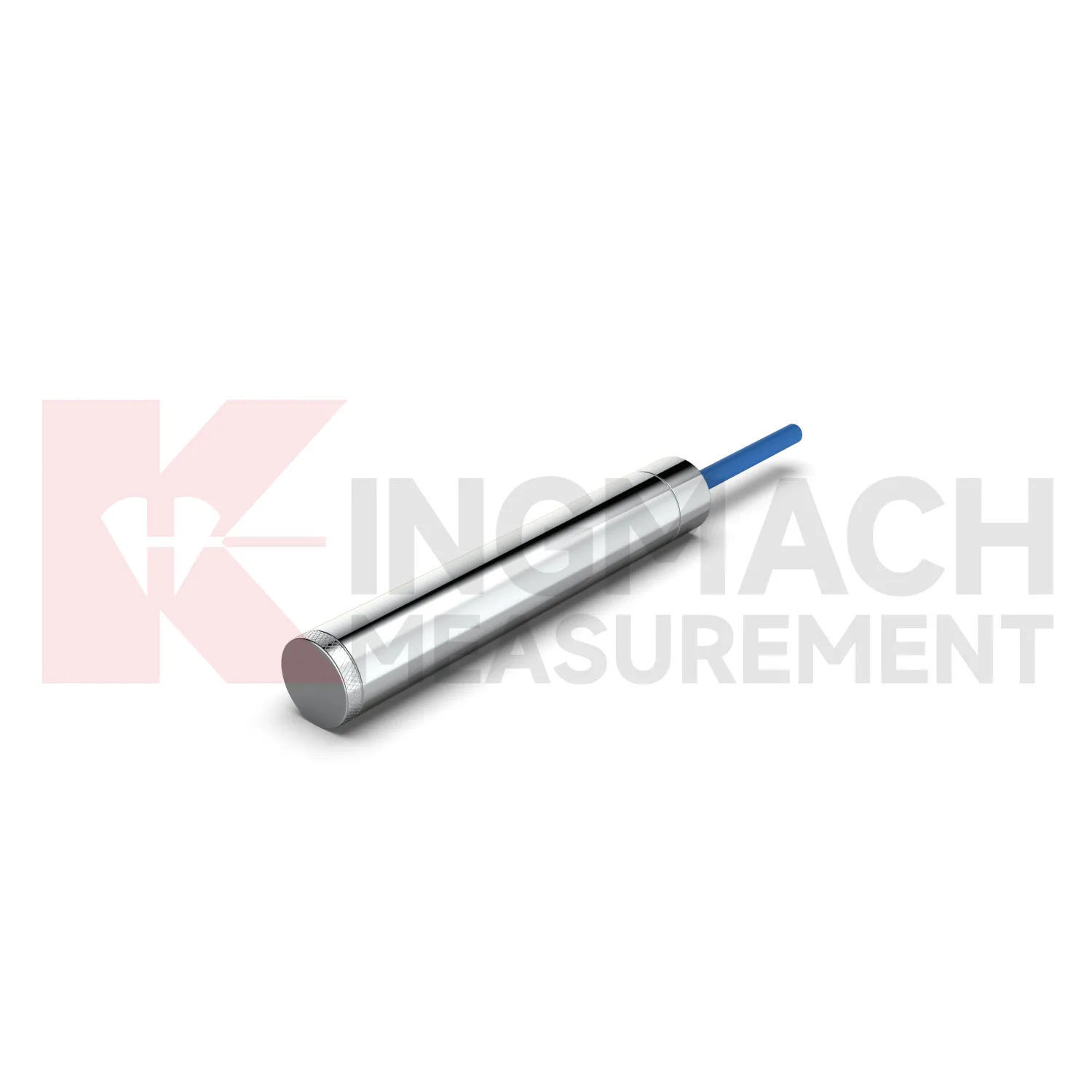
Smart Vibrating Wire PiezometerSmart Piezometers (VW) JMZX-55XXHAT
View Details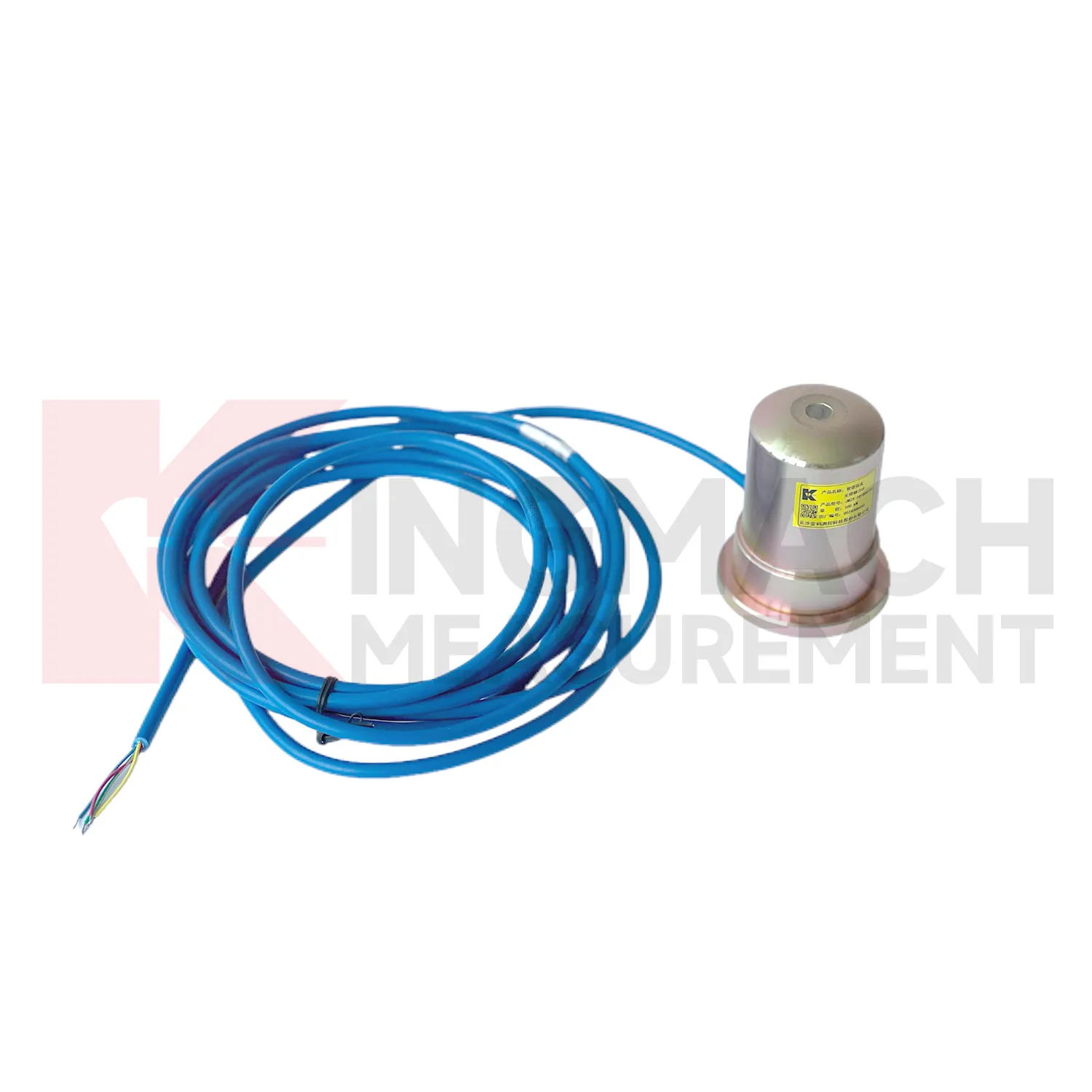
Smart Formwork Axial Force Meter(VW)JMZX-39XXHAT
View Details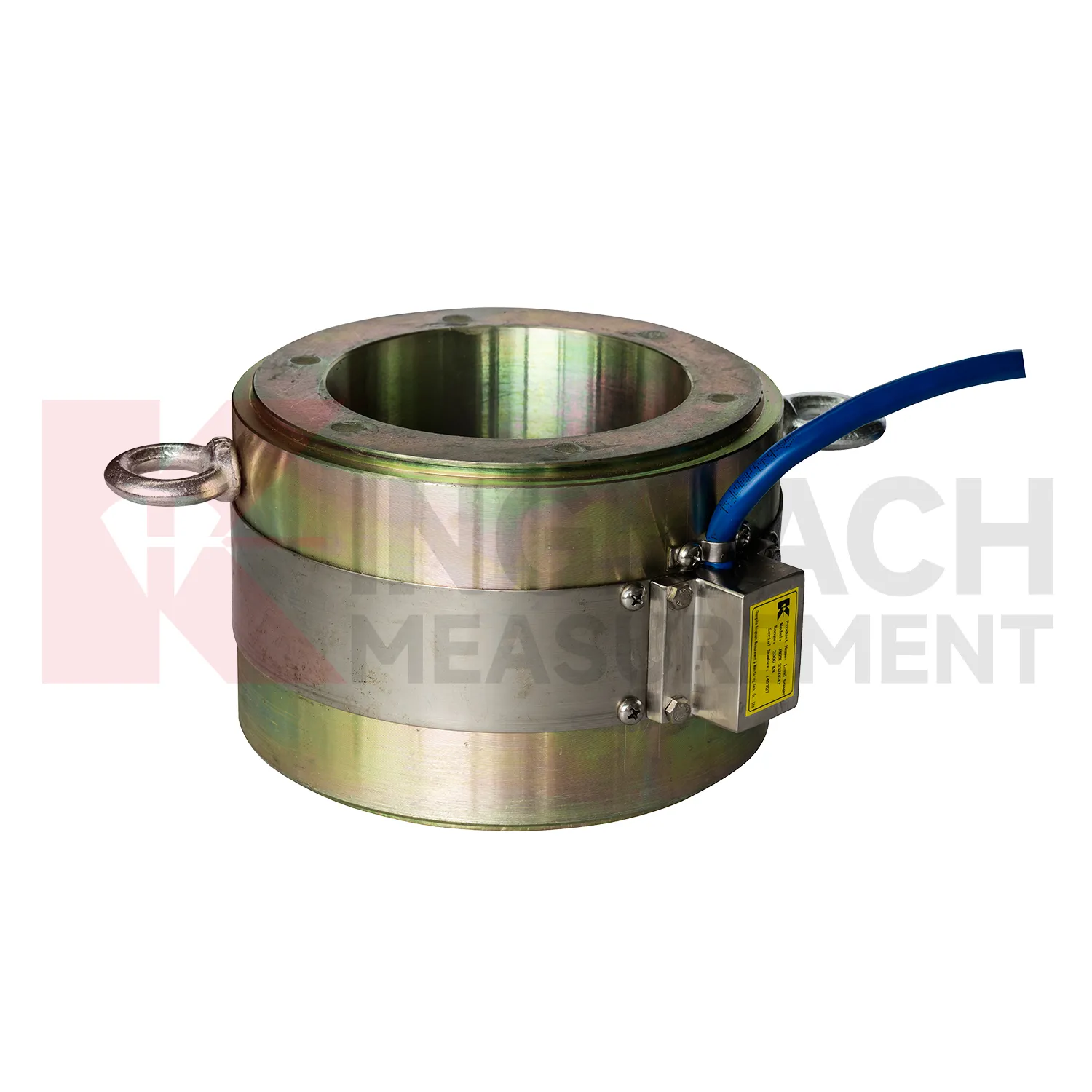
FAQ
A VW cell needs a portable readout or datalogger that excites the wire and counts frequency, then converts it to pressure using a calibration sheet. The smart cell does that conversion internally and talks directly to a monitoring system over a digital protocol, giving you pressure values without manual calculation. Smart cells simplify integration into SCADA or cloud‑based platforms if you already have a digital backbone.
Start with the expected overburden pressure plus any structural load. For shallow fill or behind basement walls, a 200–400 kPa range usually works. For deeper tunnels or high embankments you might need 1 MPa or more. It’s practical to go 20–30 % above the maximum design stress so the cell operates in its linear range but doesn’t get over‑ranged during construction surges. Kingmach can advise if you share the soil profile and design loads.
No—a standard earth pressure cell measures total stress, which includes both effective stress and pore water pressure. If you need to separate them, you typically pair the cell with a nearby piezometer. Some setups use a porous filter plate on the cell to allow water drainage, but that shifts the measurement toward effective stress and requires careful saturation. It’s easier to co‑locate separate instruments.
Because frequency isn’t attenuated by cable resistance, VW cells can reliably transmit over 1 km of shielded twisted‑pair cable, assuming proper splicing and moisture seals. The practical limit is more about cable handling and site logistics than the signal itself. For smart cells, the digital bus maximum depends on the protocol—typically 1,200 m for RS‑485 at lower baud rates.
Usually you embed the cell in a thin layer of sand or fine‑grained, non‑cohesive material to prevent point loads from stones. The cell should be placed with its sensing face parallel to the expected stress direction—horizontal for vertical stress, vertical for horizontal stress. Hand‑compacting the first lift around the cell and then switching to machine compaction after about 300 mm of cover gives a good compromise between protection and representative stiffness. A piece of plywood over the cell during the first pass helps spread the load.
Share your product type, target capacity, and application requirements. Our team can review the details and recommend a practical next step.
If you are interested in our products or want to become our partner.
Please leave your contact information, our team will contact you as soon as possible.
Mail: [email protected]
Contact Us: +8613808434127
Address: No. 188 Tongzipo West Rd, Changsha, Hunan, China