
 EN
 ar
 bg
 hr
 cs
 da
 nl
 fi
 fr
 de
 el
 hi
 it
 ko
 no
 pl
 pt
 ro
 ru
 es
 sv
 tl
 iw
 id
 lv
 lt
 sr
 sk
 sl
 uk
 vi
 et
 hu
 th
 tr
 fa
 ms
 hy
 ka
 ur
 bn
 mn
 ta
 kk
 uz
 ku
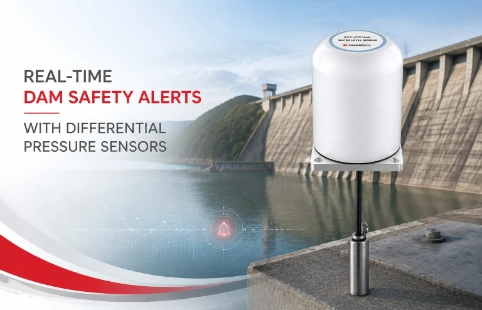
Real-Time Dam Safety Alerts with Differential Pressure Water Level Sensors
Key Takeaways An alert chain needs more than a sensor: define field in...

Smart Multipoint Displacement Meter – Catch Ground Movement Early
Ground shifts. It always does. The trick is knowing how much, and where. A Smart Multipoint Displacement Meter lets you track subsurface movement at several depths from a single borehole. Instead of guessing whether that crack is just surface settlement or something deeper, you get readings from fixed anchors spaced along the hole. Kingmach has been making these meters for years—straightforward designs that don’t need a specialist to install, and enough configuration options that you’re not stuck with a one-size-fits-all unit.
Technical Detail
Most jobsites use multipoint displacement meters in tunnels, dam abutments, or deep excavations where a single-point extensometer doesn’t tell the whole story. The meter head sits at the borehole collar, and anchors are grouted at set depths. As the ground moves, it pushes or pulls rods (or wires) running up to the head—each anchor’s movement is recorded independently. Kingmach builds both rod and wire types depending on whether you’re drilling vertical, inclined, or up into a roof. Typical setups handle 2 to 6 anchors, but we’ve done more when the geology called for it. Sensors are usually linear potentiometric transducers, though you can spec digital output if your data system prefers it. The body is weather-sealed for outdoor use in wet or dusty conditions, and the mounting bracket fits a standard 76 mm casing. Because every project has its own anchor spacing, cable length, or signal requirement, customization is standard procedure here. Our team will walk through the specs with you, and after shipment, we stay on the line until your first readings look right.
News
Key Takeaways An alert chain needs more than a sensor: define field in...
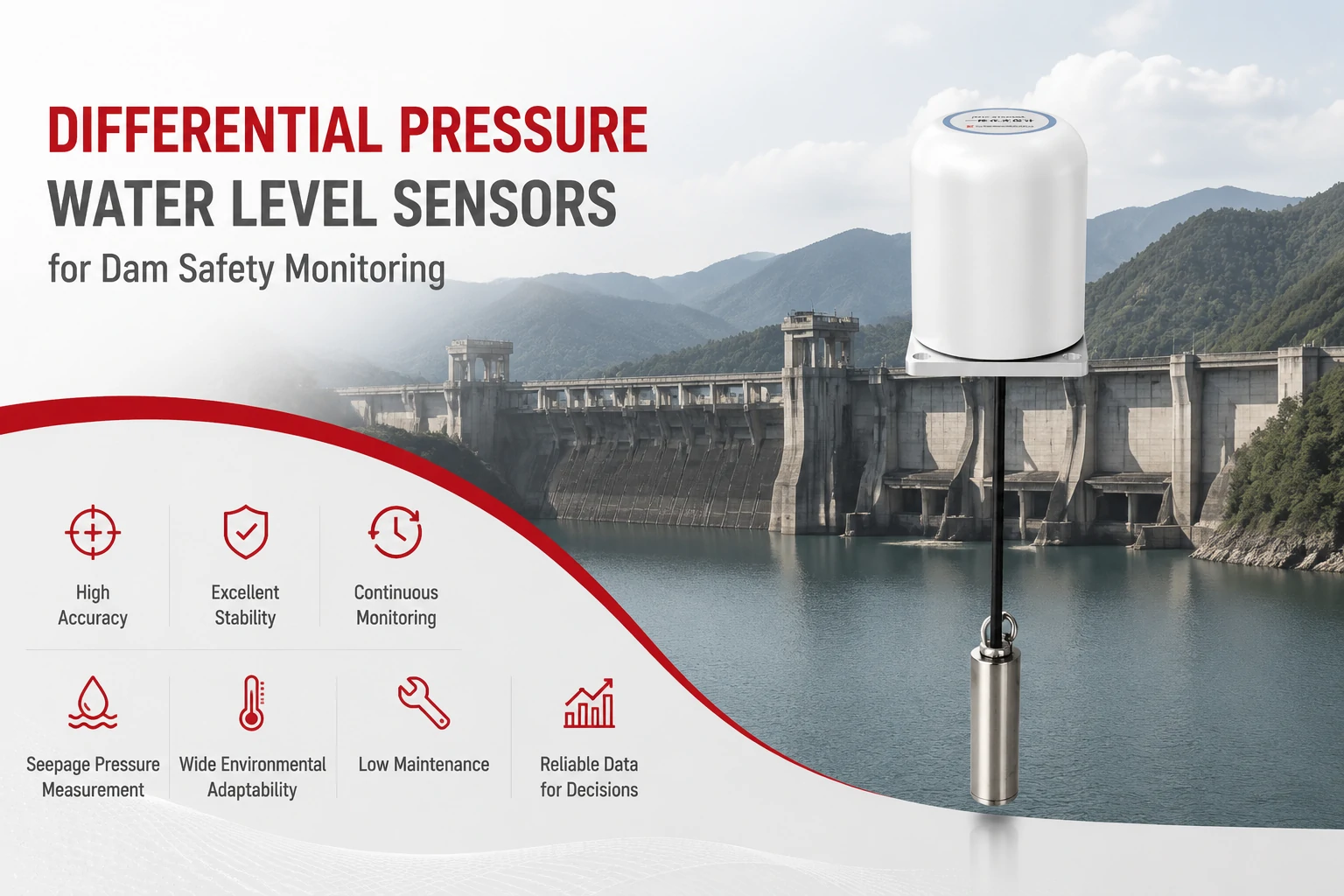
Key Takeaways The strongest fit is usually a confined, submerged, or s...
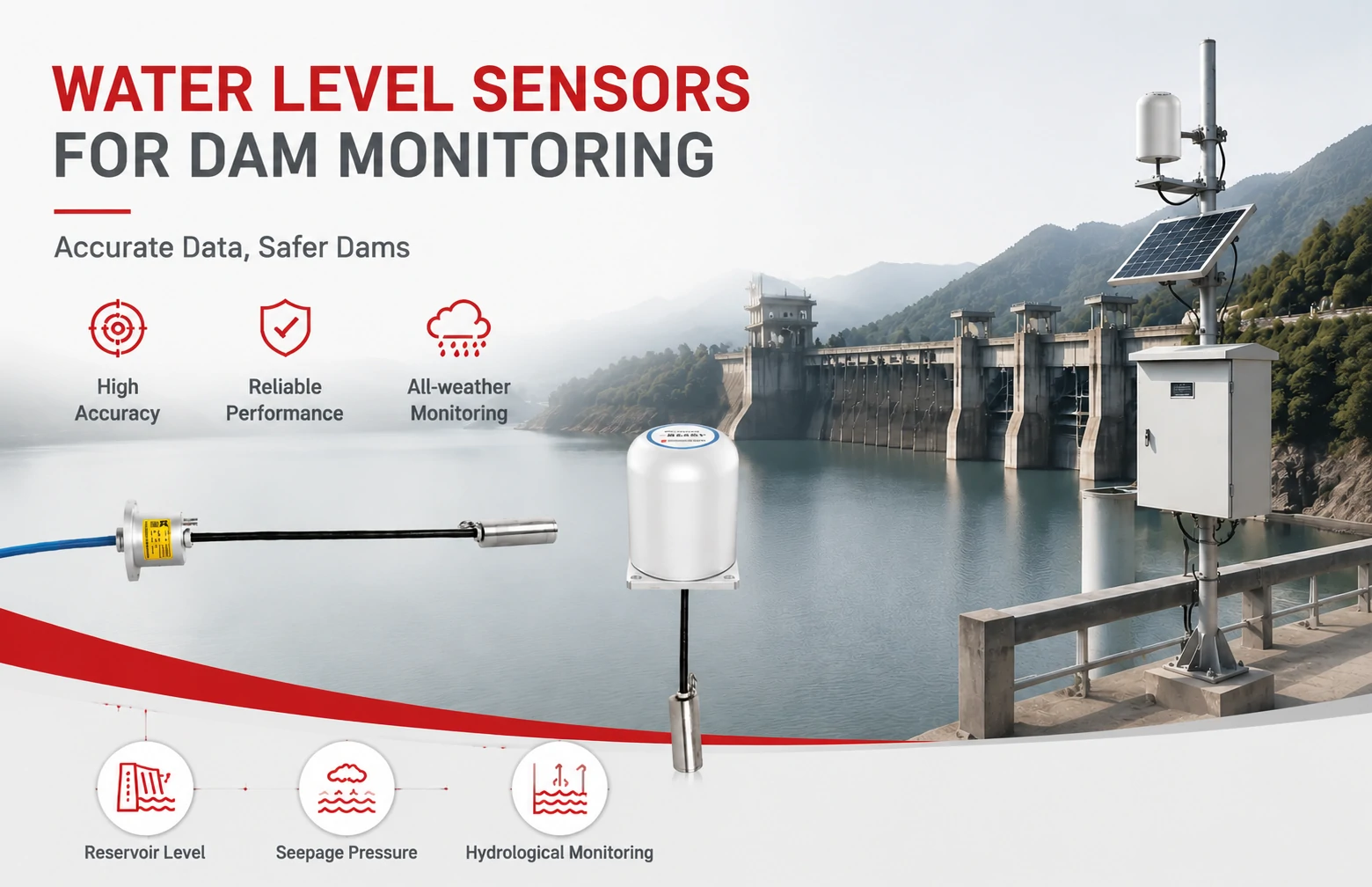
Kingmach Water Level Sensors for Dam Monitoring: A Buyer's Guide to Differential Pre...
Products
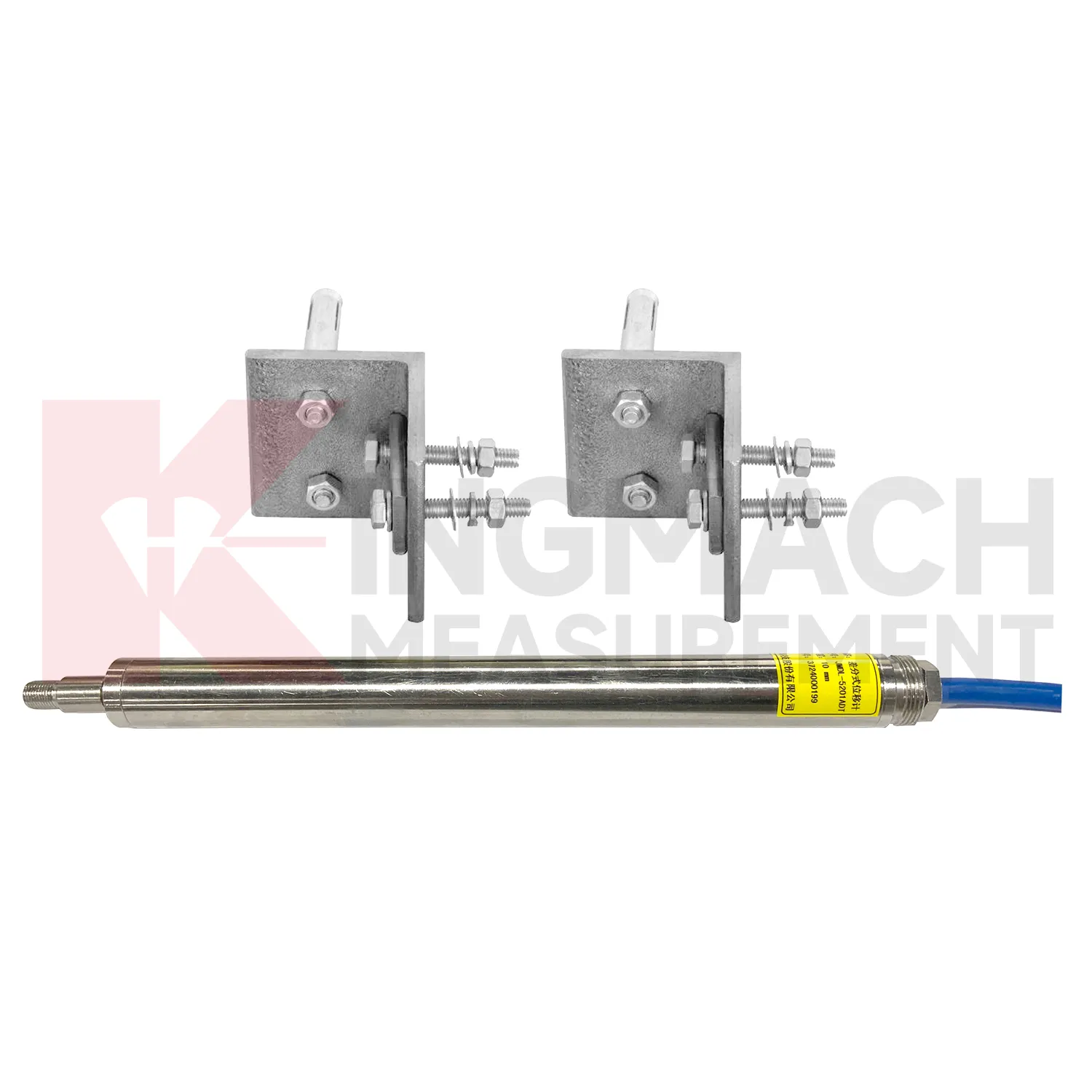
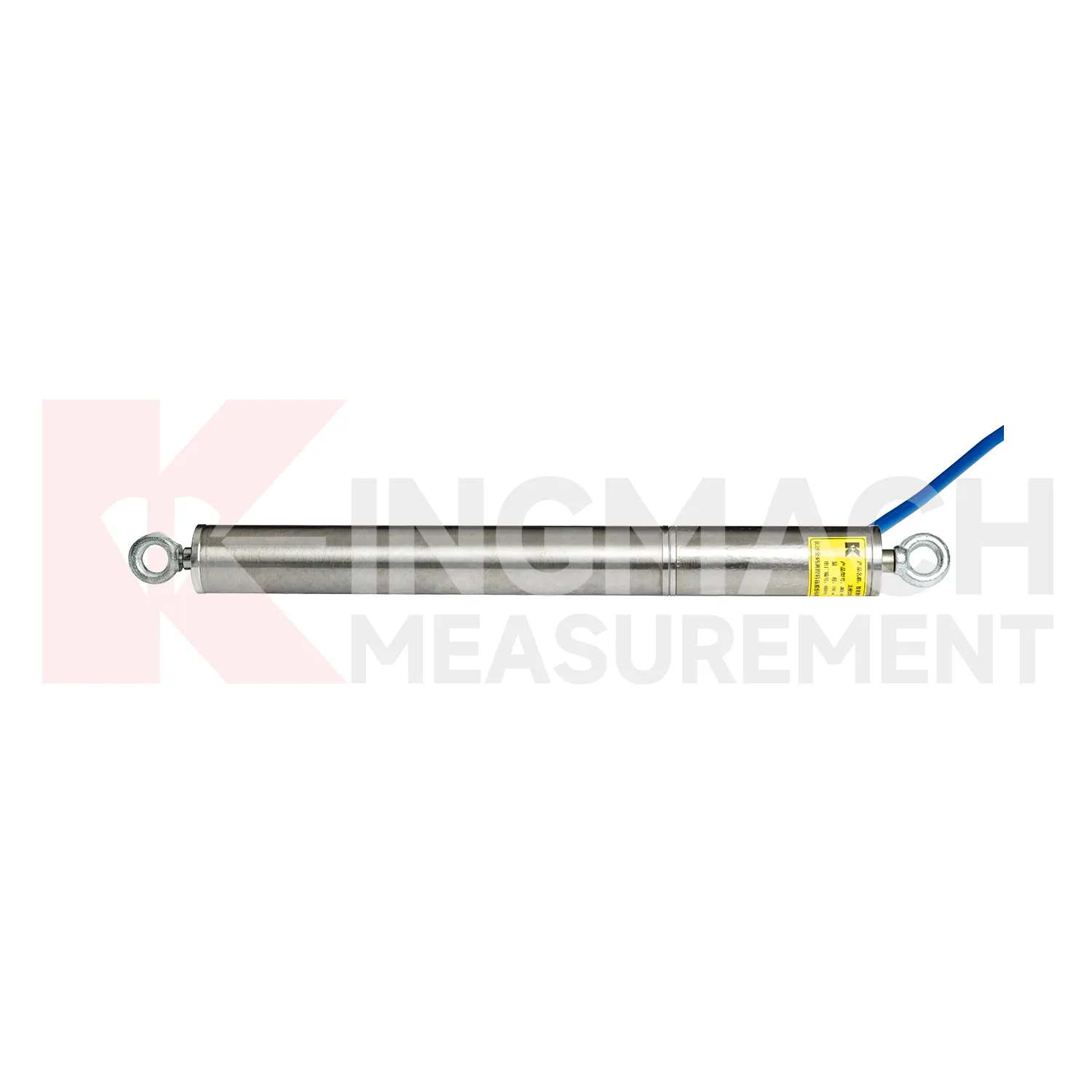
Smart Formwork Displacement Meter/ Steel Wire Displacement Meter JMDL-49XXAT
View Details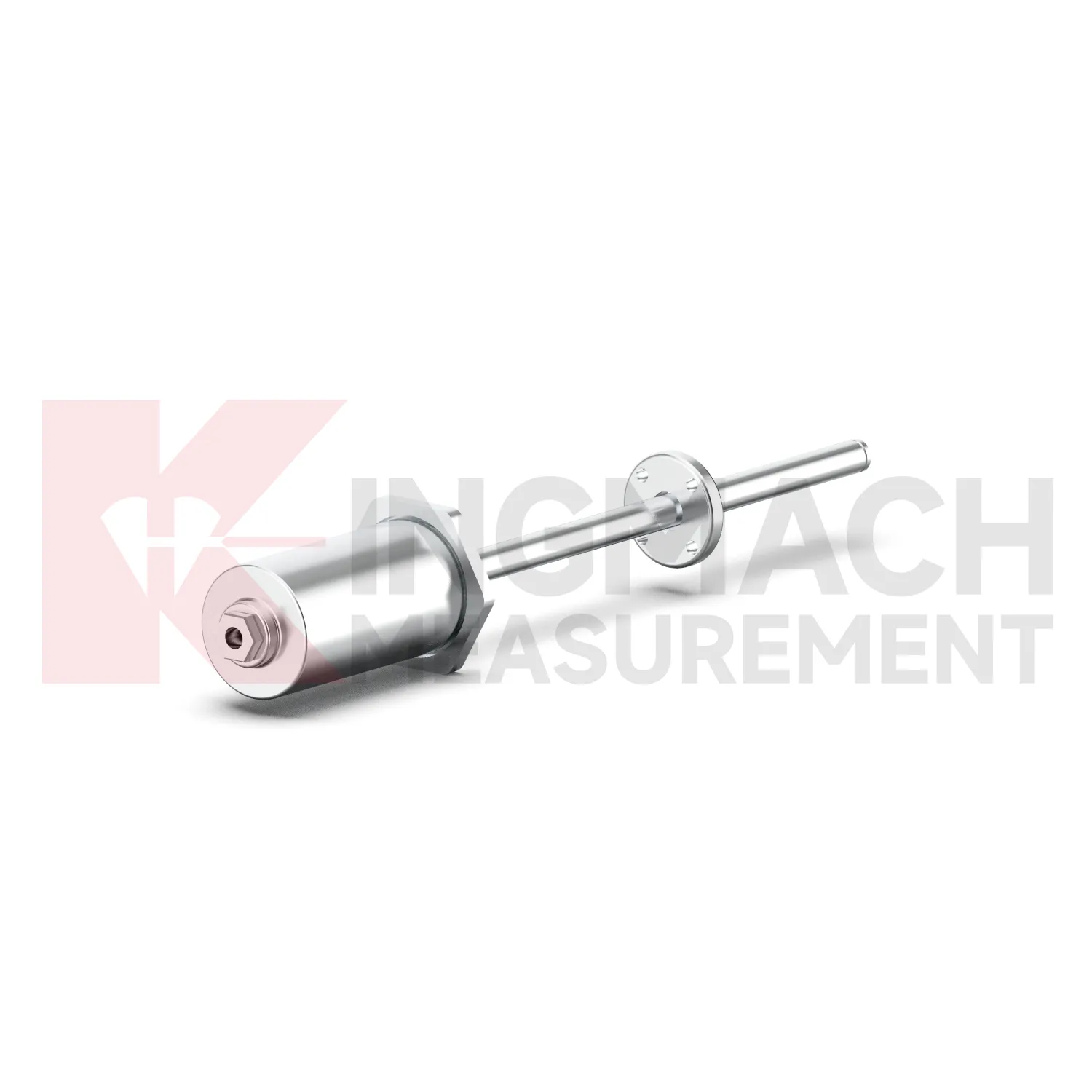
Magnetostrictive Displacement Meter JMCW-21XXADT
View DetailsFAQ
Rod type works best in vertical boreholes where the anchors don’t have to go around corners. Wire type is more flexible—you can use it in inclined holes or when you need to bend around obstacles. Both give equivalent accuracy, so it’s really about the borehole layout.
Most units ship with potentiometric sensors that give a resistance change proportional to displacement—easy to read with common dataloggers. If you need 4–20 mA, 0–5 V, or a digital RS485 signal, we can swap the sensor during assembly.
The meter head is usually built to a fixed channel count from the start. You can order a spare channel or two if you think you might expand, but retrofitting extra anchors into an installed meter is tricky. We often recommend ordering one channel more than you think you’ll need.
Each rod or wire runs inside its own protective sheath, and the anchors are grouted in sequence from the bottom up. If the borehole is straight and the installation crew follows the sequence, binding is rare. For deep or angled holes, we can supply centralizers to keep everything aligned during grouting.
The sensor head has an O-ring seal that should be inspected once a year if the site is harsh. Moving parts are minimal—basically just the rod guides and the potentiometer shaft. If readings drift, it’s usually a cabling issue rather than the meter itself, so check your junction box first.
Share your product type, target capacity, and application requirements. Our team can review the details and recommend a practical next step.
Related Keywords
If you are interested in our products or want to become our partner.
Please leave your contact information, our team will contact you as soon as possible.
Mail: [email protected]
Contact Us: +8613808434127
Address: No. 188 Tongzipo West Rd, Changsha, Hunan, China