
 EN
 ar
 bg
 hr
 cs
 da
 nl
 fi
 fr
 de
 el
 hi
 it
 ko
 no
 pl
 pt
 ro
 ru
 es
 sv
 tl
 iw
 id
 lv
 lt
 sr
 sk
 sl
 uk
 vi
 et
 hu
 th
 tr
 fa
 ms
 hy
 ka
 ur
 bn
 mn
 ta
 kk
 uz
 ku
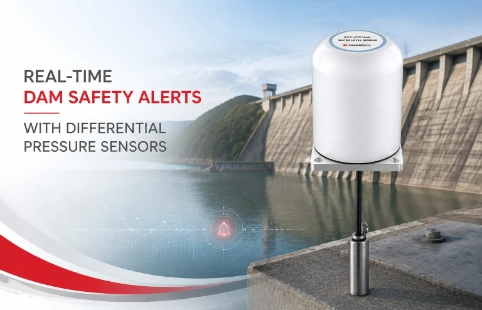
Real-Time Dam Safety Alerts with Differential Pressure Water Level Sensors
Key Takeaways An alert chain needs more than a sensor: define field in...

Strain Gauge Sensor Types in Geotechnical Monitoring
Selecting the right strain gauge sensor type often starts with understanding what’s being measured—whether it’s strain on a concrete pile, inside a rock bolt, or across a steel beam. The decision usually boils down to factors like base material, installation method, and the kind of data you need. Kingmach supplies a range of strain gauge sensors suited to different site conditions, drawing from years of experience in geotechnical and structural monitoring. Rather than pushing a one-size-fits-all solution, the focus is on matching the instrument to the job. Common strain gauge sensor types include electrical resistance strain gauges, which are widely used for general-purpose short-term tests; vibrating wire strain gauges, favored for long-term geotechnical applications due to their stability; and fiber optic strain gauges, which offer immunity to electromagnetic interference. Each type brings its own set of trade-offs in sensitivity, durability, and ease of installation. Kingmach’s portfolio covers these categories, with options for surface mounting, embedment in concrete, or attachment to steel members. By working closely with project engineers, the team helps narrow down the selection to a sensor that will deliver reliable data without unnecessary complexity.
Technical Detail
When you look at strain gauge sensor types, the choice really depends on the application. For tunneling and deep excavation work, vibrating wire strain gauges from Kingmach are often selected because the output signal can travel long cable runs without degradation—something electrical resistance types struggle with. These vibrating wire units typically use a tensioned steel wire inside a protective housing, and the frequency change is proportional to strain. That principle gives them great long-term zero stability, which matters when you’re monitoring a dam or bridge for years. On the other hand, electrical resistance strain gauges are still hard to beat when you need fast dynamic measurements, like on a load test. Kingmach supplies both metal foil and semiconductor resistance strain gauges, with the latter offering higher sensitivity for small strain changes. For new concrete constructions, embedment strain gauges with flanges can be cast directly into the pour, while spot-weld and arc-weld gauges are used on existing steel structures. Many Kingmach sensors come with built-in thermistors to allow temperature correction, and the housings are usually rated IP68 for submersion or harsh environments. The company also offers arc-weldable gauges with pre-attached shims that make field installation quicker—just a few spot welds and you’re done. This range of strain gauge sensor types ensures that whatever the monitoring plan calls for, there’s a practical option without overspending on features you won’t need. Technical support is part of the package, so if the standard catalog doesn’t fit, customized versions for specific bridge or tunnel projects are a common request.
News
Key Takeaways An alert chain needs more than a sensor: define field in...
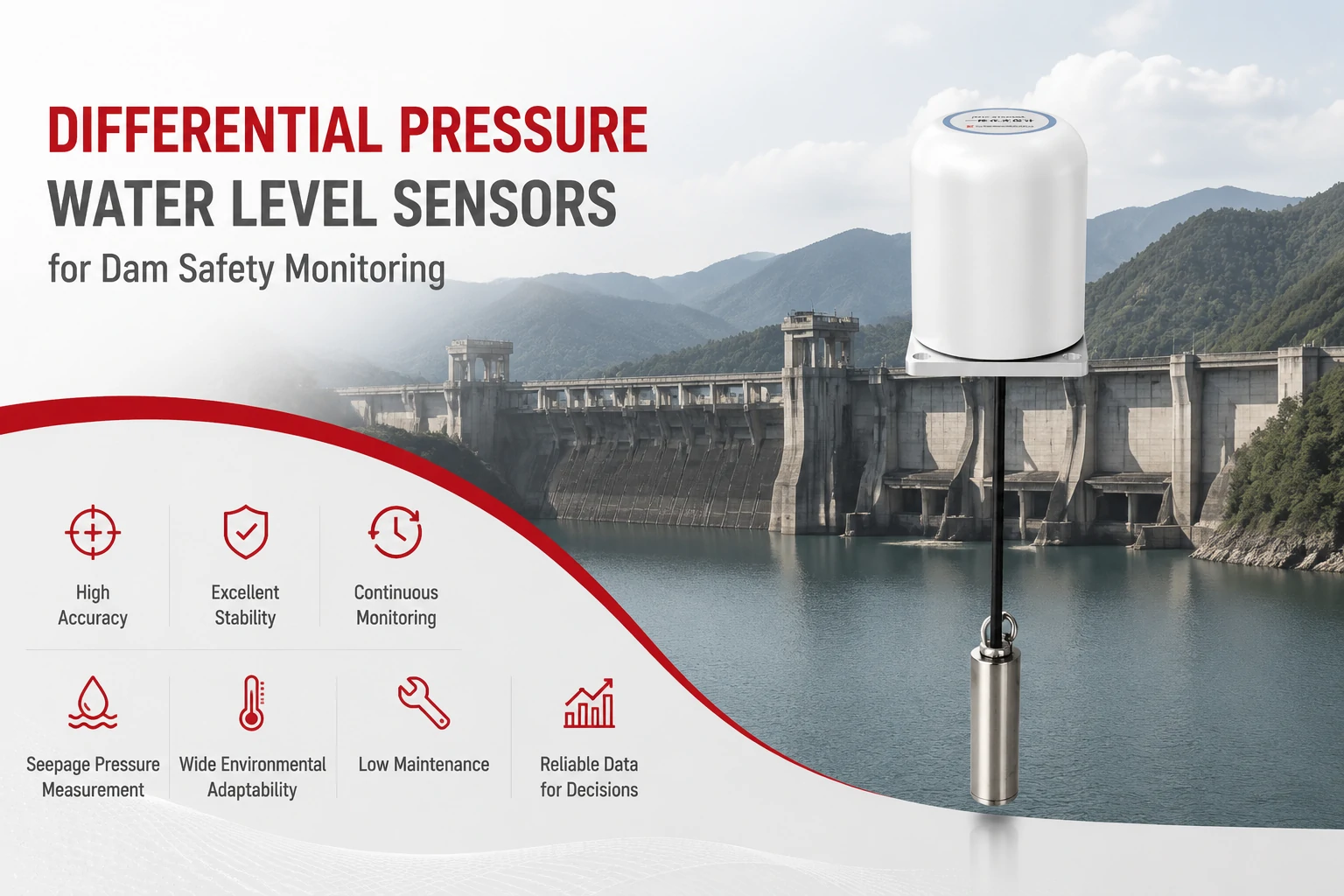
Key Takeaways The strongest fit is usually a confined, submerged, or s...
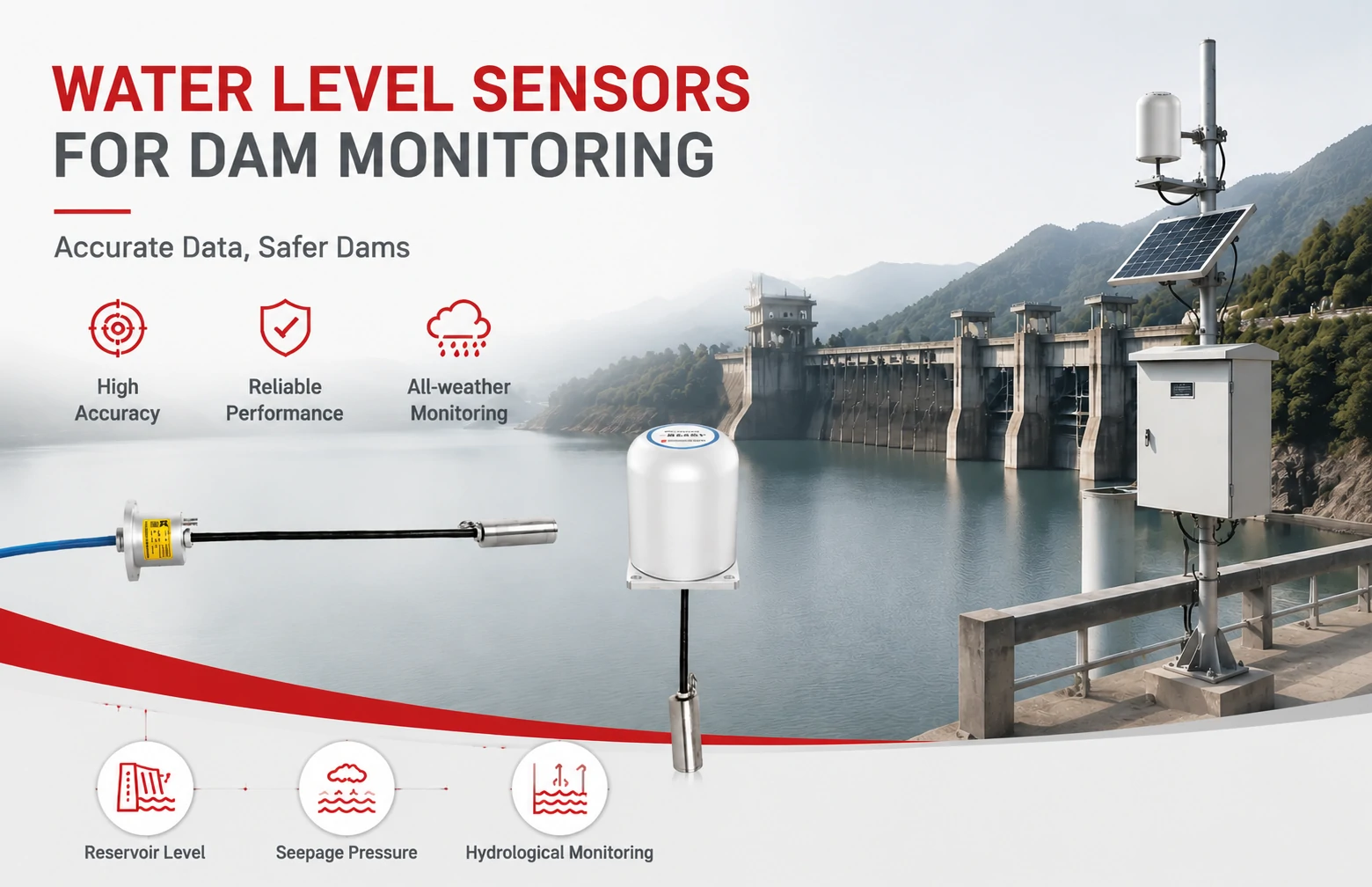
Kingmach Water Level Sensors for Dam Monitoring: A Buyer's Guide to Differential Pre...
Products
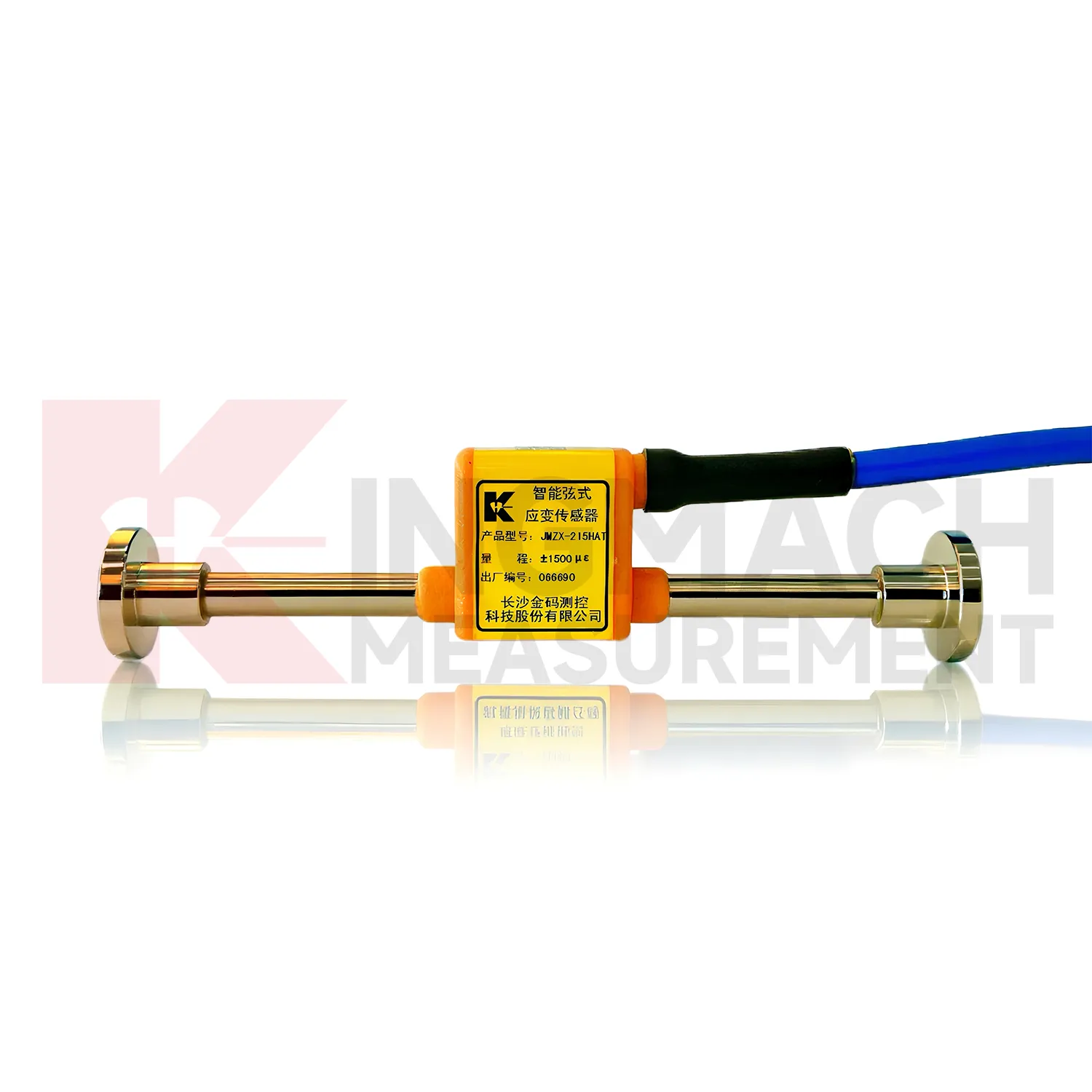
Smart vibrating wire strain gauge (embedment model) JMZX-215HA/215HAT/HB
View Details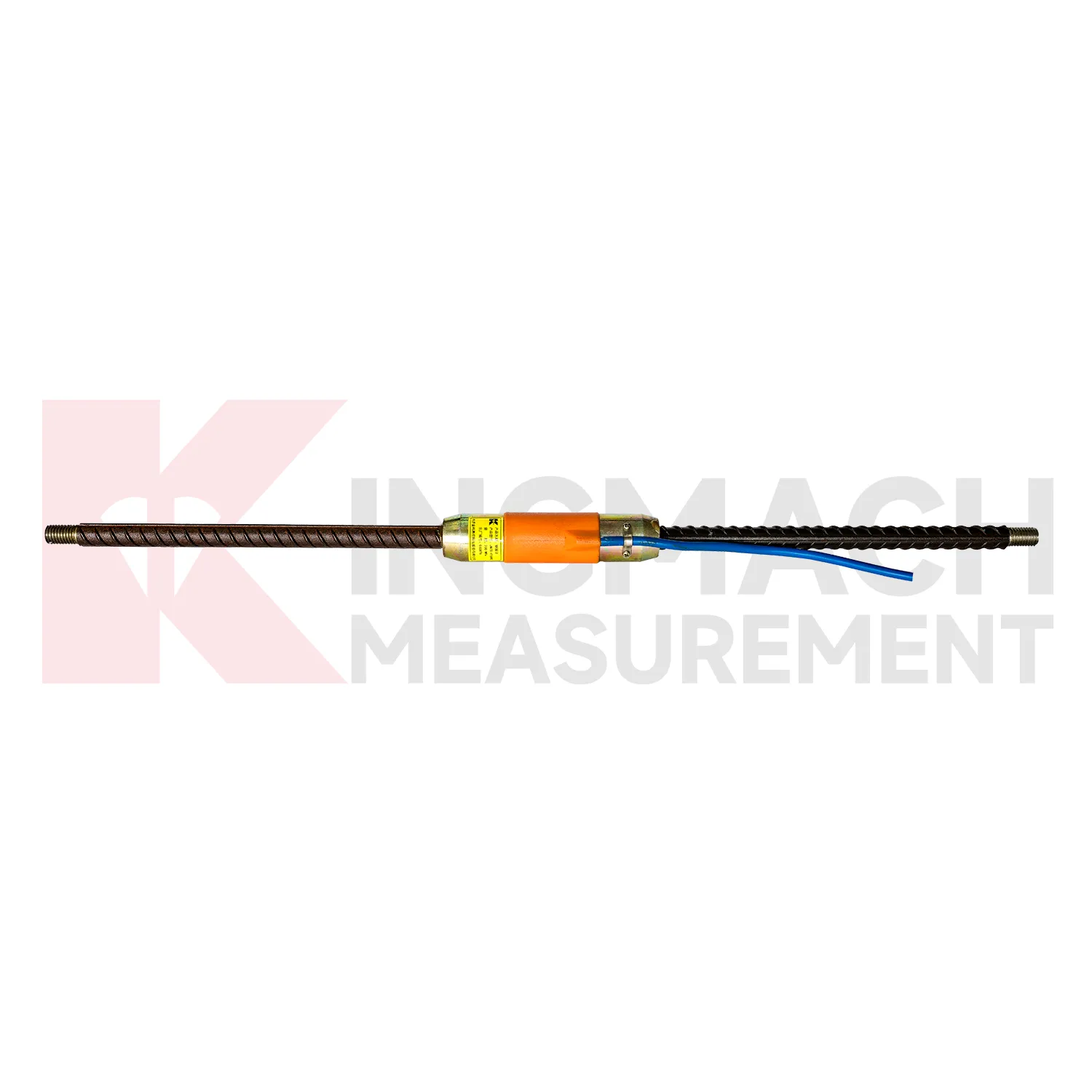
Rebar Strainmeters ( VW & Smart Type) JMZX-4XXHAT/HB
View Details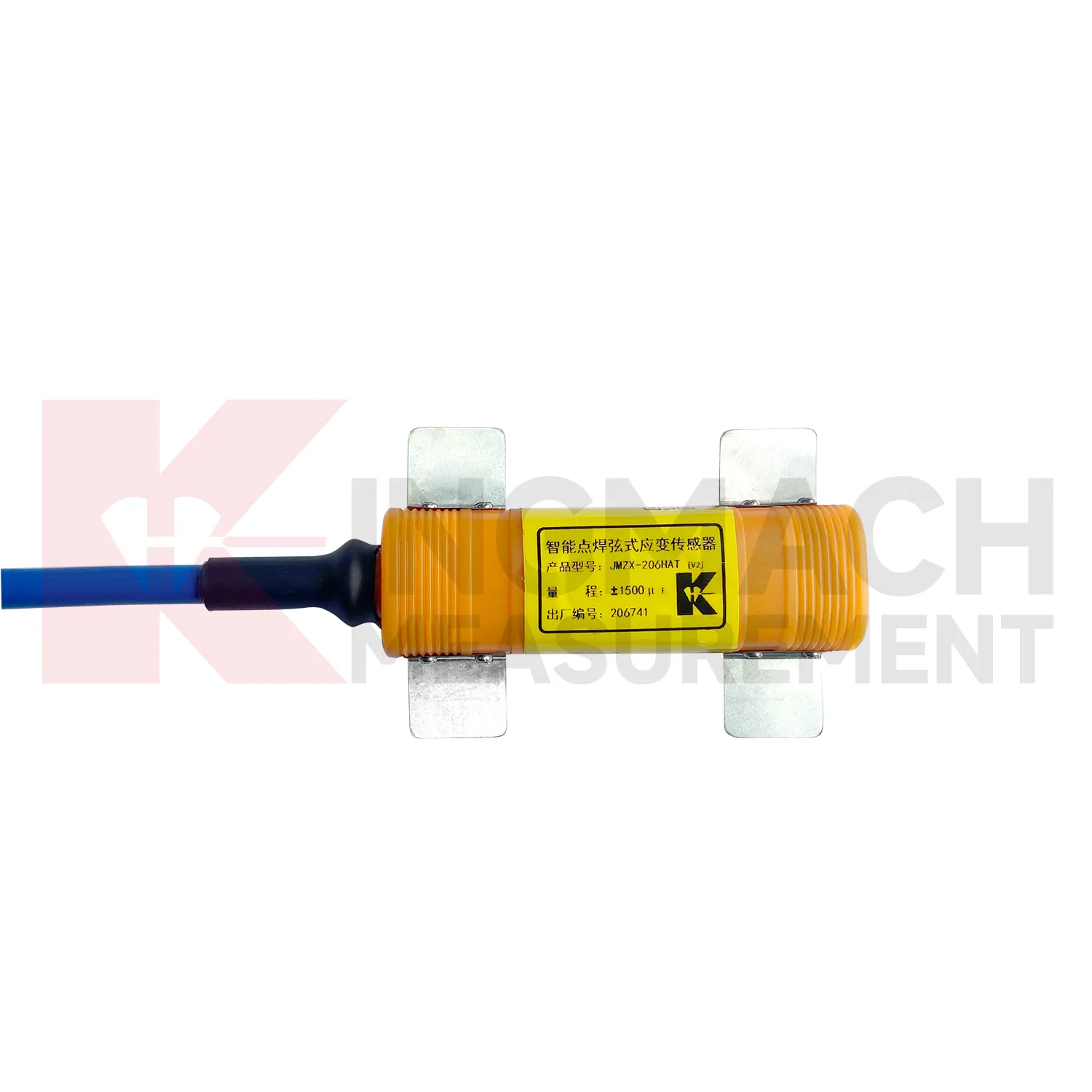
Smart vibrating wire strain gauge (surface welded model) JMZX-206HAT
View DetailsFAQ
Electrical resistance strain gauges measure strain by the change in electrical resistance of a foil or wire when stretched. They’re great for dynamic measurements but can be affected by long cable lengths and moisture. Vibrating wire gauges, by contrast, measure the frequency change of a tensioned wire—this signal isn’t lost over distance and is less susceptible to wiring issues, so they’re preferred for long-term geotechnical monitoring. Kingmach stocks both types, and the choice often comes down to whether you need fast sampling or multi-year stability.
Yes, but it depends on the surface. For concrete, you’d typically use surface-mount strain gauges with a suitable adhesive or mechanical anchors. If the concrete is old or rough, the surface may need preparation—grinding smooth and cleaning. Kingmach provides installation guidelines and accessories like protective coatings and mounting brackets. For a more integrated measurement, you might also drill and embed a vibrating wire strain gauge with grout, though that’s more intrusive.
Vibrating wire strain gauges need a readout unit that can measure frequency, like Kingmach’s VW-102 handheld or a datalogger with vibrating wire channels. Electrical resistance gauges usually connect to a standard strain indicator or bridge box. We can supply the full chain—sensor, cable, readout, and datalogger—so you don’t end up with compatibility headaches. Most of our dataloggers support both types and can handle temperature compensation automatically if the gauge has a thermistor.
Share your product type, target capacity, and application requirements. Our team can review the details and recommend a practical next step.
If you are interested in our products or want to become our partner.
Please leave your contact information, our team will contact you as soon as possible.
Mail: [email protected]
Contact Us: +8613808434127
Address: No. 188 Tongzipo West Rd, Changsha, Hunan, China