
 EN
EN
 ar
ar bg
bg hr
hr cs
cs da
da nl
nl fi
fi fr
fr de
de el
el hi
hi it
it ko
ko no
no pl
pl pt
pt ro
ro ru
ru es
es sv
sv tl
tl iw
iw id
id lv
lv lt
lt sr
sr sk
sk sl
sl uk
uk vi
vi et
et hu
hu th
th tr
tr fa
fa ms
ms hy
hy ka
ka ur
ur bn
bn mn
mn ta
ta kk
kk uz
uz ku
ku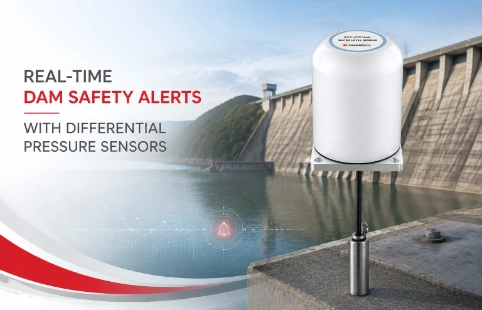
Real-Time Dam Safety Alerts with Differential Pressure Water Level Sensors
Key Takeaways An alert chain needs more than a sensor: define field in...

Reliable 0.2 mm Resolution Tipping Bucket Rain Gauge
Most weather stations and hydrology projects settle for rain data that’s “good enough.” The tipping bucket gauge with 0.2 mm resolution hits that practical sweet spot—fine enough for continuous monitoring but rugged enough to avoid the drift that plagues finer instruments. Kingmach builds these sensors around a simple double-bucket mechanism that has changed little in decades, not because it’s outdated, but because it works. The catch funnel, pivot assembly, and reed switch are housed in a weatherproof body meant to sit in a field for seasons with minimal attention. Technicians who install them appreciate not having to baby the gear. When we say “standard,” we mean it aligns with the resolution most national meteorological services specify for operational networks. That matters when your data needs to blend into a larger monitoring system without recalibration gymnastics.
Technical Detail
Kingmach’s tipping bucket rain gauge is built around a dual-compartment bucket that tips with each 0.2 mm of collected rainfall. The bucket is supported by a hardened steel pivot and a permanent magnet triggers a sealed reed switch with each tip—no contact wear, no drift from dust or humidity. The housing combines anodized aluminum and UV-stabilized polymer, while the collecting funnel includes a debris screen to keep leaves and insects out. In coastal or heavily polluted sites, we can swap in alternative fasteners and gasket materials without re-engineering the whole unit. The standard output is a simple pulse signal: one closure per tip, which any datalogger can count. For users who need Modbus, SDI-12, or 4–20 mA integration, the electronics module can be configured at the factory instead of forcing external signal converters. The gauge ships with a factory calibration certificate and a mounting bracket that fits either a pole or a flat surface. In terms of installation, the leveling screws and bubble indicator are deliberately oversized so you don’t need a separate leveling plate in most setups. Technicians who maintain these in the field often point out that the tipping mechanism is accessible by removing just four bolts, so cleaning and inspection can happen without moving the whole mast. Because Kingmach is a manufacturer, not a reseller, we can adapt the gauge to site requirements: extended funnels for snow, heating elements for freezing conditions, or specific output protocols for integration with existing monitoring networks. Lead times for standard configurations are typically short, and technical support covers everything from wiring diagrams to site selection advice.
News
Key Takeaways An alert chain needs more than a sensor: define field in...
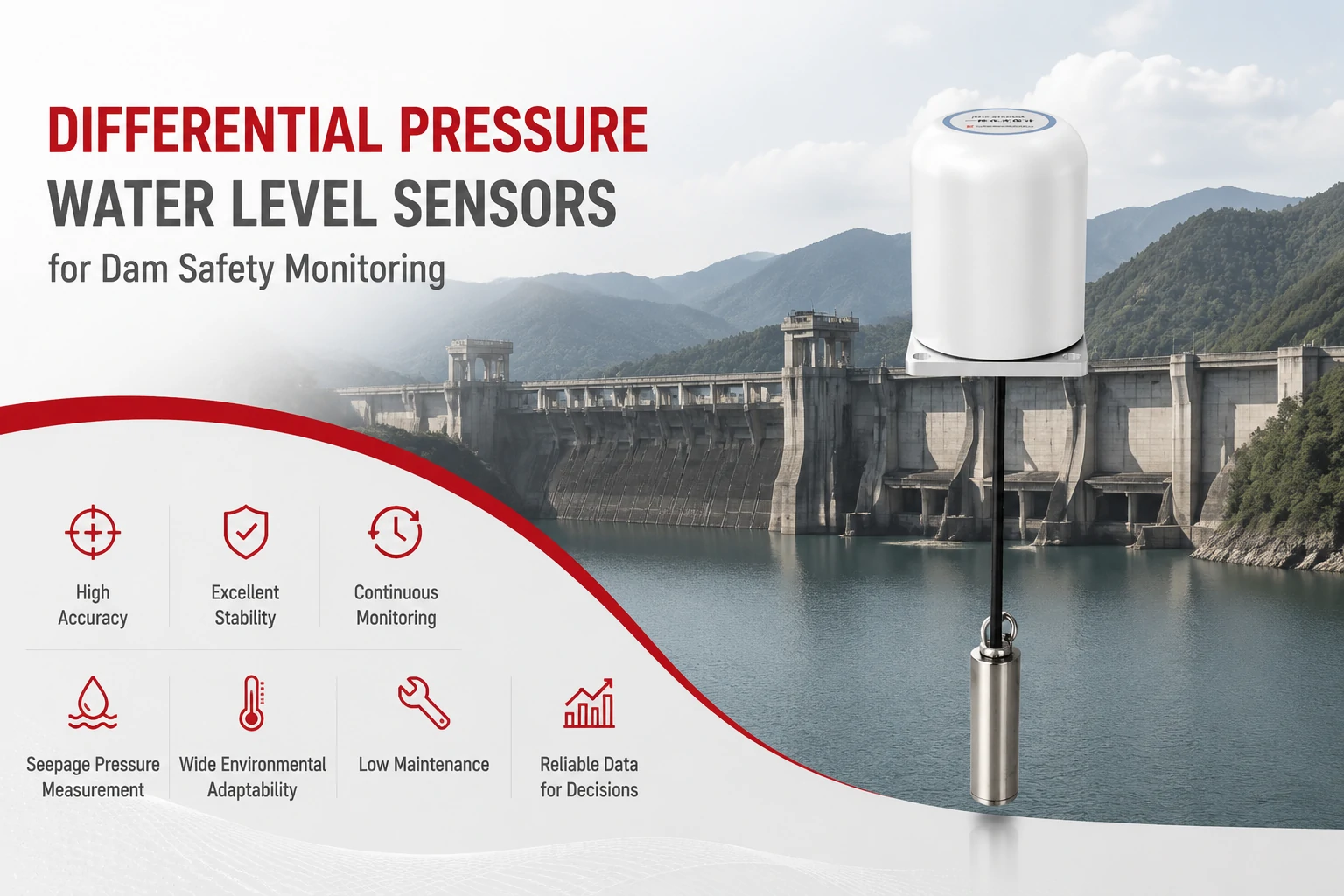
Key Takeaways The strongest fit is usually a confined, submerged, or s...
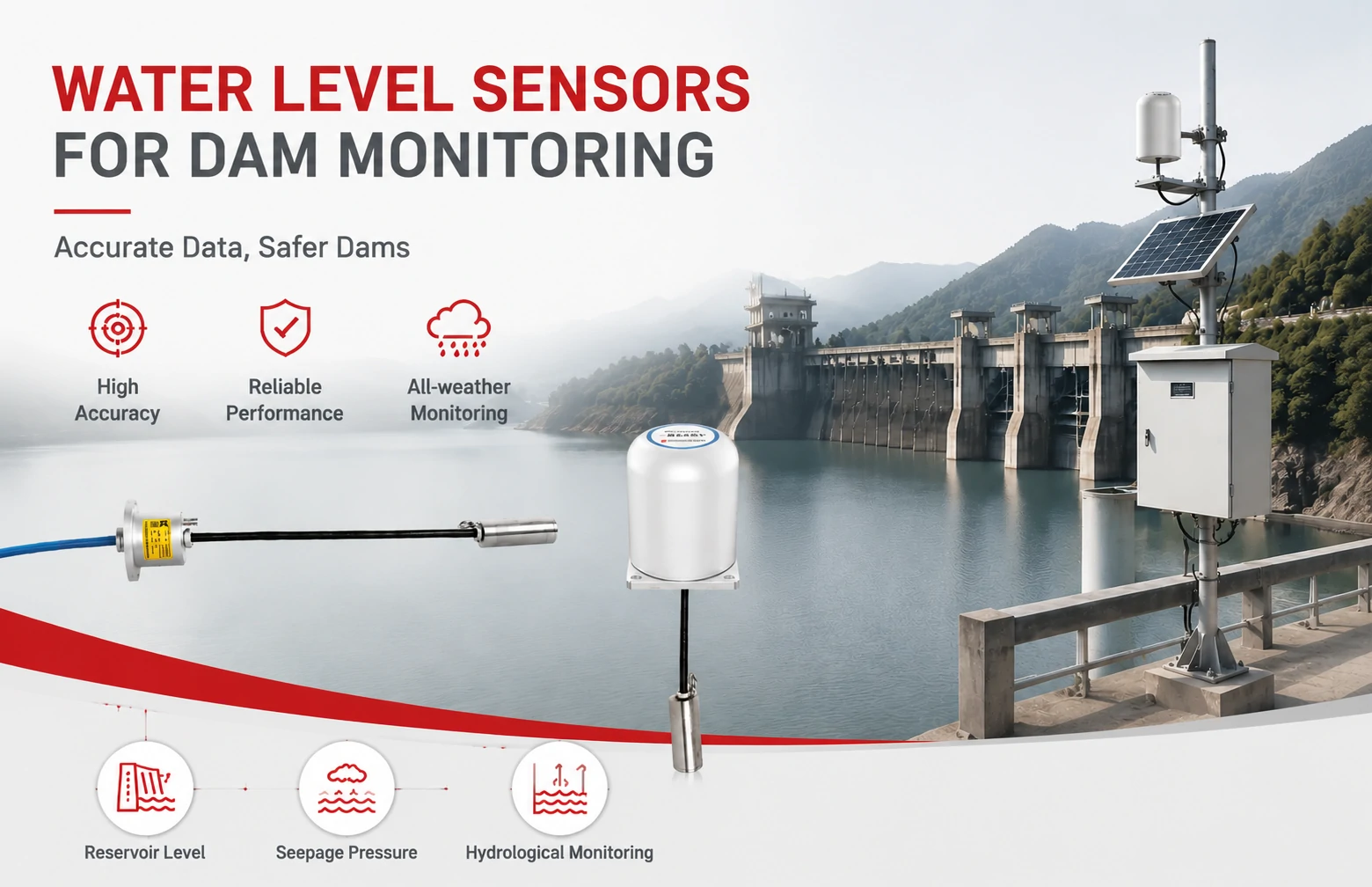
Kingmach Water Level Sensors for Dam Monitoring: A Buyer's Guide to Differential Pre...
Products
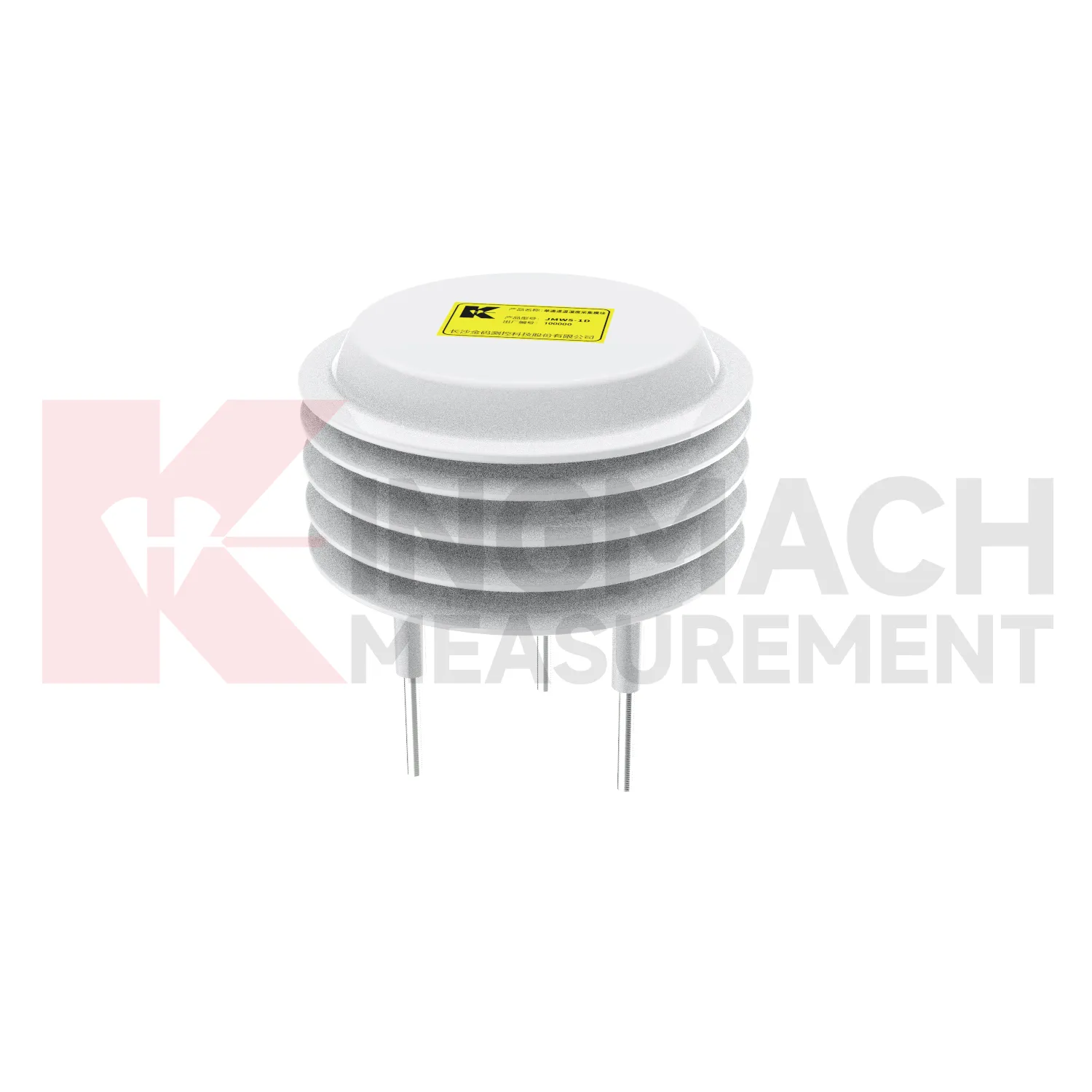
Single-Channel Temperature and Humidity Acquisition Module JMWS-1D
View Details
FAQ
For operational meteorology and most hydrology projects, 0.2 mm is the workhorse standard. Finer resolutions like 0.1 mm require more sensitive mechanisms that can false-tip in wind or heavy rain. Unless you are studying splash erosion or fog interception at a research site, the additional resolution usually adds cost without meaningful gain in data quality.
We calibrate each unit with a known flow rate and issue a certificate. In the field, if the gauge is sheltered from excessive bird droppings and debris, annual cleaning is often enough. The mechanism is accessible without tools beyond a wrench, and recalibration typically means confirming the tip volume with a standard graduated cylinder—no special equipment required.
The standard body handles intermittent frost, but for sites with sustained freezing conditions we recommend the optional heater plate that fits under the funnel. For heavy snow, an extended chimney funnel prevents bridging over the orifice. The tipping bucket itself has no moving parts besides the pivot, so there is little to freeze solid.
The base model outputs a dry contact closure per tip. We can integrate a signal conditioning board to output Modbus RTU, SDI-12, or 4–20 mA—whichever your acquisition system expects. For PLCs, the pulse output usually drops right into a high-speed counter input.
Share your product type, target capacity, and application requirements. Our team can review the details and recommend a practical next step.
If you are interested in our products or want to become our partner.
Please leave your contact information, our team will contact you as soon as possible.
Mail: [email protected]
Contact Us: +8613808434127
Address: No. 188 Tongzipo West Rd, Changsha, Hunan, China