
 EN
 ar
 bg
 hr
 cs
 da
 nl
 fi
 fr
 de
 el
 hi
 it
 ko
 no
 pl
 pt
 ro
 ru
 es
 sv
 tl
 iw
 id
 lv
 lt
 sr
 sk
 sl
 uk
 vi
 et
 hu
 th
 tr
 fa
 ms
 hy
 ka
 ur
 bn
 mn
 ta
 kk
 uz
 ku
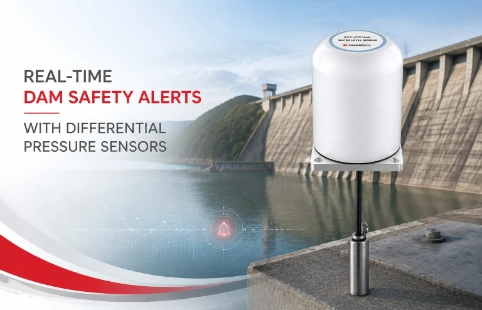
Real-Time Dam Safety Alerts with Differential Pressure Water Level Sensors
Key Takeaways An alert chain needs more than a sensor: define field in...

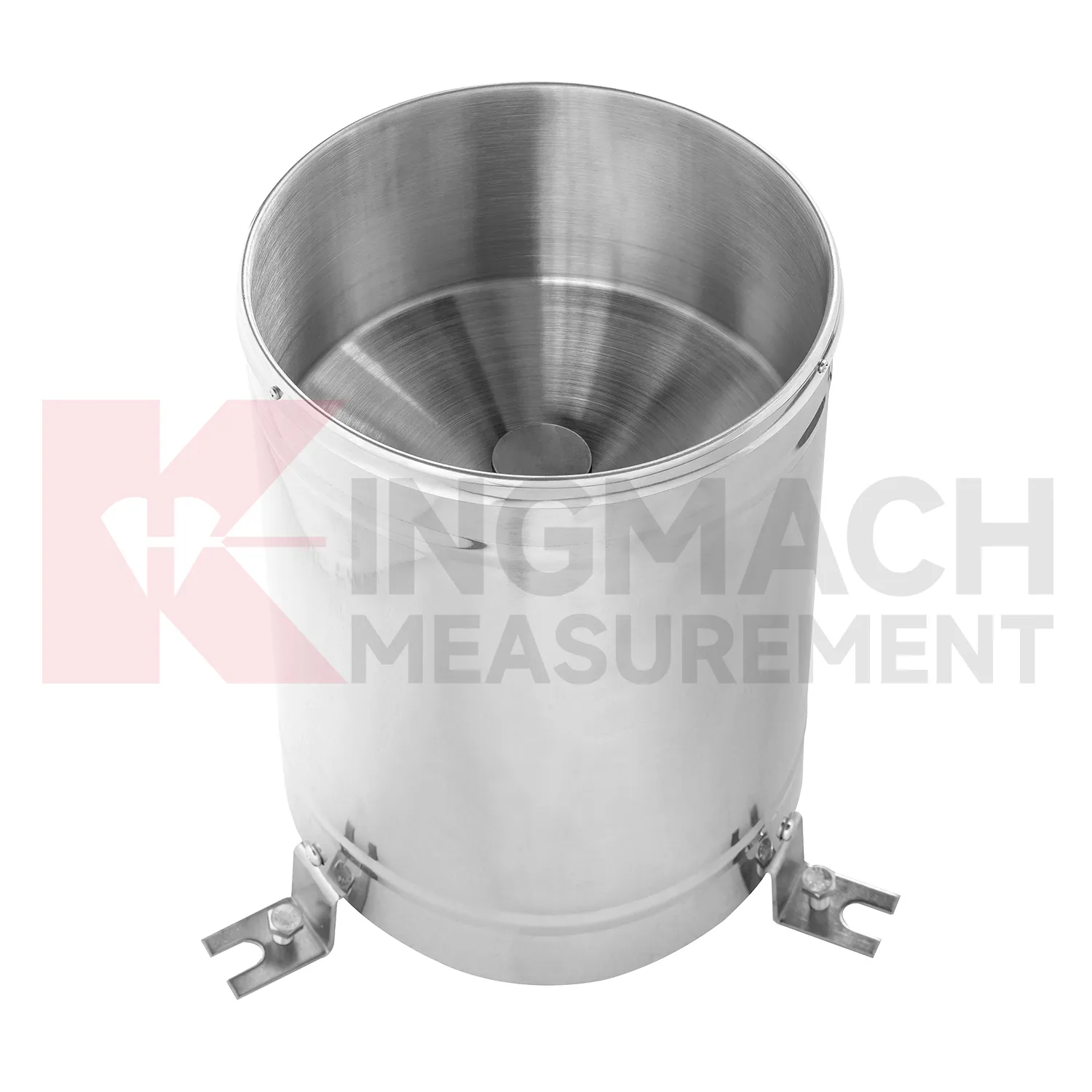
Tipping Bucket Type Rain Gauge for Field Monitoring
Rain gauges that use a tipping bucket mechanism have been around for decades. They're simple, they work on a basic principle, and they don't need much power. That makes them a common sight in weather stations, hydrological networks, and geotechnical monitoring setups. Kingmach builds these gauges as part of a wider range of instruments for engineers and technicians who need data they can trust, without the hassle of constant maintenance. We ship them to projects worldwide, and can adjust specs when standard models don't quite fit the job.
Technical Detail
A tipping bucket rain gauge works by funneling rain into a small seesaw-like bucket. Each time it fills to a set amount, it tips, triggering a reed switch or similar sensor. Count the tips, multiply by the calibrated volume, and you have rainfall. It's a method that doesn't rely on complex electronics, which helps with longevity and reliability in remote areas. Kingmach's version is built with the same approach, using materials like stainless steel and engineering plastics to handle prolonged exposure. The bucket is shaped to reduce splash-out and debris buildup, which helps keep the data consistent between maintenance intervals. The resolution—typically 0.2 mm or 0.5 mm per tip—can be chosen to match the application. For landslide monitoring or hydrological modeling, a higher resolution might be preferred. For simple agricultural or flood-warning networks, a coarser resolution often does the job just fine. The gauge comes with a leveling base and mounting hardware, and connects to standard data loggers through a simple pulse output. Kingmach can also pre-wire it to work with their other geotechnical instruments if you're putting together a multi-parameter station. When it comes to maintenance, most issues are mechanical: sticky buckets from bird droppings, insect nests, or ice. Access is straightforward—the funnel lifts off, the bucket assembly can be removed for cleaning, and the reed switch rarely fails. There's no elaborate calibration procedure; you can field-check it by pouring a known amount of water and counting the tips.
News
Key Takeaways An alert chain needs more than a sensor: define field in...
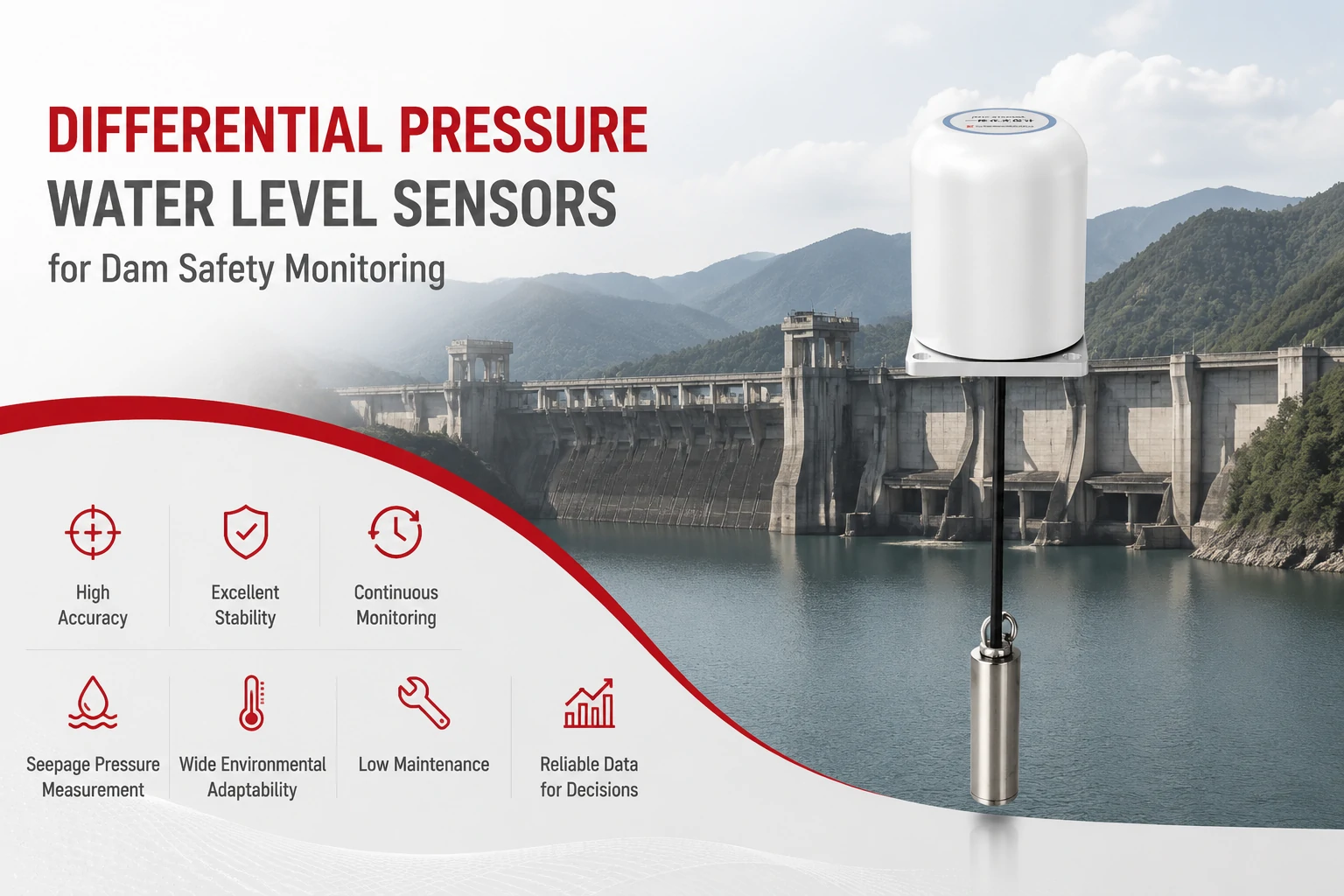
Key Takeaways The strongest fit is usually a confined, submerged, or s...
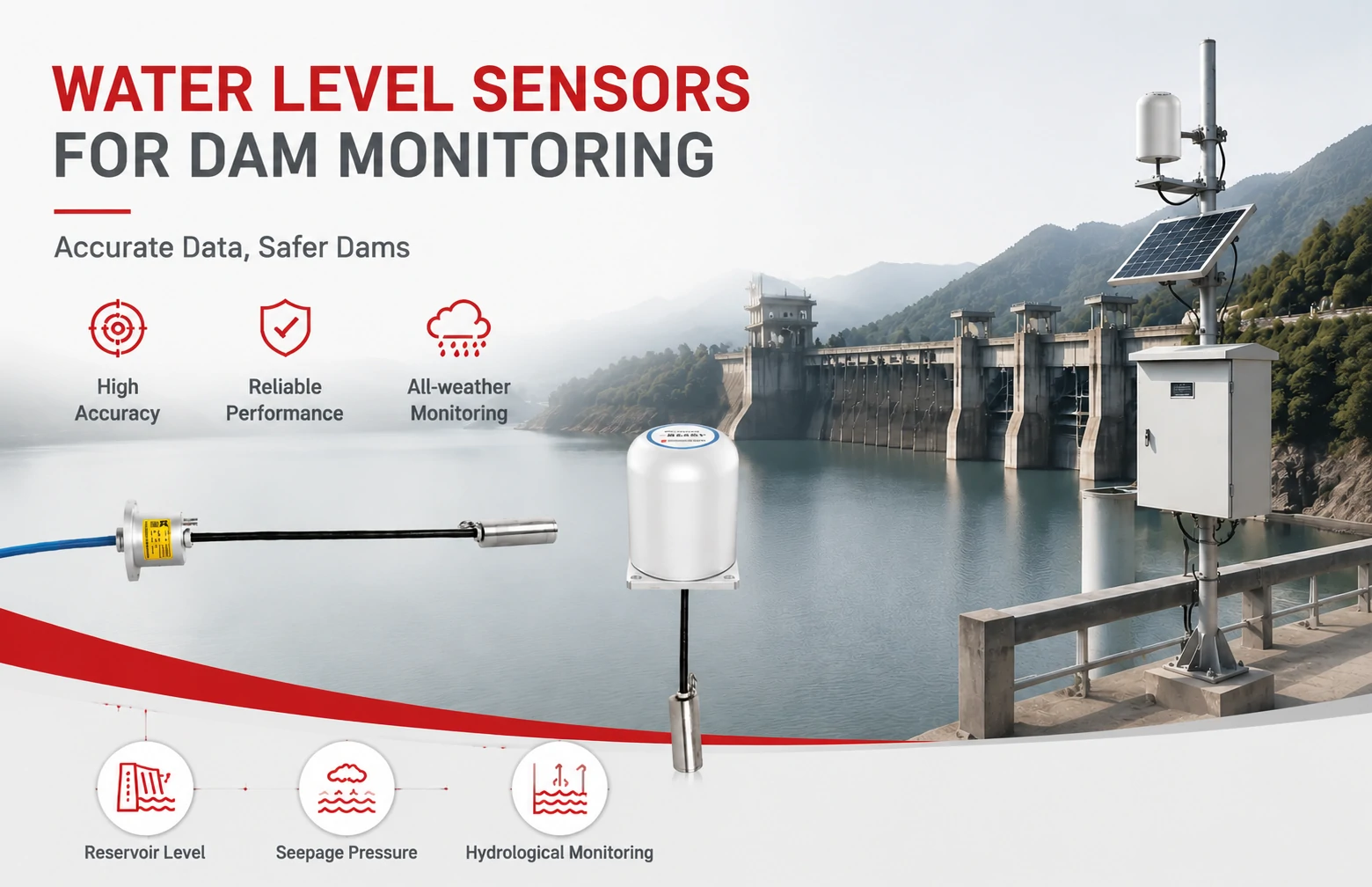
Kingmach Water Level Sensors for Dam Monitoring: A Buyer's Guide to Differential Pre...
Products
FAQ
Most orders are either 0.2 mm or 0.5 mm per tip. We can also do 0.1 mm if the project calls for it, but that usually means a smaller bucket and more frequent cleaning in dirty environments. Let us know where it will be installed, and we can suggest the right balance between sensitivity and maintenance.
It's a simple pulse output—just two wires from the reed switch. Each tip closes the circuit momentarily. Most loggers can count these events and convert them to rainfall. If you're using one of our loggers, we can set up the channel and scaling factor before shipping. Otherwise, just check your logger's pulse input specs; you'll likely need a pull-up resistor.
There's a physical limit: if rain falls faster than the bucket can tip and empty, you'll get some undercatch. For standard gauges, that threshold is typically around 3-5 mm/minute. Our design tries to keep water moving smoothly through the funnel and bucket, but in extreme rainfall areas, a different sensor type might be better. If you're unsure, tell us the local rain rates and we can talk through options.
A heated funnel is available. It runs on low-voltage DC and keeps the collecting surface just above freezing so snow or ice melts and is measured as liquid. It adds some power draw, so it's not ideal for very remote battery-only sites unless you have a substantial solar panel.
That depends entirely on the site. Near trees or where birds perch, you might need to check monthly. In open areas with little debris, quarterly or even twice a year is enough. The bucket assembly lifts out without tools, so field cleaning is quick.
Share your product type, target capacity, and application requirements. Our team can review the details and recommend a practical next step.
If you are interested in our products or want to become our partner.
Please leave your contact information, our team will contact you as soon as possible.
Mail: [email protected]
Contact Us: +8613808434127
Address: No. 188 Tongzipo West Rd, Changsha, Hunan, China