
 EN
EN
 ar
ar bg
bg hr
hr cs
cs da
da nl
nl fi
fi fr
fr de
de el
el hi
hi it
it ko
ko no
no pl
pl pt
pt ro
ro ru
ru es
es sv
sv tl
tl iw
iw id
id lv
lv lt
lt sr
sr sk
sk sl
sl uk
uk vi
vi et
et hu
hu th
th tr
tr fa
fa ms
ms hy
hy ka
ka ur
ur bn
bn mn
mn ta
ta kk
kk uz
uz ku
ku
Essential Guide to Vibrating Wire Strain Gauge Installation Procedures and Best Practices
1. Why Proper Installation Determines Monitoring Accuracy
Structural health monitoring (SHM) plays a growing role in global infrastructure projects. Proper installation directly determines the accuracy and long-term reliability of these vital systems. The vibrating wire strain gauge serves as a fundamental sensor within this industry. However, the sector faces a frequent and costly issue. High-quality sensors often fail entirely due to poor field installation practices. This article provides a practical, field-oriented installation guide designed specifically for engineers and contractors.
2. Understanding Vibrating Wire Strain Gauges Before Installation
2.1 Basic Working Principle
Engineers must thoroughly understand the basic working principle of the sensor. Physical structural strain causes a tension change within the internal wire, which subsequently produces a measurable frequency variation. This specific frequency-based measurement methodology inherently ensures highly stable signal transmission.
2.2 Types of Vibrating Wire Strain Gauges
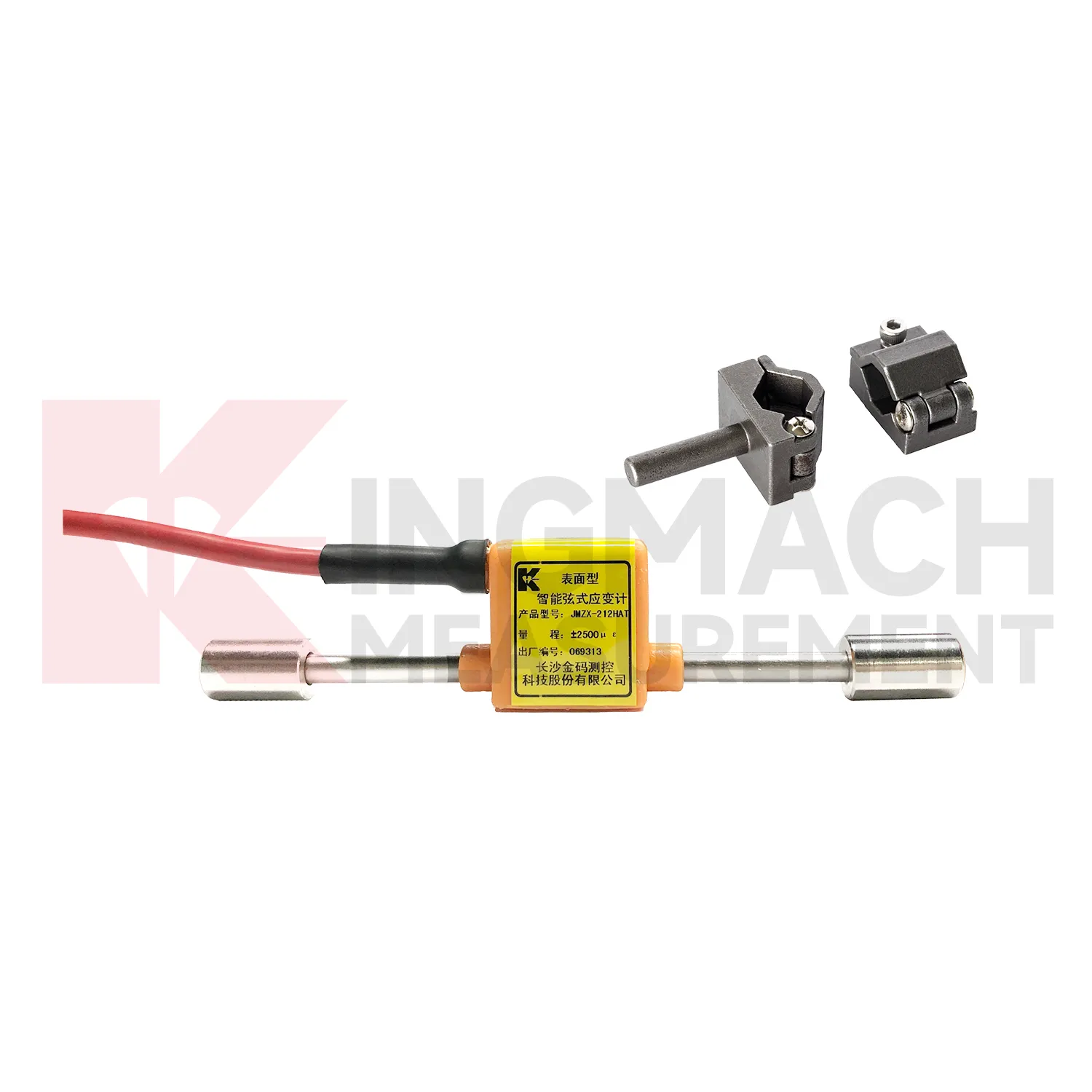
Infrastructure projects utilize several distinct types of vibrating wire strain gauges. Procurement teams specify embedment types primarily for concrete structures. They select surface-mounted types for monitoring steel structures. Weldable strain gauges provide another robust option for metal surfaces. The final equipment selection depends on three main factors. These factors include the specific structure type , the expected monitoring duration , and the prevailing environmental conditions.
3. Pre-Installation Planning: The Foundation of Successful Monitoring
3.1 Project Requirement Analysis
Pre-installation planning forms the strict foundation of successful structural monitoring. Project managers must conduct a comprehensive project requirement analysis. They must clearly define the primary measurement objectives. They also need to determine the expected strain range and calculate the total monitoring duration. Teams must actively align their sensor selection with these precise project specifications.
3.2 Site Assessment and Sensor Layout
Installers must conduct a thorough site assessment prior to deployment. This evaluation analyzes the structural material, whether it involves concrete, steel, or soil applications. The assessment also covers critical environmental conditions like ambient temperature, humidity levels, and ambient vibration. Teams must identify potential site risks. These hazards frequently include water ingress and mechanical damage.
Engineers must design an optimal sensor layout, targeting high-stress zones and critical structural elements with proper spatial spacing and system redundancy. A well-designed layout drastically reduces future maintenance costs.
4. Tools and Materials Required for Installation
Field technicians require specific tools and materials for a successful deployment.
- Procure the vibrating wire strain gauge unit.
- Gather necessary mounting accessories, including anchors, clamps, and brackets.
- Prepare high-grade protective materials, such as industrial sealants and waterproof coatings.
- Set up the centralized data acquisition system and all required communication cables.
- Ensure calibration and testing equipment is available on site.
- Utilize compatible accessories sourced from the exact same supplier to maintain system integrity.
5. Step-by-Step Installation Procedures
5.1 Surface Preparation and Positioning
Technicians must follow strict step-by-step installation procedures.
First, they execute meticulous surface preparation. Workers clean and smooth the designated installation area completely. They remove all dust, residual oil, and loose surface particles. This step ensures a highly stable bonding or mounting surface.
Next, they handle the critical sensor positioning and fixing phase. Installers must align the sensor perfectly with the principal strain direction. They secure the gauge utilizing distinct methods. They use welding techniques for steel structures. They employ embedding methods for concrete structures. They utilize mechanical fixing hardware for surface mounting applications. The key risk during this phase is that slight misalignment leads directly to inaccurate readings.
5.2 Cable Routing and Initial Calibration
Technicians then manage cable routing and physical protection. They must carefully route cables away from hazards. They avoid sharp edges and high-temperature zones completely. Technicians use heavy conduits or protective sleeves to shield the wiring. They also ensure proper mechanical strain relief at all connection points.
Finally, the team conducts the initial reading and calibration process. Operators record the baseline zero readings immediately after physical installation. They verify the active sensor response utilizing controlled test loading. They subsequently connect the entire array to a secure data logger for continuous structural monitoring.
6. Installation in Different Application Scenarios
Installation methodologies adapt to different engineering application scenarios.
For concrete structures, field teams utilize embedment installation techniques. Workers fix the sensor tightly to reinforcement bars before pouring the wet concrete. They must aggressively protect the attached cables during the heavy pouring and vibration stages.
For steel structures, teams execute surface or weldable installations. Technicians apply direct welding or high-strength adhesive bonding. They must ensure proper mechanical alignment and extensive surface treatment.
Geotechnical applications require a different operational approach. Workers install the sensors deep within boreholes or active soil layers. They protect the hardware heavily against continuous moisture and shifting ground movement.
7. Common Installation Mistakes and How to Avoid Them
Contractors frequently encounter common installation mistakes that compromise ROI.
- Improper alignment with the strain direction ruins data validity. Engineers must clearly mark the principal axis to correct this issue.
- Poor surface preparation causes premature sensor detachment. Teams must grind and chemically clean all surfaces to avoid this failure.
- Inadequate cable protection leads to rapid signal loss. Technicians must install armored cables or steel conduits as a corrective measure.
- Ignoring ambient temperature effects heavily skews long-term data trends. Systems must actively utilize built-in temperature compensation mechanisms.
- Skipping the baseline calibration completely renders future readings meaningless. Operators must record and rigidly verify the initial zero values before commissioning.
8. Best Practices for Long-Term Performance
Long-term performance relies on strict adherence to professional best practices.
Environmental protection remains a paramount concern. Installers must use premium waterproofing and corrosion-resistant materials. They apply robust protective coatings wherever environmental exposure necessitates.
Regular inspection and maintenance routines preserve the system infrastructure. Teams conduct periodic operational checks. They inspect for physical cable damage and verify signal consistency. This preventive maintenance strategy effectively reduces the overall failure risk.
Data quality management is equally critical to project success. Analysts actively monitor incoming data trends. They work to identify abnormal structural readings very early. They integrate these analytical processes with advanced SHM systems to generate real-time automated alerts.
9. Integration with Structural Health Monitoring Systems
Modern B2B engineering projects demand deep integration with broad Structural Health Monitoring Systems. Automated data loggers and remote monitoring platforms play a central, governing role in data management. IoT-enabled systems deliver immense operational benefits. They provide engineers with seamless real-time data access. They also facilitate complex remote diagnostics without site visits. This technological capability presents a tremendous opportunity to introduce complete, high-value monitoring solutions to infrastructure clients.
10. Conclusion: Installation Excellence Drives Monitoring Success
Installation excellence ultimately acts as the primary driver of monitoring success. We reinforce the core message that installation quality strictly determines long-term data reliability. We strongly encourage rigorous, professional installation practices across all global projects. Kingmach is your trusted partner for both sensor supply and advanced technical support.
We actively invite all industry readers to engage with our engineering team. You can easily request detailed, step-by-step installation guidance. You can obtain highly customized, project-specific recommendations tailored to your site. We are fully prepared to discuss bulk supply logistics for large-scale international projects. Contact us today for expert support on vibrating wire strain gauge installation and customized monitoring solutions for your exact project needs.
FAQs
1. Why is precise surface preparation required before installation?
Proper surface preparation fundamentally prevents sensor detachment and maintains system integrity. Installers must meticulously clean and smooth the target area to ensure a perfectly stable mounting surface.
2. What happens if the gauge is not aligned correctly?
Improper alignment with the principal strain direction creates a massive risk. This specific installation error leads directly to permanently inaccurate structural readings.
3. How do engineers protect sensor cables from environmental damage?
Technicians must intelligently route cables away from dangerous sharp edges and extreme high-temperature zones. They must strictly utilize heavy protective conduits or durable sleeves to shield the vulnerable wiring.
4. Why is taking a baseline zero reading mandatory?
Skipping the crucial baseline calibration process renders all future structural readings completely meaningless. Technicians absolutely must record the initial baseline values to verify sensor response and establish a reliable data reference point.
5. How does the initial installation quality affect the project's financial return?
Poor installation guarantees increased, ongoing maintenance costs and forces expensive data errors. High-quality installation secures a longer service life and provides reliable data, which aggressively optimizes the project's total cost of ownership (TCO).