
 EN
EN
 ar
ar bg
bg hr
hr cs
cs da
da nl
nl fi
fi fr
fr de
de el
el hi
hi it
it ko
ko no
no pl
pl pt
pt ro
ro ru
ru es
es sv
sv tl
tl iw
iw id
id lv
lv lt
lt sr
sr sk
sk sl
sl uk
uk vi
vi et
et hu
hu th
th tr
tr fa
fa ms
ms hy
hy ka
ka ur
ur bn
bn mn
mn ta
ta kk
kk uz
uz ku
ku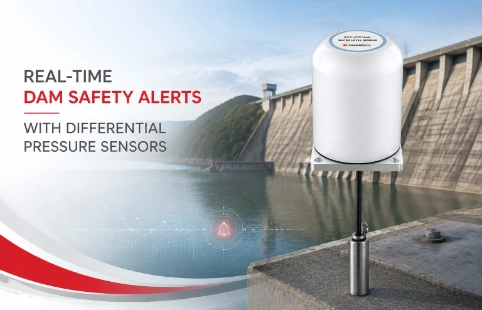
Real-Time Dam Safety Alerts with Differential Pressure Water Level Sensors
Key Takeaways An alert chain needs more than a sensor: define field in...

Data Transmission Cable for In-Situ Monitoring Systems
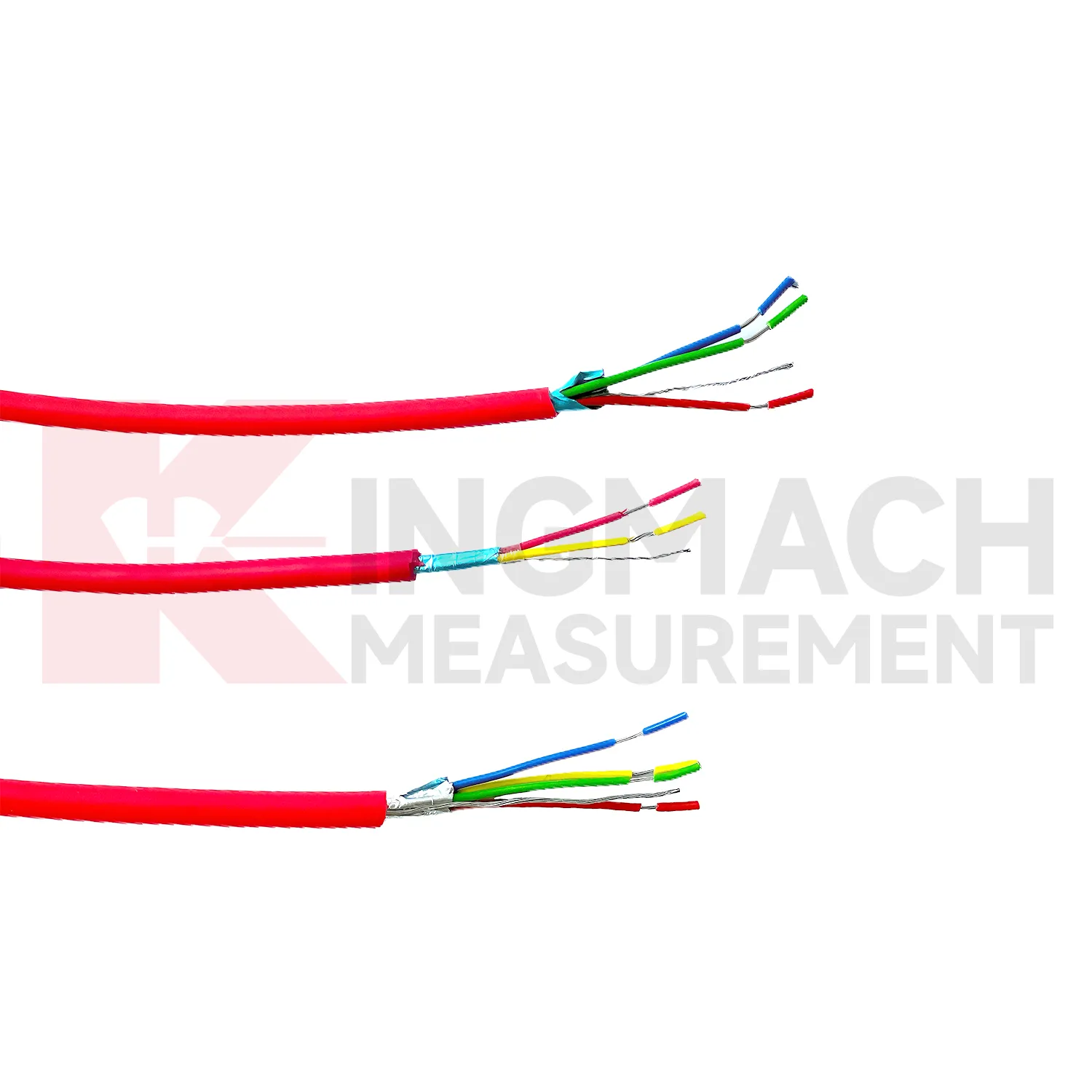
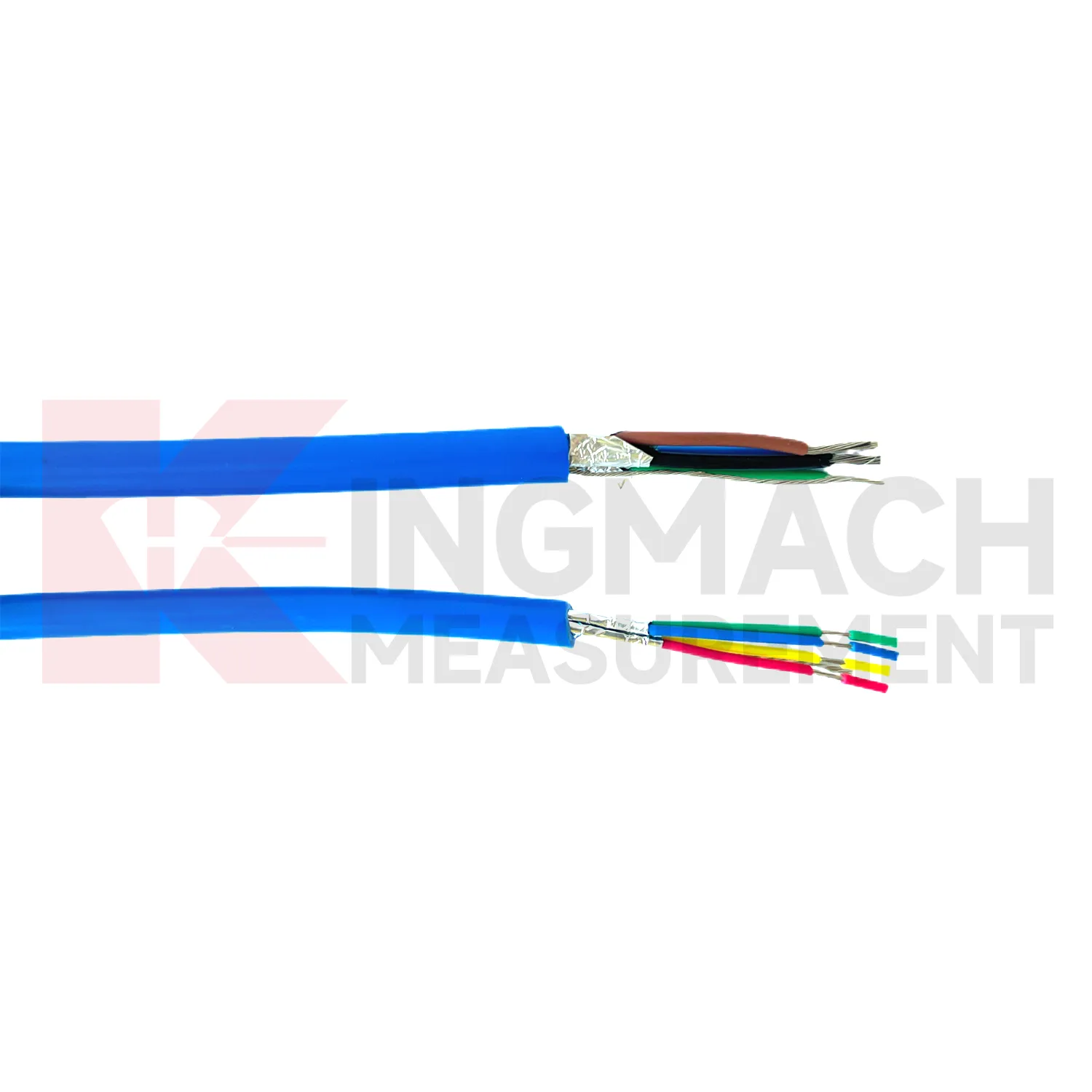
Field monitoring cables don’t get much attention until a signal drops. In geotechnical projects, data from sensors like inclinometers, piezometers, and strain gauges has to travel through long, often hostile routes. A cable that adds noise or fails in wet trenches leads to bad readings and rework. Kingmach supplies data transmission cables built around the voltages, impedances, and connector pinouts common in monitoring instruments. Instead of adapting off-the-shelf wiring, engineers can match the cable to the sensor output and the logger’s input requirements from the start. The focus stays on consistent signal quality and physical durability over months of outdoor use.
Technical Detail
Kingmach data transmission cables are manufactured for connecting geotechnical and structural monitoring sensors to data loggers, multiplexers, and readout units. Most monitoring setups involve low-level signals from vibrating wire, MEMS, or 4–20 mA transmitters. Cable electrical characteristics—conductor resistance, capacitance, shielding coverage—directly affect measurement precision. Kingmach offers twisted-pair and multi-conductor configurations with foil and braid shielding to control EMI in sites near heavy machinery. The jacket materials are selected for the environment: polyurethane for abrasion and UV exposure, PVC for general use, and LSZH for tunnel or building installations where fire safety matters. Custom pinouts and connector terminations are assembled to match existing sensor tails, reducing field splicing errors. Cable diameters and bend radii are kept practical for conduit pulls and direct burial. Lengths are cut to order, and each reel is tested for continuity and insulation resistance before dispatch. For long cable runs, Kingmach can advise on voltage drop calculations and maximum attainable distances for specific sensor types. Standard color coding and printed markings simplify identification during multi-point installations. While most inventory is built around common sensor interfaces, the production setup allows short-run orders with lead times that align with typical construction schedules. This approach helps instrumentation contractors and monitoring service providers avoid the downtime and guesswork that come with generic wiring solutions.
News
Key Takeaways An alert chain needs more than a sensor: define field in...
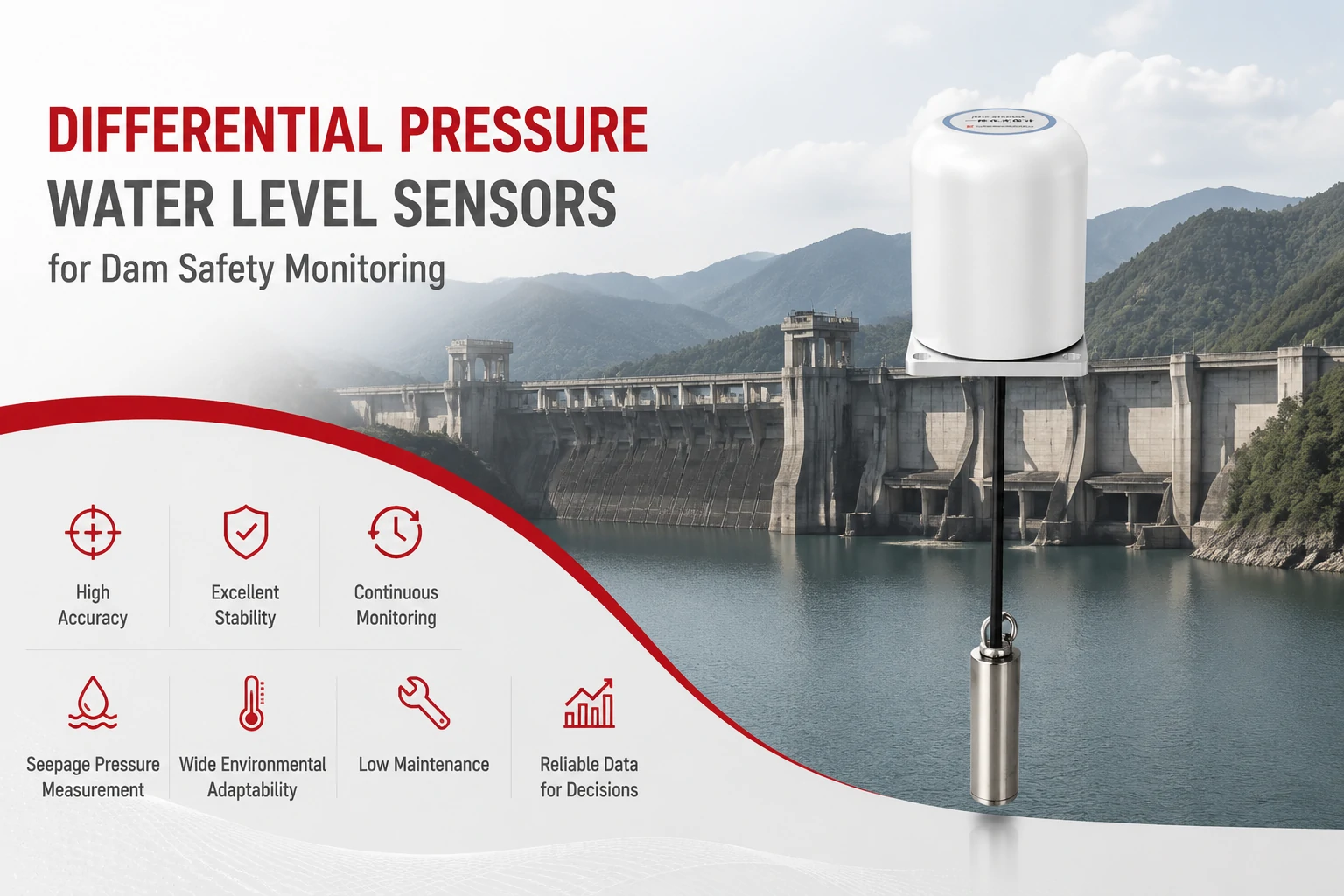
Key Takeaways The strongest fit is usually a confined, submerged, or s...
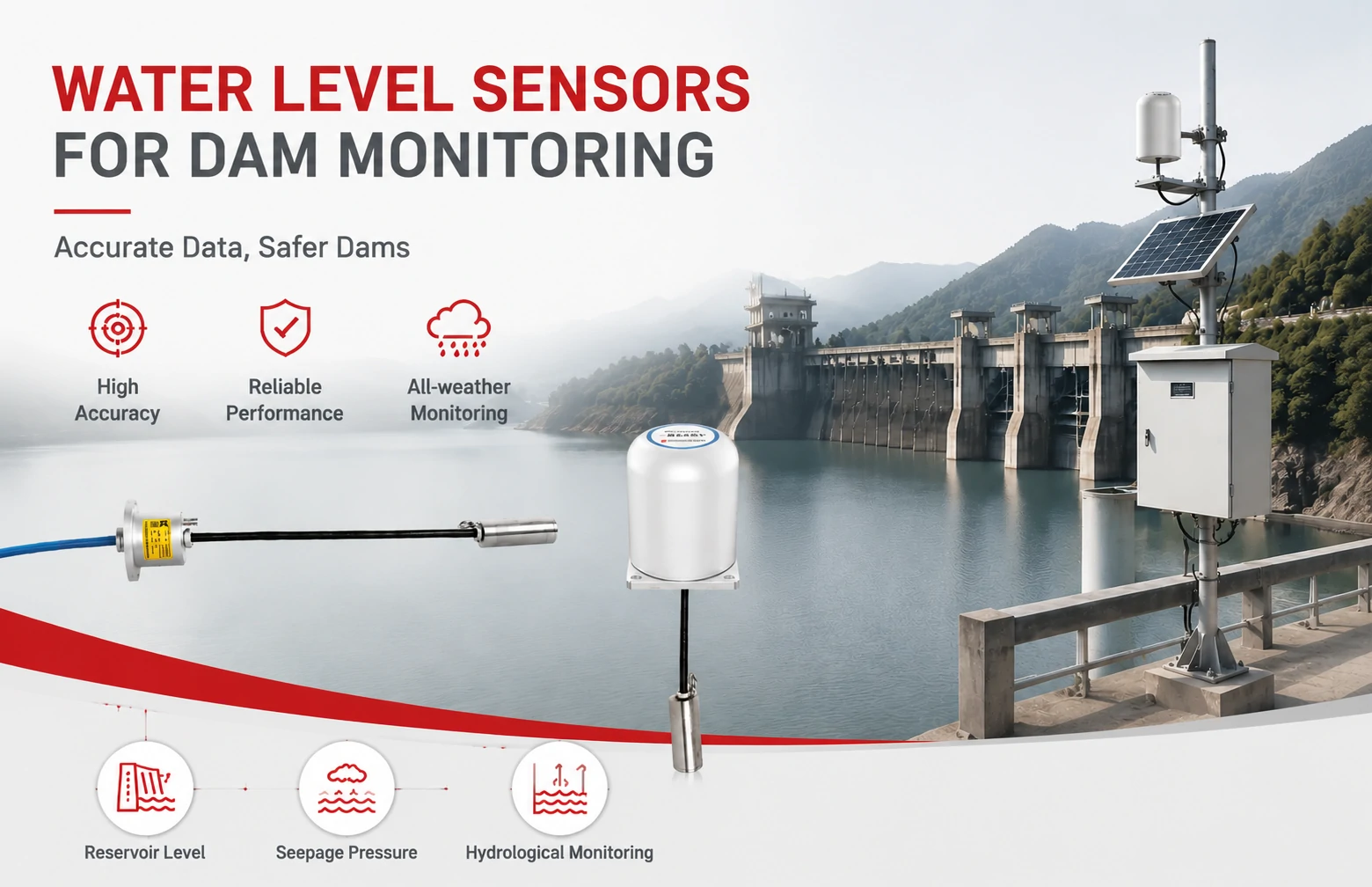
Kingmach Water Level Sensors for Dam Monitoring: A Buyer's Guide to Differential Pre...
Products
FAQ
Typically we use a combination of aluminum foil and tinned copper braid. The foil gives full coverage against high-frequency interference, and the braid handles low-frequency noise and provides a drain path. For extreme EMI, dual-shielded options are available.
Yes. We assemble cables with common sensor connectors like binders, military-style circular connectors, or terminal pins. If you provide a pinout diagram, we match the wiring to avoid misconnections in the field.
Polyurethane is often the best choice for direct burial. It’s tougher than PVC against rocks and soil compression, resists moisture, and holds up well under UV. For tunnels or indoor spaces where fire codes are strict, we’d suggest LSZH.
It depends on sensor output impedance and loop resistance. For vibrating wire sensors, lengths up to 1–2 km usually work fine if the cable gauge is adequate. For 4–20 mA loops, a couple of hundred meters is typical. Share your sensor specs and we can run the numbers.
Most orders are cut to the length you specify. Stock reels are held for common gauges, but we assemble and test each batch against your requirements. Typical lead times range from one to three weeks depending on the complexity of terminations.
Share your product type, target capacity, and application requirements. Our team can review the details and recommend a practical next step.
If you are interested in our products or want to become our partner.
Please leave your contact information, our team will contact you as soon as possible.
Mail: [email protected]
Contact Us: +8613808434127
Address: No. 188 Tongzipo West Rd, Changsha, Hunan, China