
 EN
EN
 ar
ar bg
bg hr
hr cs
cs da
da nl
nl fi
fi fr
fr de
de el
el hi
hi it
it ko
ko no
no pl
pl pt
pt ro
ro ru
ru es
es sv
sv tl
tl iw
iw id
id lv
lv lt
lt sr
sr sk
sk sl
sl uk
uk vi
vi et
et hu
hu th
th tr
tr fa
fa ms
ms hy
hy ka
ka ur
ur bn
bn mn
mn ta
ta kk
kk uz
uz ku
ku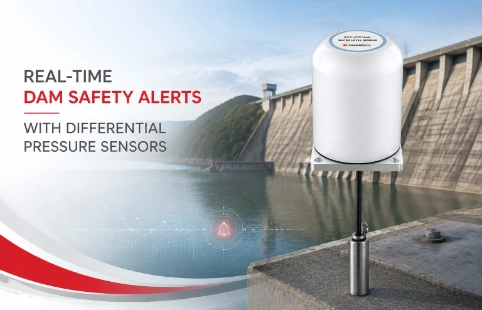
Real-Time Dam Safety Alerts with Differential Pressure Water Level Sensors
Key Takeaways An alert chain needs more than a sensor: define field in...

Strain Gauge Data Logger: Technical Specs & Compatibility
Strain gauge data loggers don’t grab headlines, but in structural monitoring or geotechnical work they are the quiet workhorses. Kingmach’s approach to these devices focuses on signal compatibility and how the raw numbers get from the sensor to your analysis software. The range covers basic single-channel units up to multi-channel loggers that handle quarter, half, and full bridge configurations without external completion modules. Field conditions rarely match the lab, so the input protection and filtering are built for real-world wiring runs where noise and intermittent connections happen. This page lays out what to look for in terms of bridge compatibility, sampling rates, storage, and data export—details that often get glossed over in glossy brochures but determine whether a logger fits into existing test setups or creates more work.
Technical Detail
Strain gauge data loggers need to match the bridge configuration and excitation requirements of the sensors they connect to. Kingmach units are built around three main design constraints: input flexibility, signal conditioning, and data accessibility. On the input side, models accept quarter-bridge (120Ω or 350Ω with internal completion), half-bridge, and full-bridge sensors. The excitation voltage is selectable—commonly 2.5V or 5V—so they work with standard foil gauges without overdriving low-resistance elements. Some multi-channel versions support mixed bridge types on the same unit, which saves hardware cost when monitoring different sensor types on one structure. Signal conditioning isn’t just gain and zero-offset adjustment. The front-end includes programmable gain amplifiers that auto-range to the input signal, reducing the need for manual scaling. Filtering can be set per channel: low-pass filters with cutoff frequencies from 1Hz to 1kHz help suppress mechanical noise in strain signals. For long-duration geotechnical jobs, anti-aliasing filters are particularly important where the sampling rate might be dropped to conserve storage. Data storage and retrieval are where many loggers frustrate users. Kingmach devices typically store to removable SD cards or internal flash, with capacities from 8GB upward. The file format is CSV or a compressed binary with timestamps synchronized to a real-time clock that holds accuracy within ±15 seconds per month—enough for most non-seismic work. Remote data access via RS-485 or optional 4G modem lets you pull data without visiting the site, which in remote monitoring applications saves more field time than any hardware feature. Export to third-party software like LabVIEW or MATLAB is supported through documented ASCII command sets, not just proprietary viewers. Power consumption matters because field jobs run on battery and solar. By default, the logger sleeps between scheduled readings, drawing under 100µA in standby. Wake-up from a digital trigger input or alarm threshold allows event-driven recording without continuous power drain. This sleep-wake architecture combined with signal-compatible inputs is what separates a logger that just works on a quick test from one that can run a 6-month pile monitoring job without site visits.
News
Key Takeaways An alert chain needs more than a sensor: define field in...
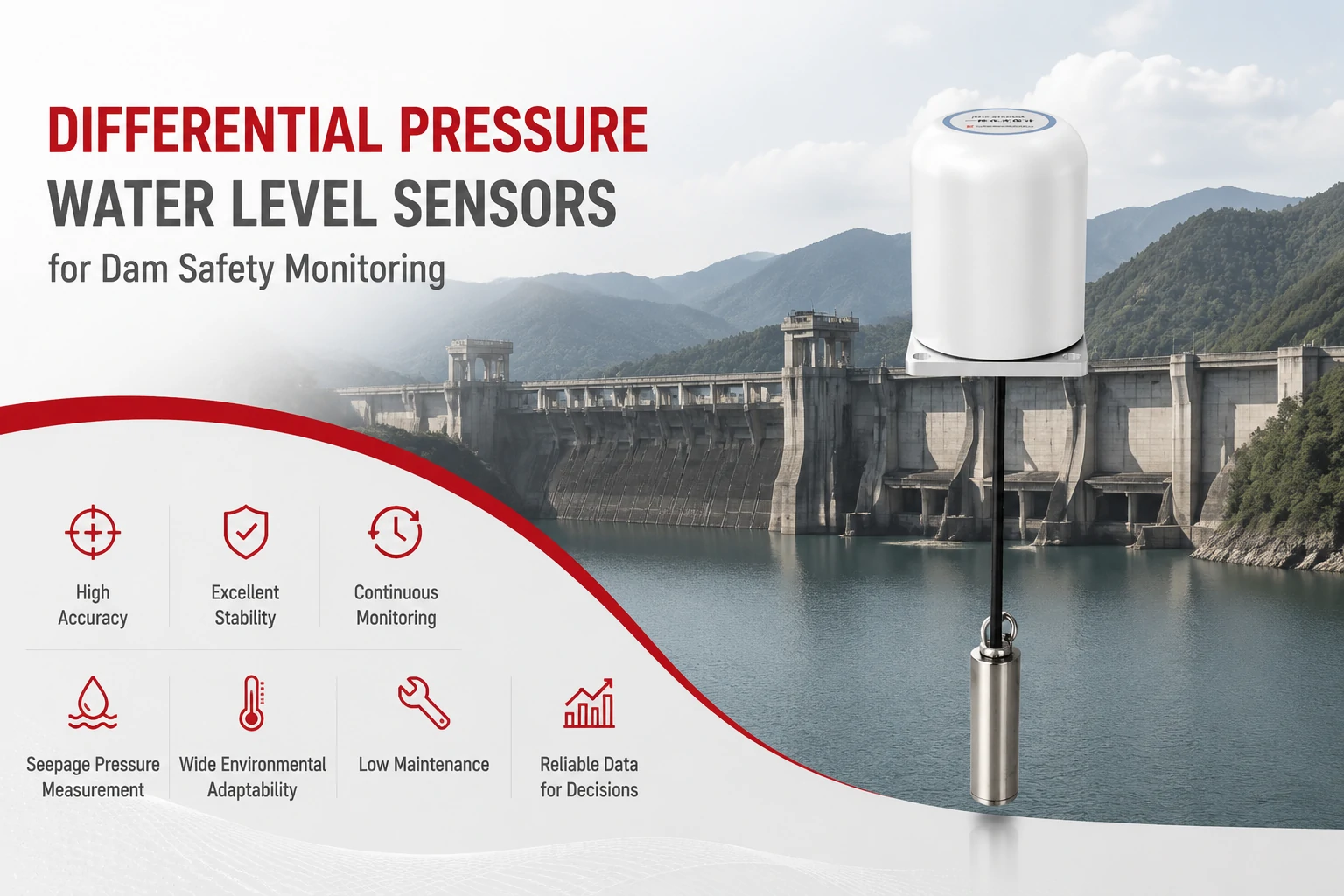
Key Takeaways The strongest fit is usually a confined, submerged, or s...
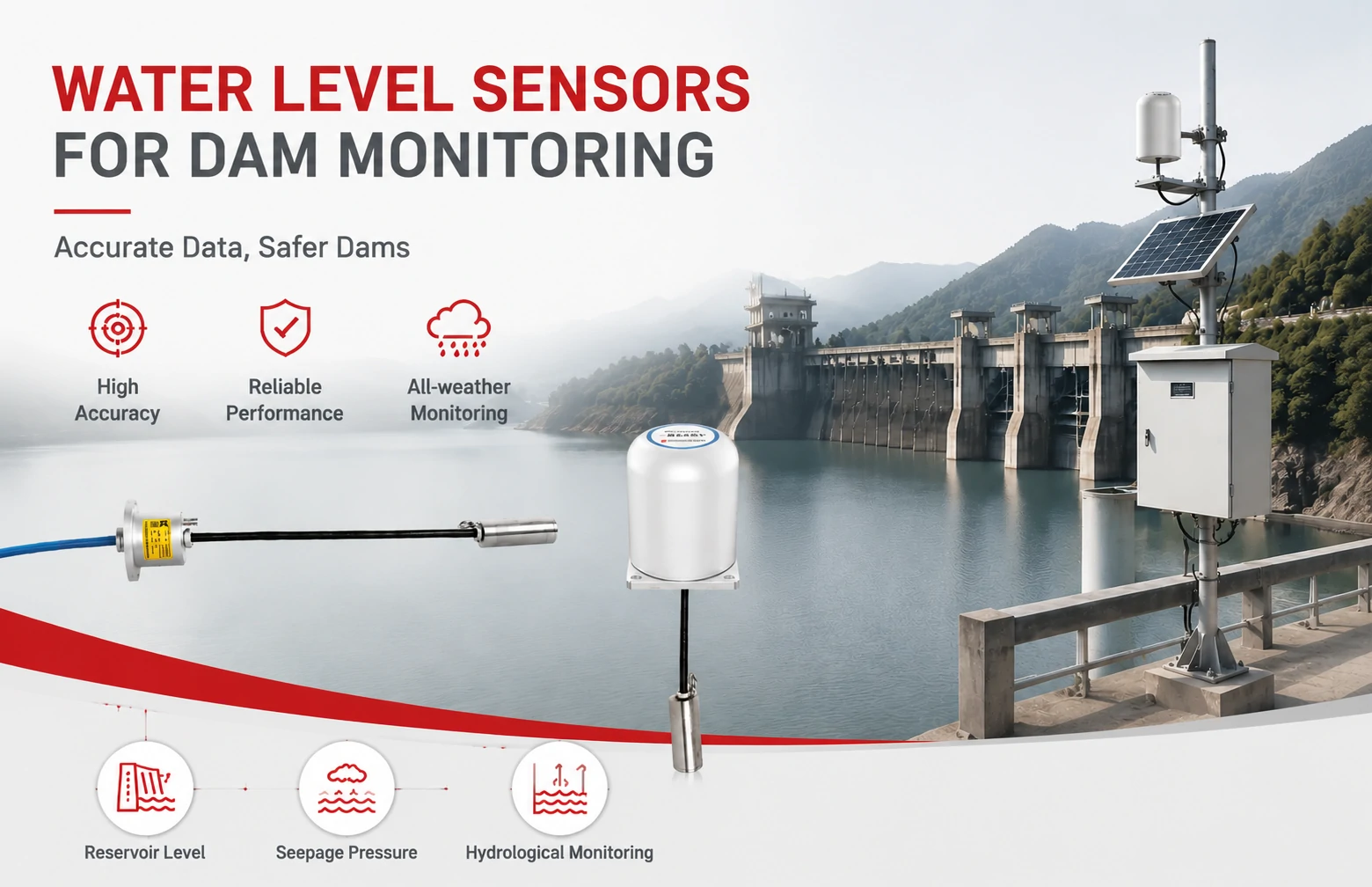
Kingmach Water Level Sensors for Dam Monitoring: A Buyer's Guide to Differential Pre...
Products
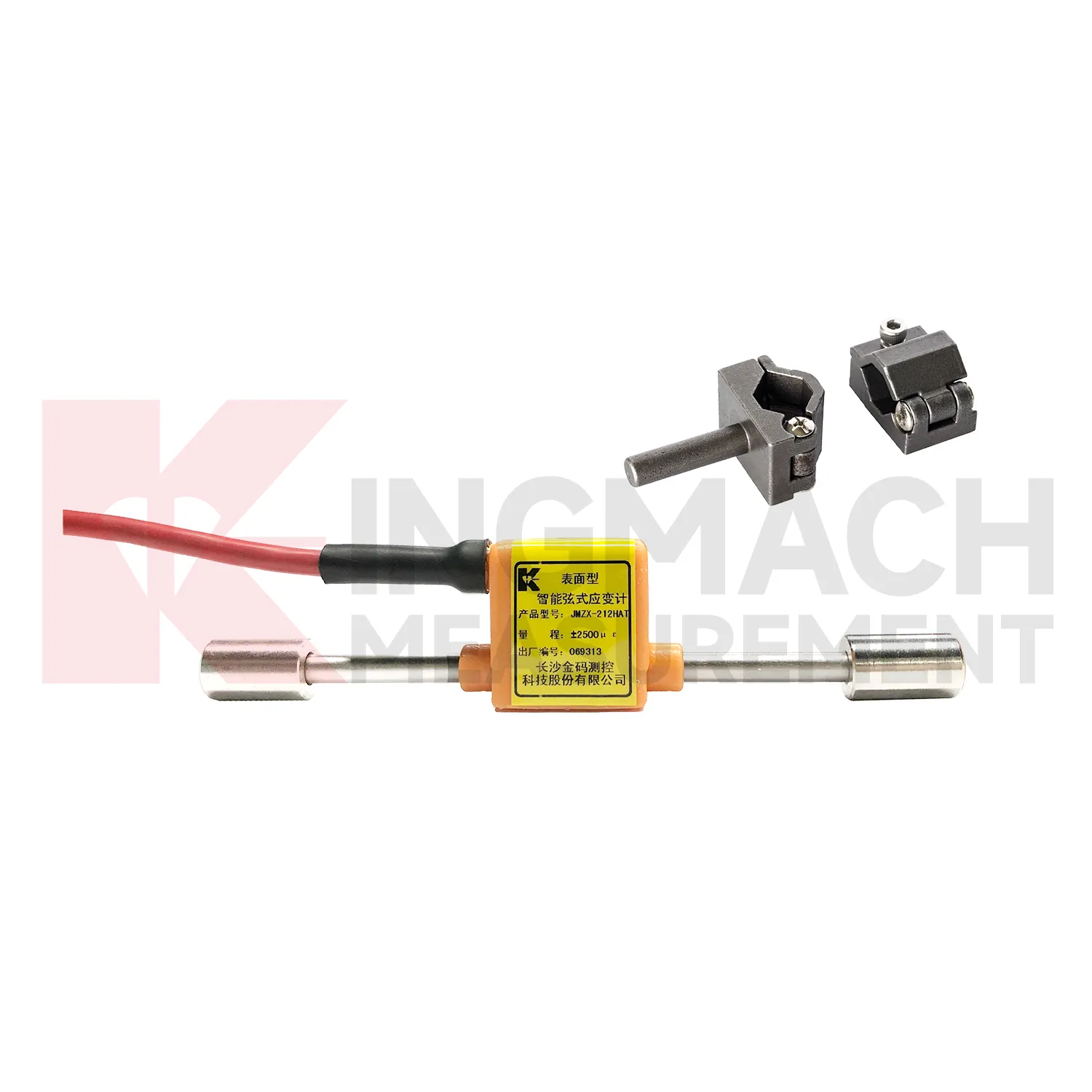
Smart vibrating wire strain gauge (surface model) JMZX-212HAT/HB
View Details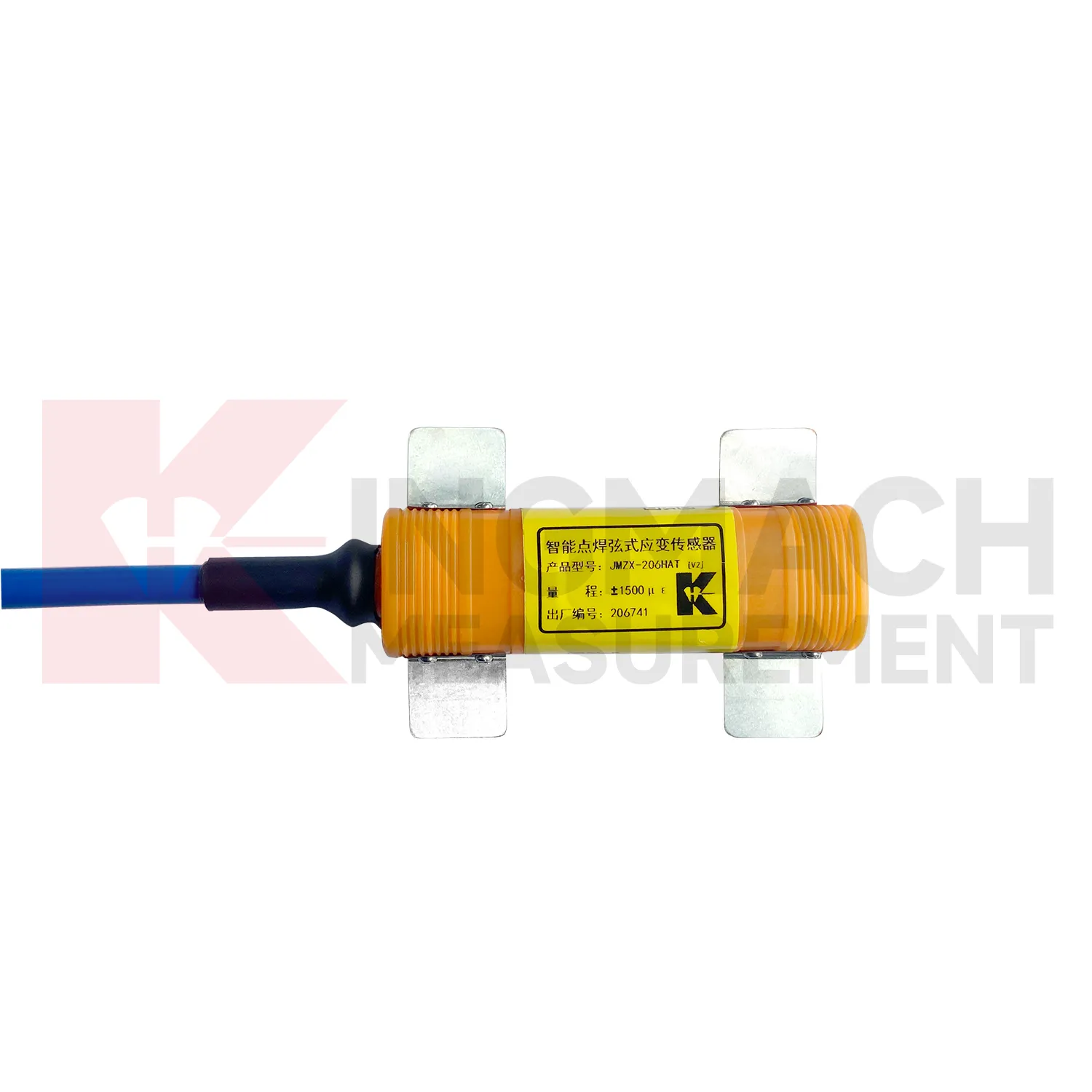
Smart vibrating wire strain gauge (surface welded model) JMZX-206HAT
View Details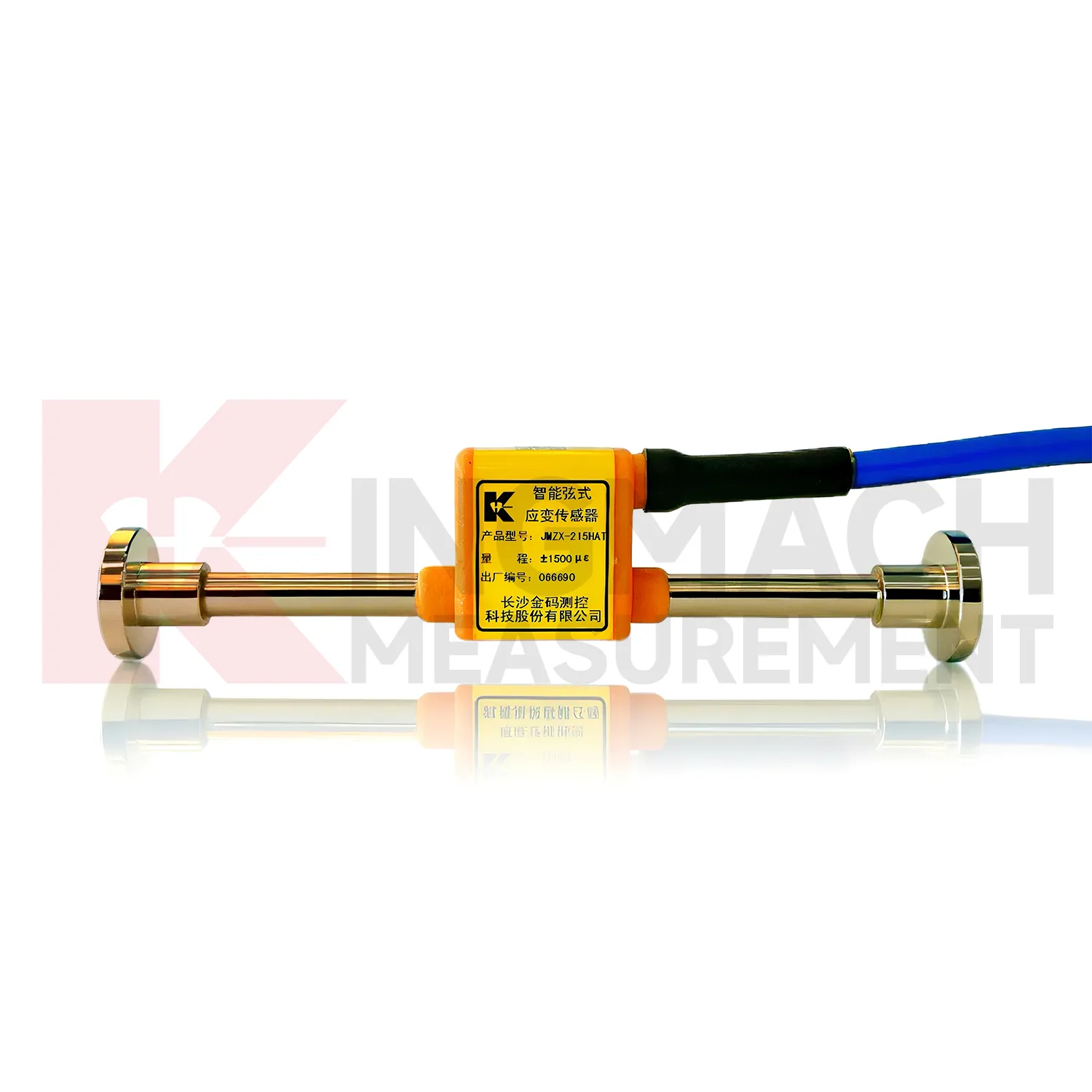
Smart vibrating wire strain gauge (embedment model) JMZX-215HA/215HAT/HB
View DetailsFAQ
Most Kingmach models have built-in completion for 120Ω and 350Ω quarter-bridge sensors, so you don’t need external resistors. You just select the bridge type and gauge resistance in the configuration software before logging starts. If your gauges have a different resistance, check the specific model’s input range, but 350Ω is definitely standard.
Models range from 4 to 32 channels, and many of the multi-channel units allow mixed bridge configurations. You might have channels 1–4 set to full-bridge for load cells, and 5–8 to half-bridge for bending strains, all in one logger. It’s a common setup in structural testing where you need both load and strain.
The hardware can sample up to 1000 samples per second per channel, but the practical limit depends on how many channels you run and your storage write speed. For a single channel, you can get 1kHz without dropped samples. With 8 channels, you might need to bring it down to 200–500Hz to keep the data stream stable. The software shows the real-time log rate so you know before you leave the site.
Share your product type, target capacity, and application requirements. Our team can review the details and recommend a practical next step.
If you are interested in our products or want to become our partner.
Please leave your contact information, our team will contact you as soon as possible.
Mail: [email protected]
Contact Us: +8613808434127
Address: No. 188 Tongzipo West Rd, Changsha, Hunan, China