
 EN
EN
 ar
ar bg
bg hr
hr cs
cs da
da nl
nl fi
fi fr
fr de
de el
el hi
hi it
it ko
ko no
no pl
pl pt
pt ro
ro ru
ru es
es sv
sv tl
tl iw
iw id
id lv
lv lt
lt sr
sr sk
sk sl
sl uk
uk vi
vi et
et hu
hu th
th tr
tr fa
fa ms
ms hy
hy ka
ka ur
ur bn
bn mn
mn ta
ta kk
kk uz
uz ku
ku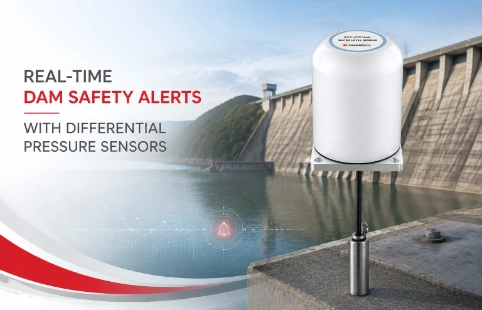
Real-Time Dam Safety Alerts with Differential Pressure Water Level Sensors
Key Takeaways An alert chain needs more than a sensor: define field in...

Precision Deflectometers for Geotechnical Monitoring
Measuring tiny displacements in a bridge or tunnel isn’t just about precision—it’s about having a tool that won’t quit when the weather turns. Fresh after a rainstorm or baking in direct sun, a deflectometer still needs to feed stable numbers back to your data logger. That’s where practical design matters. Kingmarch, a manufacturer with roots in geotechnical instrumentation, builds deflectometers that sit right in the middle ground: solid enough for long-term field use, without the price tag of lab-grade sensors that don’t belong on a construction site. Their range covers everything from simple joint meters to vibrating-wire models suited for remote monitoring. If standard specs don’t match your project, customization is part of the deal—not an afterthought. With distribution in multiple countries and a support team that actually understands tunnel and slope monitoring, Kingmarch aims to keep your monitoring chain intact from installation through data analysis.
Technical Detail
Kingmarch deflectometers address a wide span of monitoring tasks: beam deflection under load, convergence in tunnels, retaining wall tilt, or settlement in foundation soils. Their instruments typically use proven sensing elements—linear potentiometers for cost-sensitive jobs, vibrating wire sensors for long-term stability, or LVDT-based designs where fine resolution is needed. Field durability shows up in details like sealed connectors, IP-rated housings, and mounting brackets that can be adapted to unusual surfaces. Instead of a fixed catalog, you can specify measurement range from millimeters to several centimeters, output signal (4-20 mA, 0-5 V, RS-485), and cable length to fit your existing monitoring setup. This flexibility avoids forcing your project to adapt to an off-the-shelf sensor that doesn’t quite fit. While many suppliers draw a hard line between ‘economic’ and ‘high-end,’ Kingmarch’s mid-range positioning aims at dependable repeatability without over-engineering. Their global distribution network helps shorten lead times for international projects, and technical support can guide you through installation quirks or data integration issues. For specialized applications—like cramped borehole deployments or corrosive environments—their engineering team can re-engineer housings, add protective coatings, or design custom mounting fixtures. This practical approach to customization means you get an instrument that matches the real constraints of your site, not just a glossy brochure.
News
Key Takeaways An alert chain needs more than a sensor: define field in...
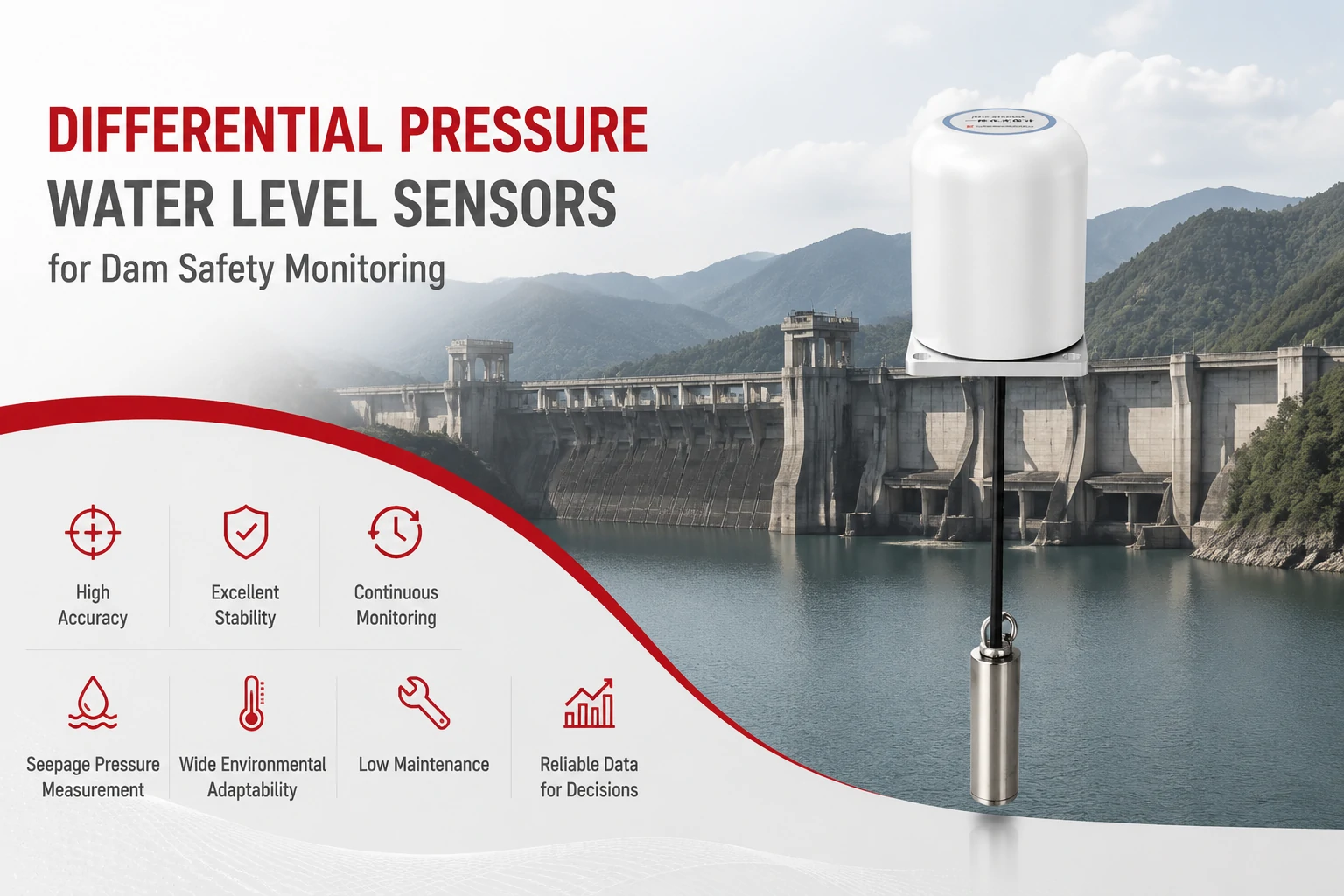
Key Takeaways The strongest fit is usually a confined, submerged, or s...
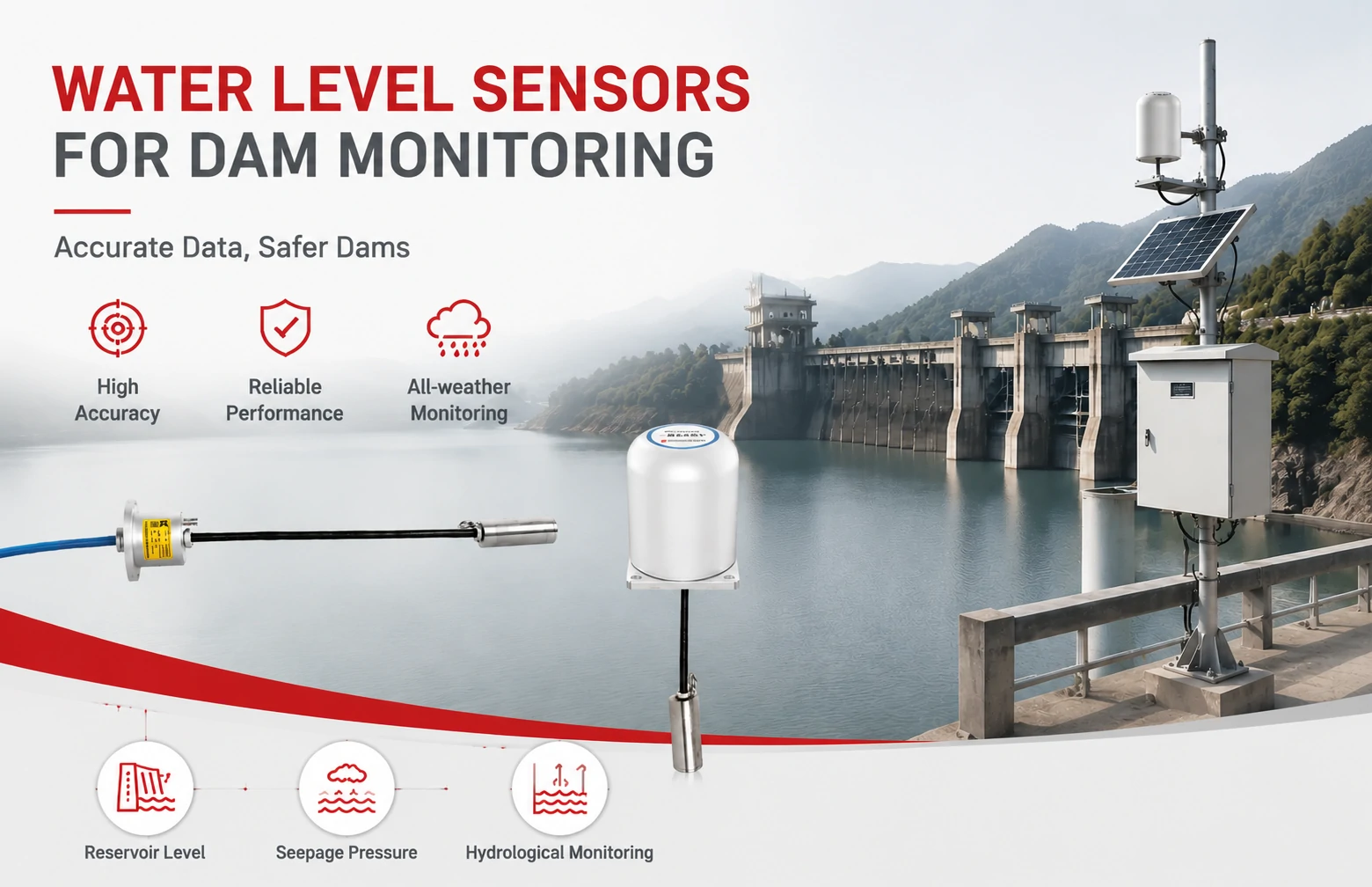
Kingmach Water Level Sensors for Dam Monitoring: A Buyer's Guide to Differential Pre...
Products
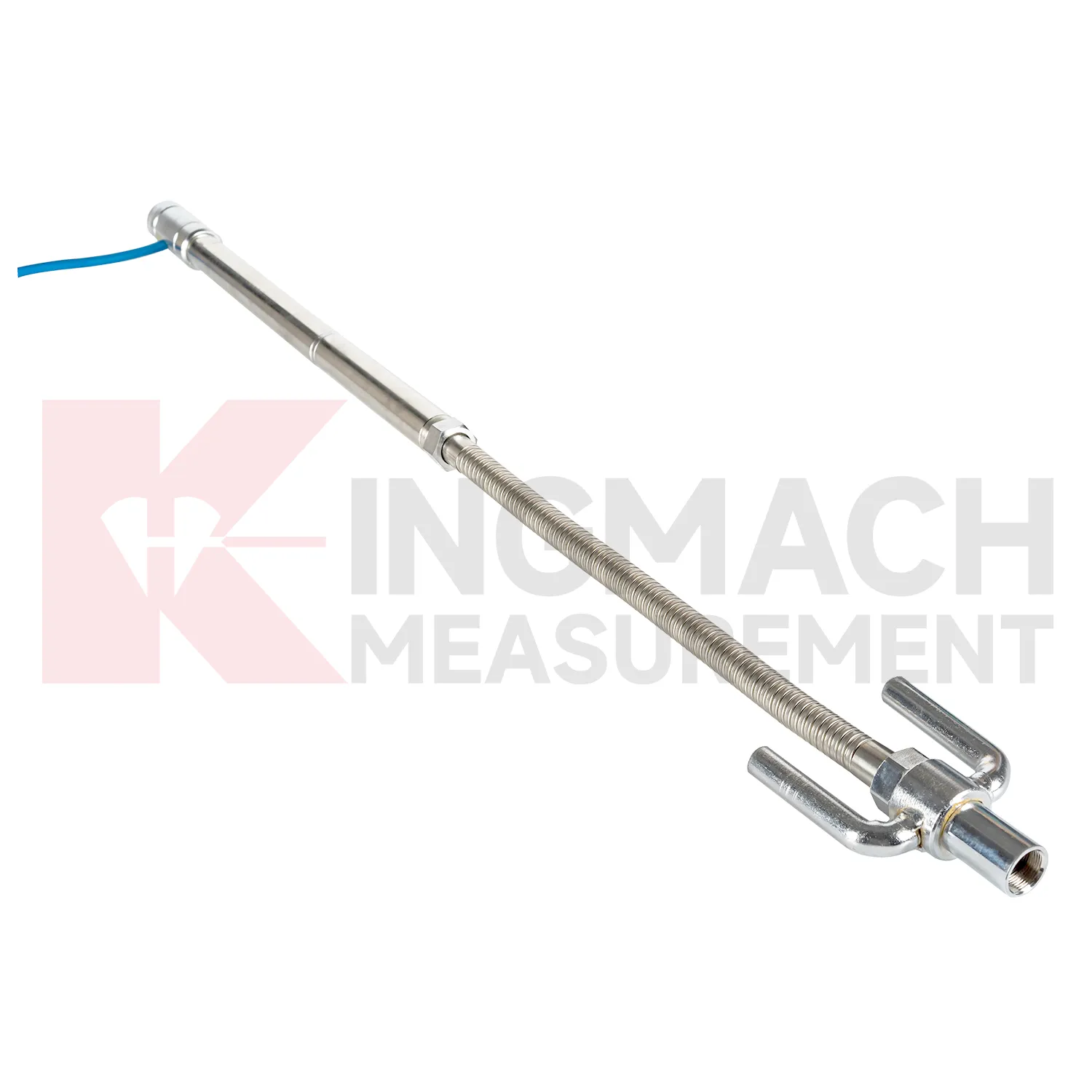
Smart Single-Point Settlement Gauge JMDL-47XXAT
View Details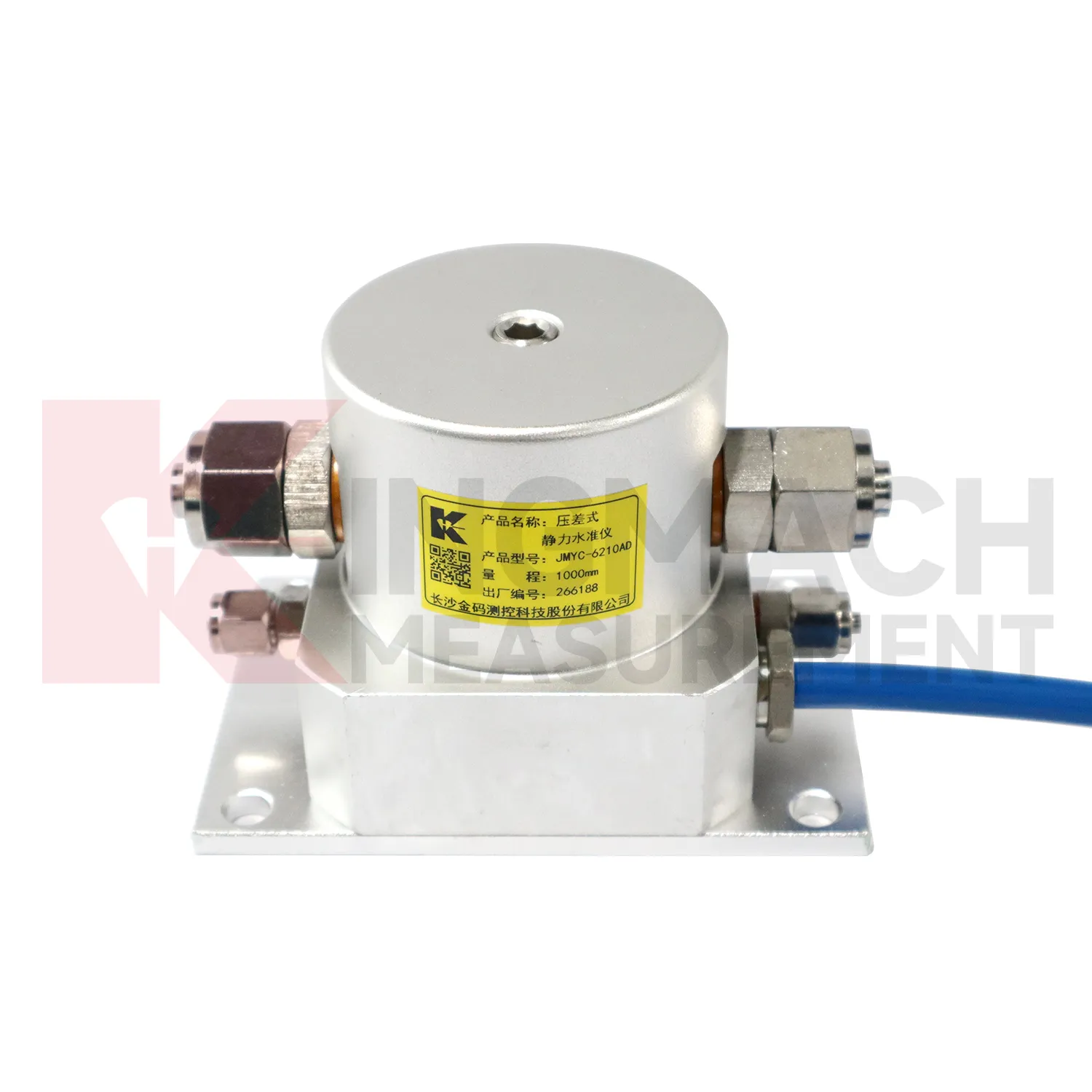
Wide-Range Differential Pressure Hydrostatic Level Sensor JMYC-62XXAD
View Details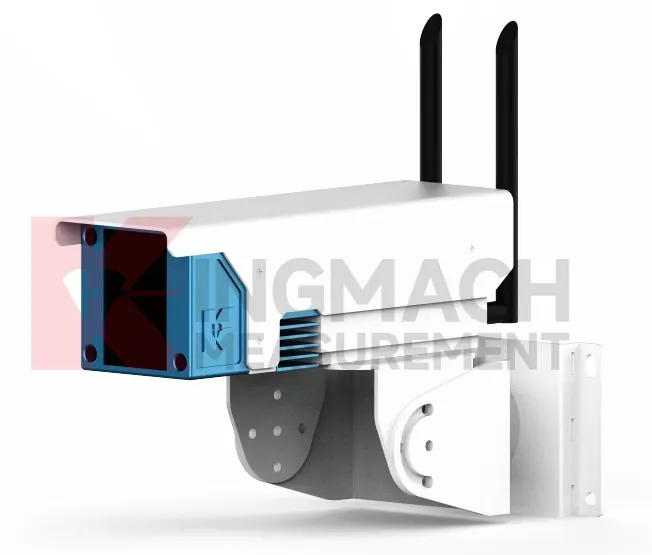
FAQ
They provide linear potentiometric, vibrating wire, and LVDT-based deflectometers. Each type suits different needs: potentiometric units are cost-effective for short-term tests, vibrating wire sensors offer long-term stability for remote monitoring, and LVDT models deliver high resolution for precise structural measurements.
Yes, most models come with IP67 or IP68 rated housings. For highly corrosive settings, you can request stainless steel bodies or special coatings. It’s always best to discuss your site conditions so the right protection level can be specified.
Start with the expected displacement: a few millimeters for crack or joint monitoring, up to 50–100 mm for convergence or settlement. The sensor’s range should comfortably exceed the predicted movement to avoid over-ranging. If you’re unsure, Kingmarch’s application engineers can help review your project parameters.
Most units output standard analog signals (4-20 mA, 0-5 V) or digital RS-485, which are widely accepted. They also supply wiring diagrams to simplify integration with popular monitoring systems.
Each sensor ships with a calibration certificate traceable to national standards. Annual recalibration is recommended for critical monitoring, and Kingmarch offers this through their service centers. On-site calibration verification can also be arranged.
Share your product type, target capacity, and application requirements. Our team can review the details and recommend a practical next step.
If you are interested in our products or want to become our partner.
Please leave your contact information, our team will contact you as soon as possible.
Mail: [email protected]
Contact Us: +8613808434127
Address: No. 188 Tongzipo West Rd, Changsha, Hunan, China