
 EN
EN
 ar
ar bg
bg hr
hr cs
cs da
da nl
nl fi
fi fr
fr de
de el
el hi
hi it
it ko
ko no
no pl
pl pt
pt ro
ro ru
ru es
es sv
sv tl
tl iw
iw id
id lv
lv lt
lt sr
sr sk
sk sl
sl uk
uk vi
vi et
et hu
hu th
th tr
tr fa
fa ms
ms hy
hy ka
ka ur
ur bn
bn mn
mn ta
ta kk
kk uz
uz ku
ku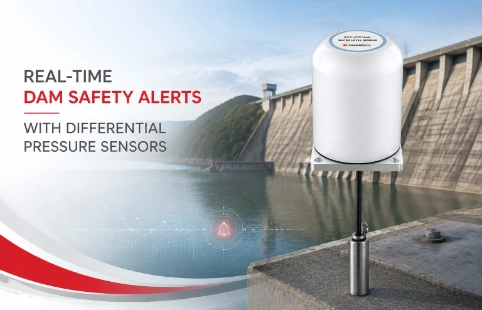
Real-Time Dam Safety Alerts with Differential Pressure Water Level Sensors
Key Takeaways An alert chain needs more than a sensor: define field in...

Measurement of Strain Using Strain Gauges – Kingmach
Measuring strain with strain gauges is a routine step in geotechnical monitoring, but getting clean data isn't always straightforward. Before a sensor is even placed, engineers need to weigh factors like material compatibility, temperature effects, and long-term drift. In dam safety or tunnel lining projects, these decisions directly affect whether cracks or stress concentrations are caught early. Kingmach supplies instruments designed to simplify that process. Our vibrating wire strain gauges, for instance, are often chosen for their long-term stability in concrete structures, while surface-mount models work well for steel members. We've seen projects where standard catalog sensors couldn't handle highly alkaline groundwater, so we built customized versions with extra encapsulation. That kind of flexibility matters when a monitoring program has to run for years. This article outlines the basics of strain gauge-based measurement and shares insights from field applications where Kingmach instruments have been used. Whether you're setting up a new monitoring program or troubleshooting an existing one, feel free to reach out—we're happy to discuss what we've learned.
Technical Detail
Strain measurement using strain gauges is at the core of many structural health monitoring programs. The choice of gauge type, installation method, and data interpretation can make or break the quality of the dataset. At Kingmach, we've spent years supplying geotechnical instruments, and one thing our customers consistently ask for is reliability over long periods—our vibrating wire strain gauges are built with that in mind. A typical Kingmach vibrating wire strain gauge consists of a tensioned steel wire clamped to the structural element. As strain deforms the gauge body, the wire's resonant frequency changes, and a readout unit converts that to strain. Because the frequency signal is inherently digital, it's less susceptible to cable resistance errors than resistive gauges, which is an advantage in remote monitoring sites with long cable runs. Each gauge includes a thermistor for temperature correction, and the body is sealed against moisture ingress—a must for buried installations in soil or concrete. Our product range covers both embedment and surface-mount types. Embedment gauges are often cast into concrete piles or mass concrete pours to track strain during curing and loading. Surface gauges bolt onto steel beams, tunnel linings, or pipeline walls. For applications where the standard designs don't fit, we offer customization: different gauge lengths, mounting brackets, or even corrosion-resistant alloys for marine environments. We've also supplied strain gauges with integrated protection tubes that allow cable replacement without excavation, which can be a lifesaver in busy urban tunnels. Data from these sensors feeds into automated monitoring systems, and Kingmach provides support for integration with third-party data loggers. If you need help selecting the right gauge for a specific spot—say, a rockbolt in a mine or a temporary support in a deep excavation—our team can assist with load calculations and sensor placement plans. We also offer post-installation training and troubleshooting, drawing on feedback from our global distribution network.
News
Key Takeaways An alert chain needs more than a sensor: define field in...
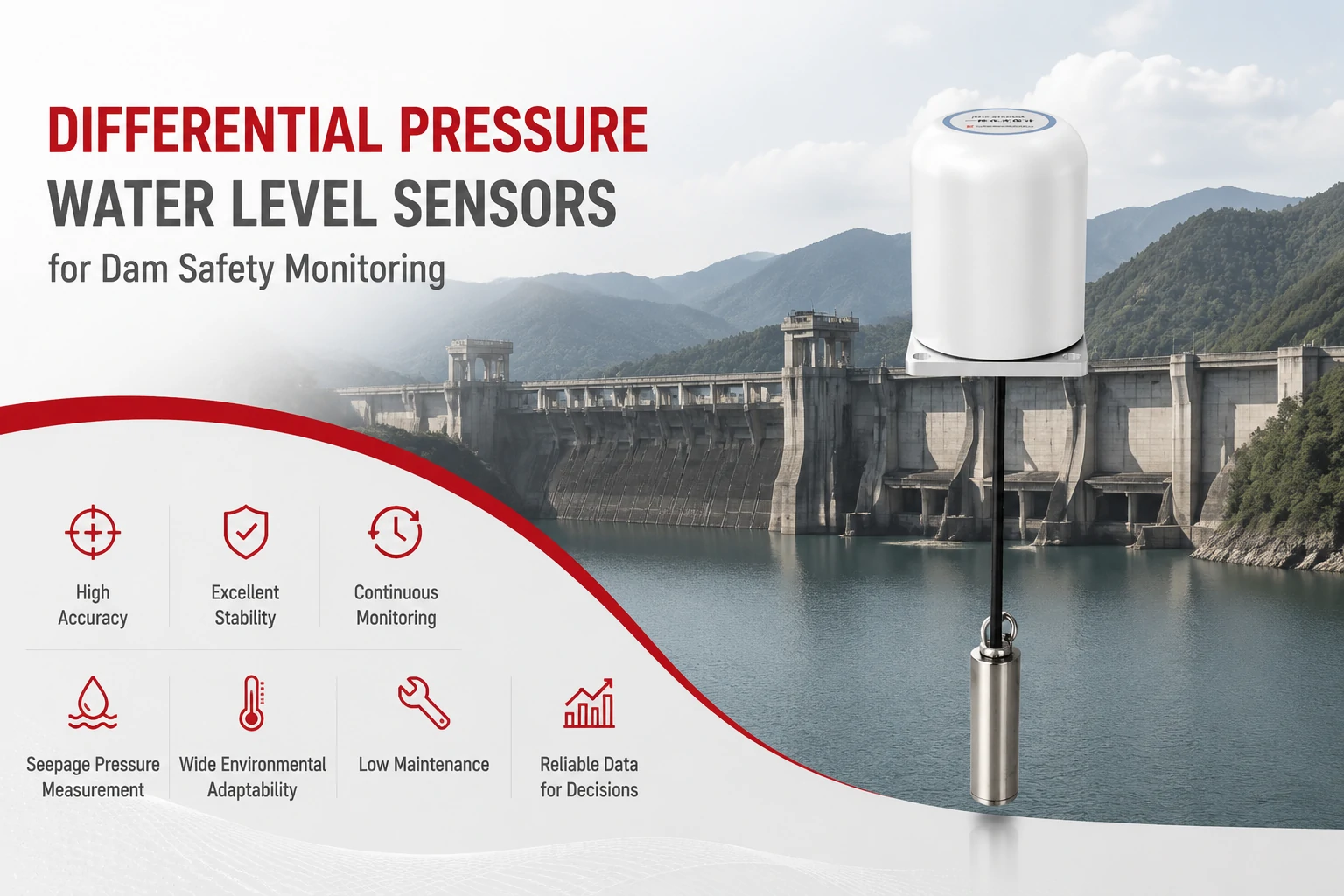
Key Takeaways The strongest fit is usually a confined, submerged, or s...
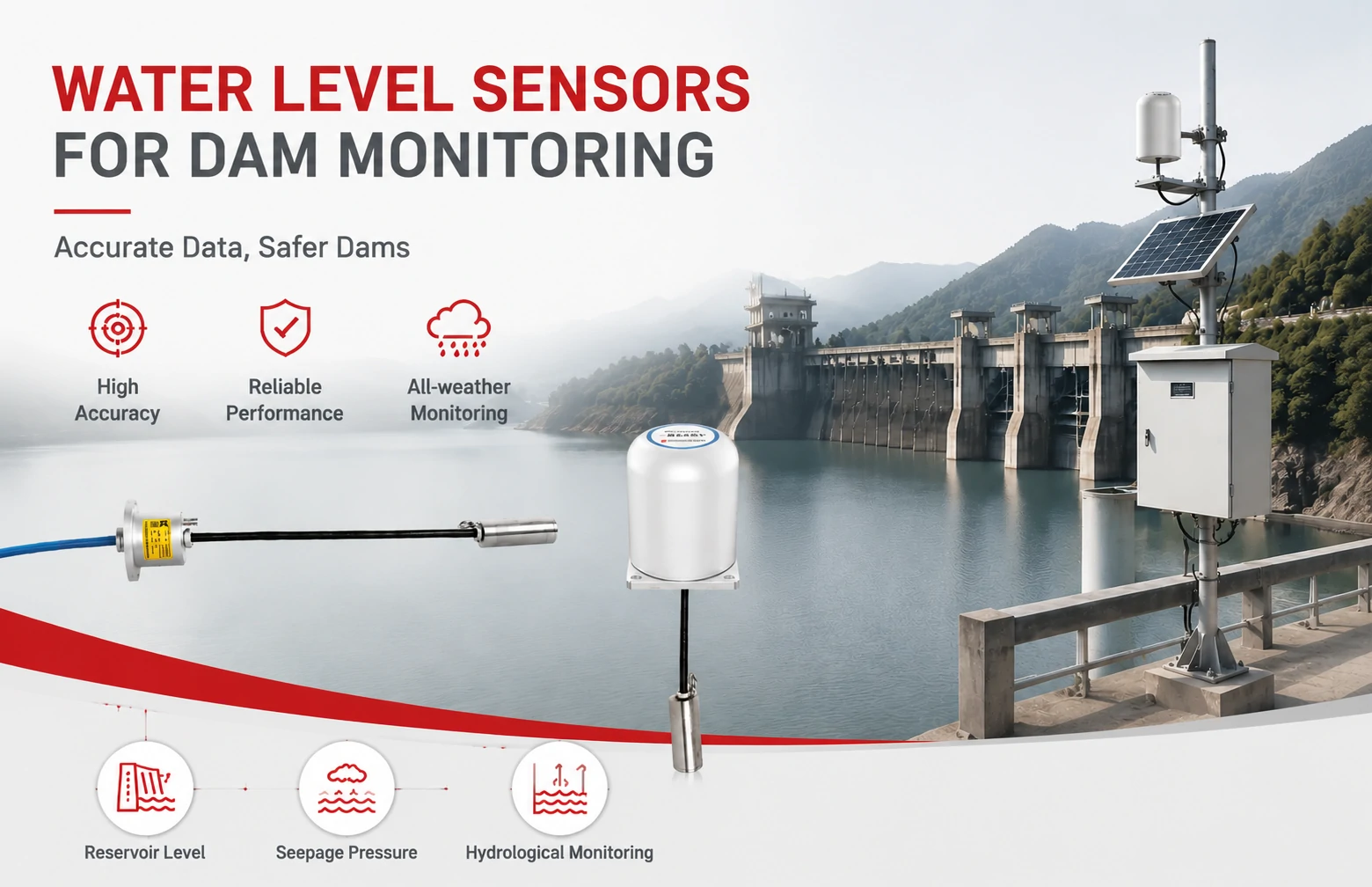
Kingmach Water Level Sensors for Dam Monitoring: A Buyer's Guide to Differential Pre...
Products
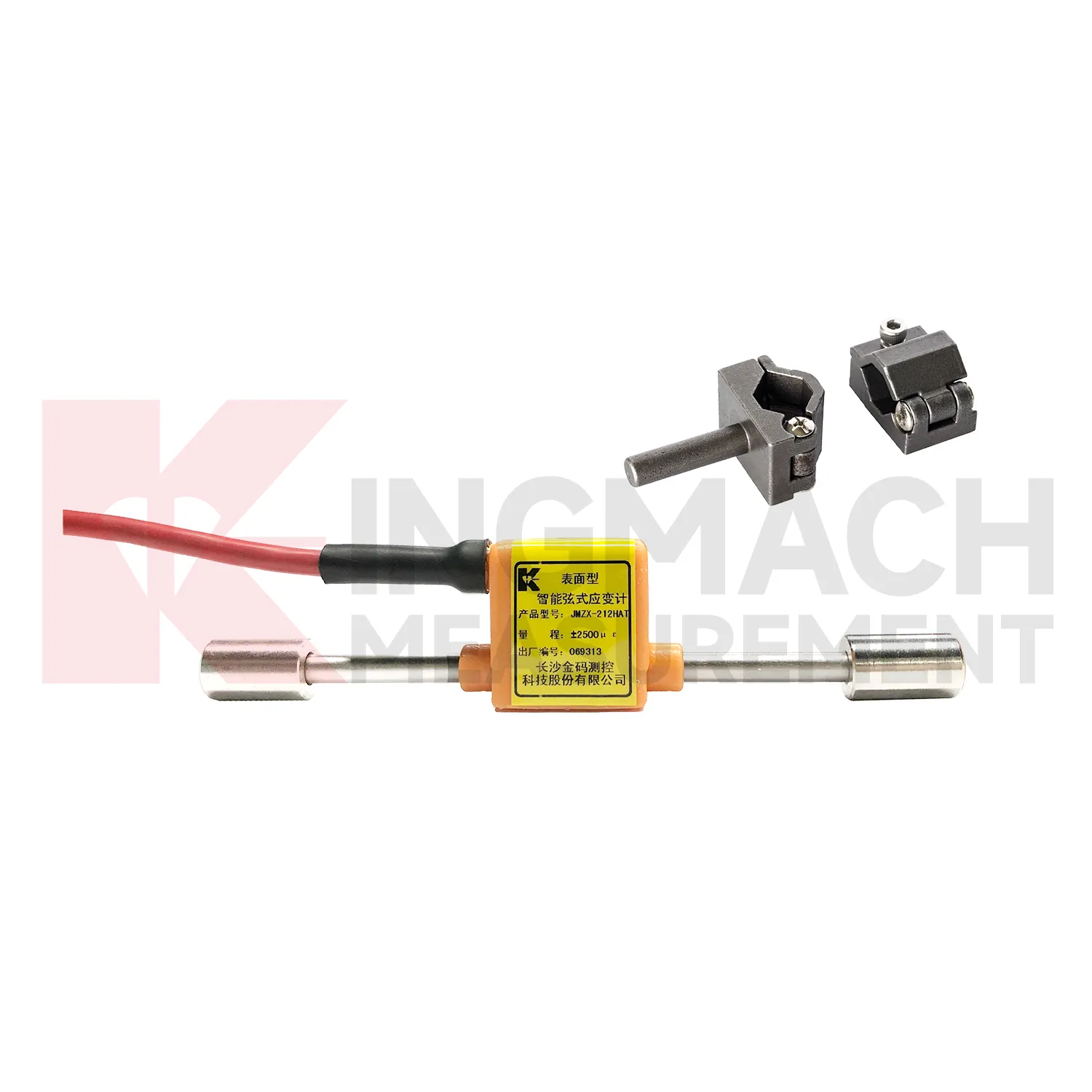
Smart vibrating wire strain gauge (surface model) JMZX-212HAT/HB
View Details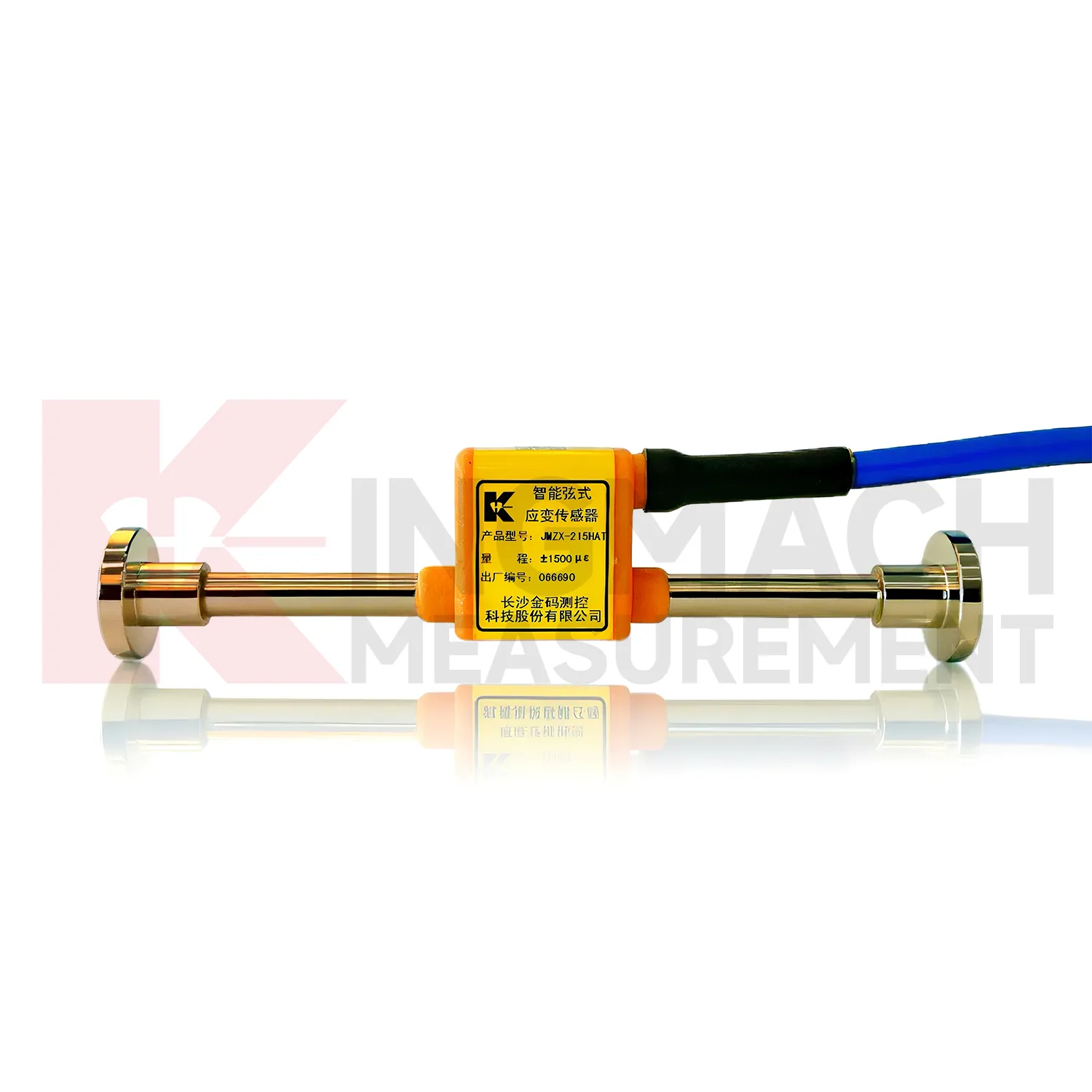
Smart vibrating wire strain gauge (embedment model) JMZX-215HA/215HAT/HB
View Details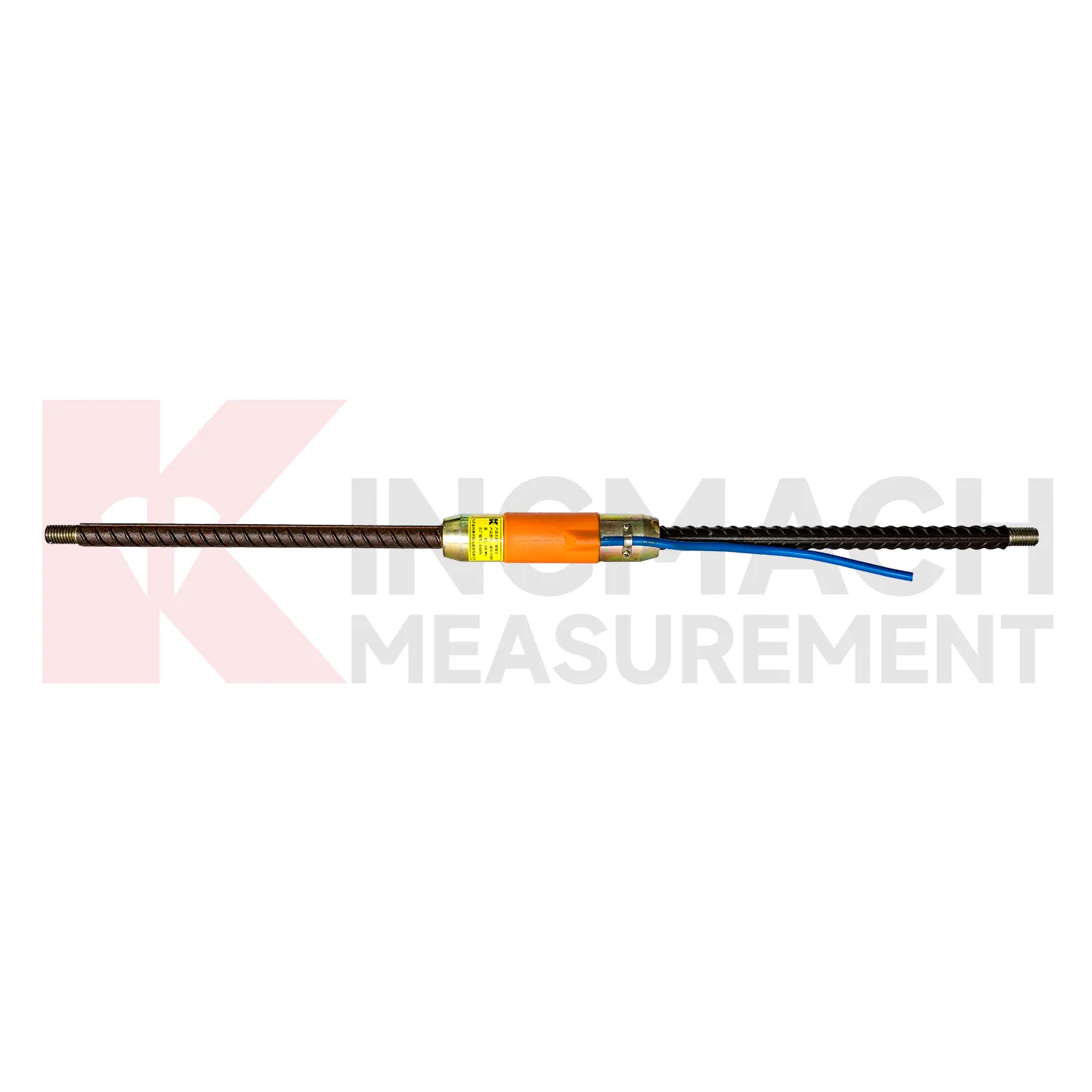
Rebar Strainmeters ( VW & Smart Type) JMZX-4XXHAT/HB
View DetailsFAQ
Vibrating wire gauges output a frequency signal, which is less affected by cable resistance over long distances. They also tend to drift less over years. Resistive gauges are cheaper upfront but require careful wiring and temperature compensation. For long-term geotechnical monitoring, vibrating wire is often the preferred choice.
You can do both. Surface-mount strain gauges are designed for retrofitting onto existing concrete or steel. We provide mounting hardware and epoxy adhesives. Embedment gauges are placed before pouring concrete. If you're retrofitting, surface preparation is key—remove paint, rust, and uneven spots to get a good bond.
Temperature changes cause the structure and the gauge to expand or contract, which adds apparent strain. Our gauges have a built-in thermistor, so you can subtract the thermal output from the reading. We also test each gauge's thermal coefficient and include it in the calibration sheet, so you can apply corrections accurately.
For properly installed vibrating wire gauges, maintenance is minimal. We recommend periodic checks to make sure the cable connections are dry and undamaged. If a gauge is accessible, you can verify the frequency reading against the installation baseline. In corrosive environments, check the seal integrity annually.
Yes, that's a big part of what we do. Send us the project details—material, environment, expected strain range, and whether it's short-term or long-term monitoring—and we'll suggest a suitable model. We can also customize if your conditions are unusual. Our support team can assist before and after purchase.
Share your product type, target capacity, and application requirements. Our team can review the details and recommend a practical next step.
If you are interested in our products or want to become our partner.
Please leave your contact information, our team will contact you as soon as possible.
Mail: [email protected]
Contact Us: +8613808434127
Address: No. 188 Tongzipo West Rd, Changsha, Hunan, China