
 EN
EN
 ar
ar bg
bg hr
hr cs
cs da
da nl
nl fi
fi fr
fr de
de el
el hi
hi it
it ko
ko no
no pl
pl pt
pt ro
ro ru
ru es
es sv
sv tl
tl iw
iw id
id lv
lv lt
lt sr
sr sk
sk sl
sl uk
uk vi
vi et
et hu
hu th
th tr
tr fa
fa ms
ms hy
hy ka
ka ur
ur bn
bn mn
mn ta
ta kk
kk uz
uz ku
ku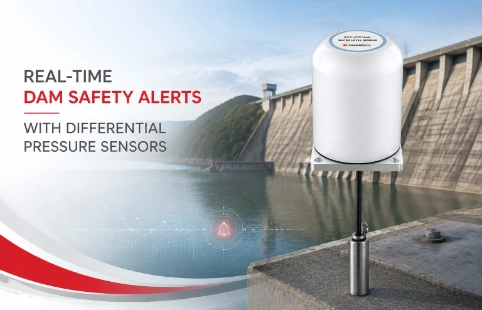
Real-Time Dam Safety Alerts with Differential Pressure Water Level Sensors
Key Takeaways An alert chain needs more than a sensor: define field in...

Wind Speed and Direction Sensor for Field Monitoring
Wind speed and direction sensors matter when your project site is exposed, and data consistency isn’t a given. Kingmach supplies sensors that work with the rest of your monitoring setup—no guessing if the output will match your logger’s input. Because we build geotechnical instruments full-time, we’ve seen how a sensor that’s off by a few degrees can throw off slope stability models or ventilation assumptions. This page lays out what you get when you ask us about wind monitoring: no generic specs pulled from a catalog, but a sensor configured for the way you collect data.
Technical Detail
Kingmach’s wind speed and direction sensors are built around a simple idea: if you’re already measuring tilt, pressure, or vibration at a site, why add another supplier for wind data? Our sensors use proven mechanical or ultrasonic principles depending on what the project demands, and we match output signals to your existing data acquisition system—RS-485, 4–20 mA, SDI-12, whatever you need. That handshake between sensor and logger sounds basic, but it’s the sort of thing that goes wrong when you mix brands. We handle it in-house because we make the sensor and understand the rest of the monitoring chain. The body is a compact alloy or stainless steel, sealed against dust and heavy rain. Bearings are low-friction; the vane and cups are stiff enough that a gust doesn’t turn into a wobble. We’re not claiming it’s indestructible, but we have units that have been up on tower legs for five years with nothing more than a wipedown at inspection time. If your site has salt spray or industrial fallout, we can discuss coatings or materials that reduce the need for constant cleaning. Since most wind monitoring happens at the edge of a network, power draw matters. In low-power mode, the sensor sips milliamps, letting solar and battery setups hold through overcast days. We also offer heated versions where frost or snow would otherwise lock a mechanical sensor solid. That’s not an add-on you have to hack together; it’s a factory option. Behind the hardware, we’re set up to customize. Standard cable lengths are fine for test setups, but real sites need 30, 50, maybe 80 meters of cable. We’ll terminate it, test the signal integrity, and ship it ready to plug in. Documentation stays straightforward: a wiring diagram, a calibration certificate, and a quick note about mounting orientation. You won’t get a 40-page manual that’s half legal disclaimers. If something isn’t performing as expected, we’ll help troubleshoot before you start the return process. That’s just how we handle after-sales—same team that built your sensor answers the phone.
News
Key Takeaways An alert chain needs more than a sensor: define field in...
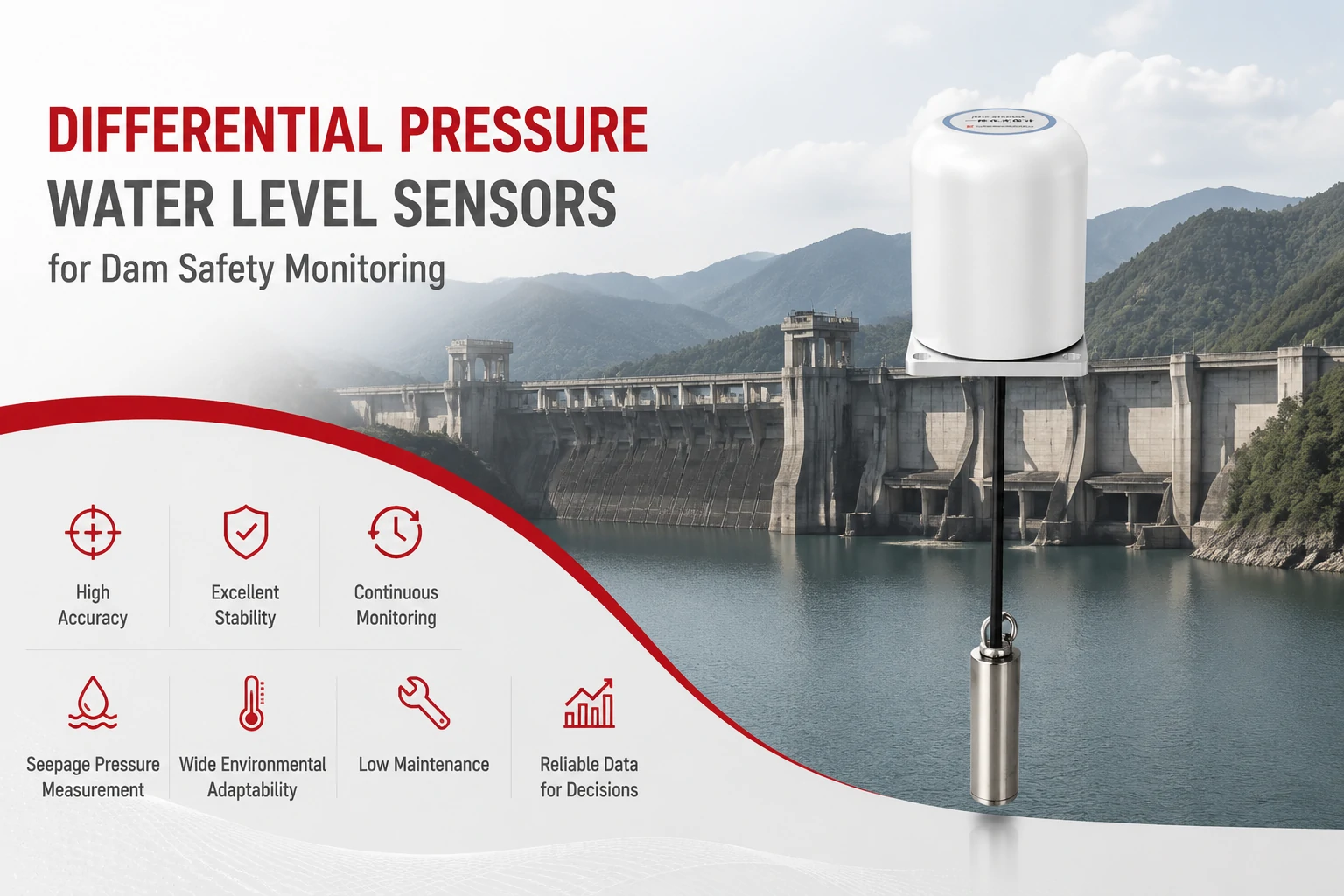
Key Takeaways The strongest fit is usually a confined, submerged, or s...
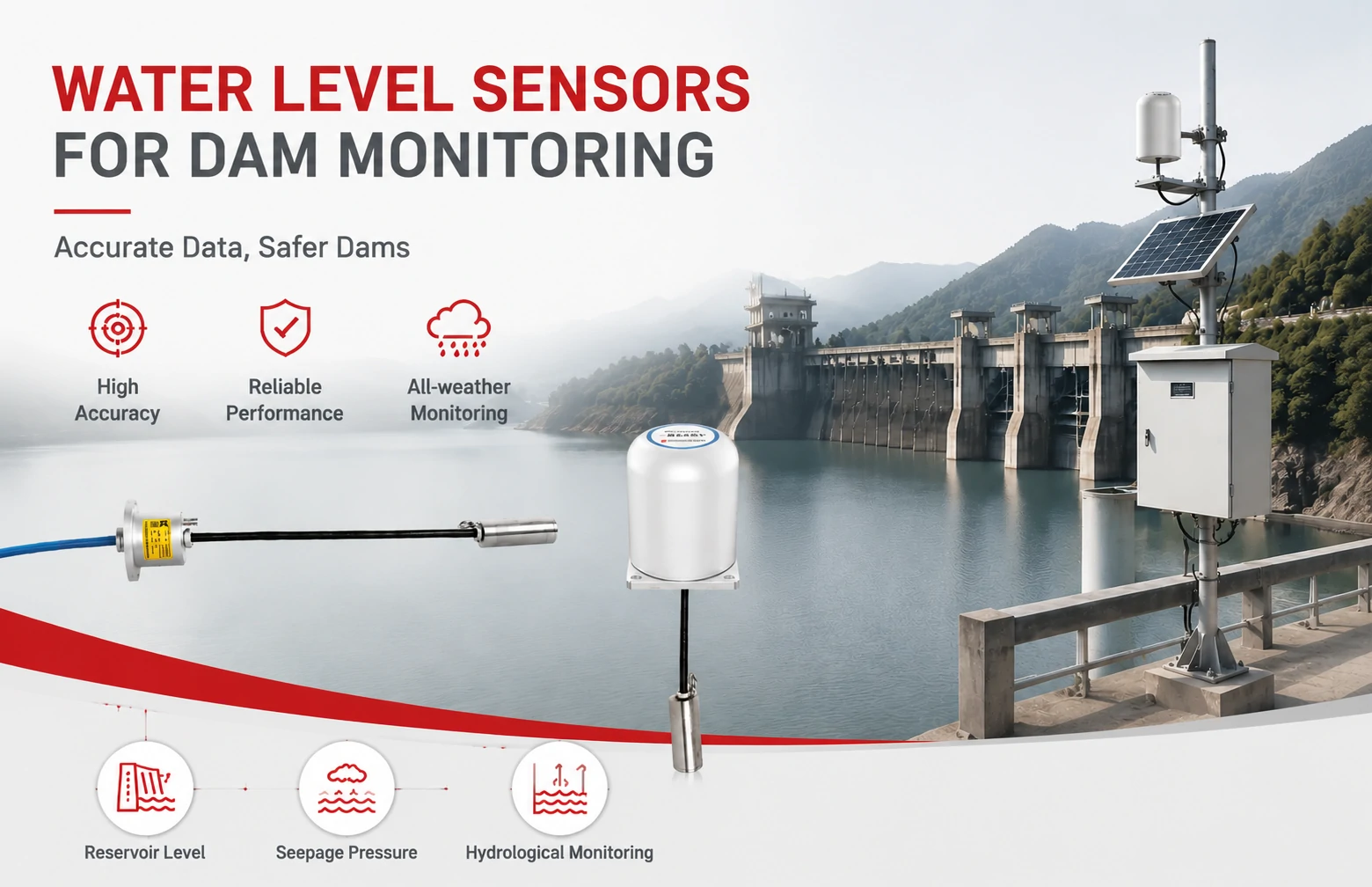
Kingmach Water Level Sensors for Dam Monitoring: A Buyer's Guide to Differential Pre...
Products
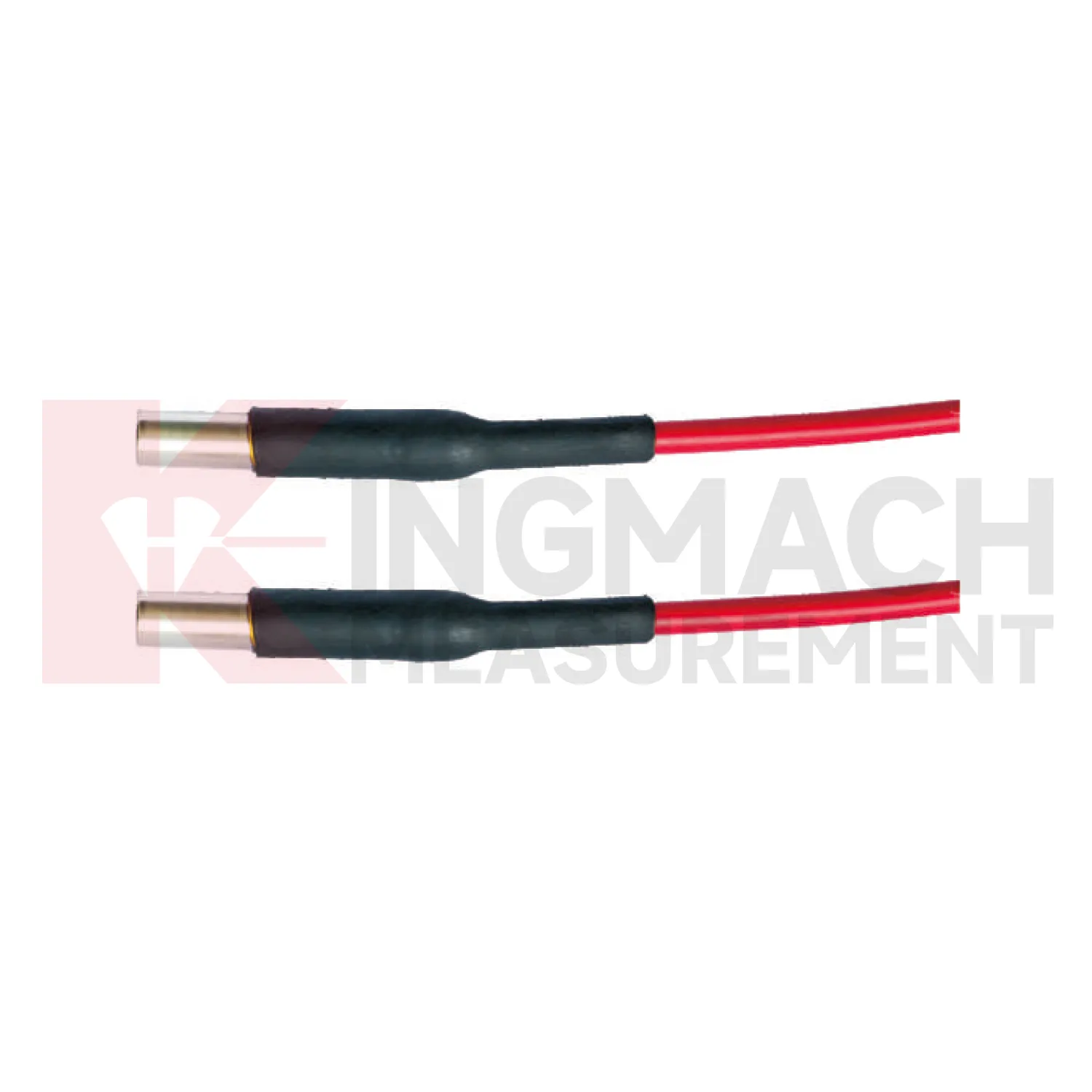
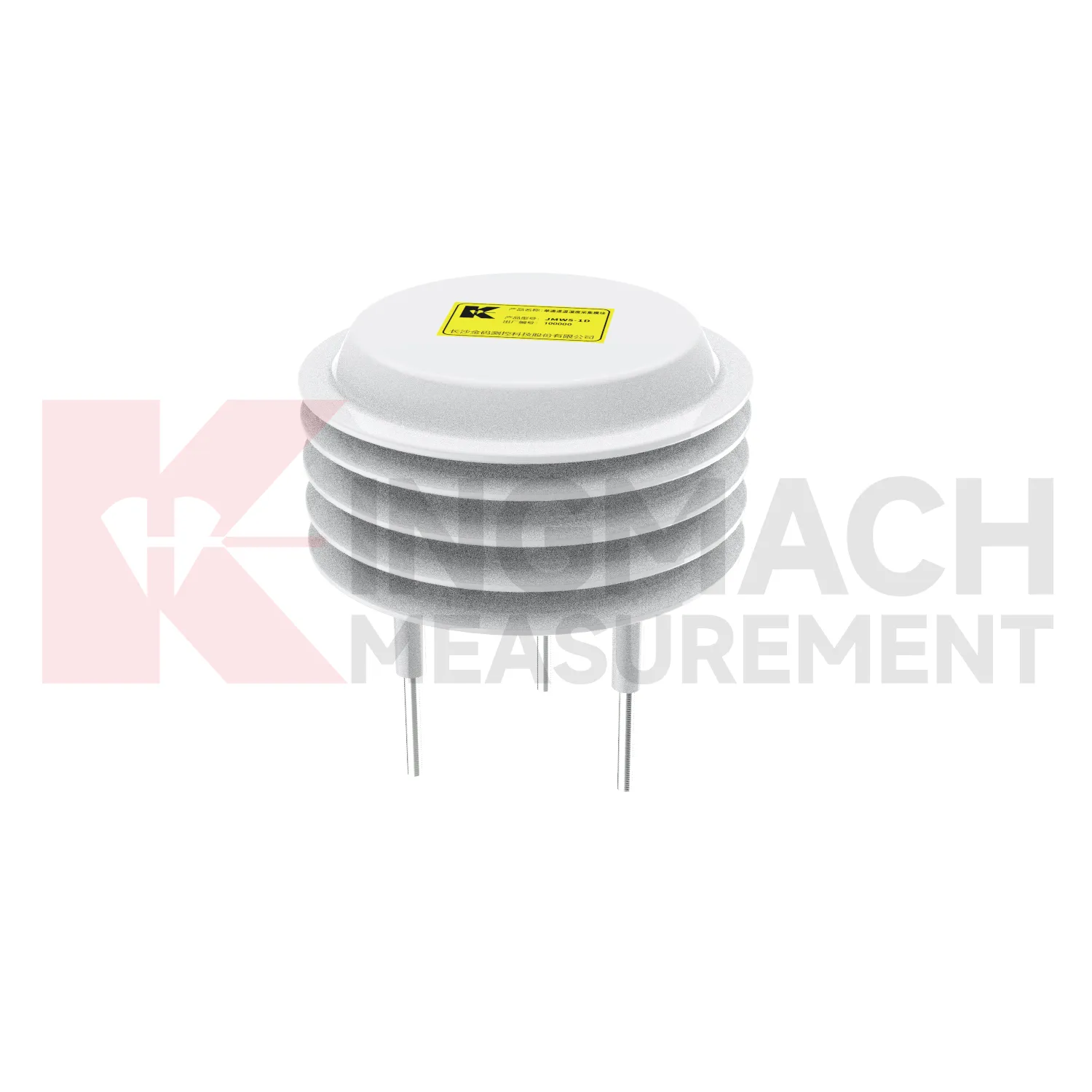
Single-Channel Temperature and Humidity Acquisition Module JMWS-1D
View DetailsFAQ
Mechanical sensors use a cup for speed and a vane for direction. They’re simpler and less expensive. Ultrasonic sensors measure both with no moving parts, giving faster response and no friction drift, but they cost more and need clean power. At Kingmach, we ask about your sampling rate and environmental conditions first. If you need a reading every second and the site gets dust or freezing rain, ultrasonic might avoid maintenance headaches. If you’re logging every 10 minutes on a tight budget, a mechanical sensor does the job.
Yes—if you tell us the logger make and model. We set the sensor’s output to match. Most loggers accept 4–20 mA, pulse, or RS-485, and we can provide any of those. Digital outputs give you direction as a degree value; analog outputs might need a conversion formula in your logger program, which we supply. If you’re unsure, send us a snippet of your logger’s input specs and we’ll confirm compatibility.
The standard housing is sealed to IP65 or better, so rain and snow won’t get into the electronics. For coastal or de-icing salt exposure, we can use 316 stainless steel instead of aluminum, and specify sealed bearings. If ice is a concern, the heated version prevents buildup that would stall the cups or vane. We’ve had sensors at high-altitude weather stations where the main issue was wind-blown grit eroding the cups over time; replacing a cup set is simpler and cheaper than replacing the whole sensor, and we stock spare parts.
Mechanical sensors typically deliver ±0.5 m/s for speed and ±3° for direction, once mounted properly. Ultrasonic sensors can reach ±0.2 m/s and ±2°. But real-world accuracy depends heavily on mounting—nearby structures, the height of the tower, and whether the sensor is level. We include a bubble level on the mounting base to help. Keep in mind that turbulent airflow around a building can introduce more error than the sensor itself; we often advise mounting at least a couple of meters above the highest obstruction.
Yes. Standard cable is 5 meters, but we regularly supply lengths up to 100 meters with weather-resistant jackets and molded connectors. If your setup uses a weatherproof junction box, we can terminate the cable with ring terminals or a terminal block instead of a connector. Let us know the exact run distance and we’ll check if signal amplification is needed—for digital signals, it usually isn’t.
Share your product type, target capacity, and application requirements. Our team can review the details and recommend a practical next step.
If you are interested in our products or want to become our partner.
Please leave your contact information, our team will contact you as soon as possible.
Mail: [email protected]
Contact Us: +8613808434127
Address: No. 188 Tongzipo West Rd, Changsha, Hunan, China