
 EN
EN
 ar
ar bg
bg hr
hr cs
cs da
da nl
nl fi
fi fr
fr de
de el
el hi
hi it
it ko
ko no
no pl
pl pt
pt ro
ro ru
ru es
es sv
sv tl
tl iw
iw id
id lv
lv lt
lt sr
sr sk
sk sl
sl uk
uk vi
vi et
et hu
hu th
th tr
tr fa
fa ms
ms hy
hy ka
ka ur
ur bn
bn mn
mn ta
ta kk
kk uz
uz ku
ku
rosette strain gauges
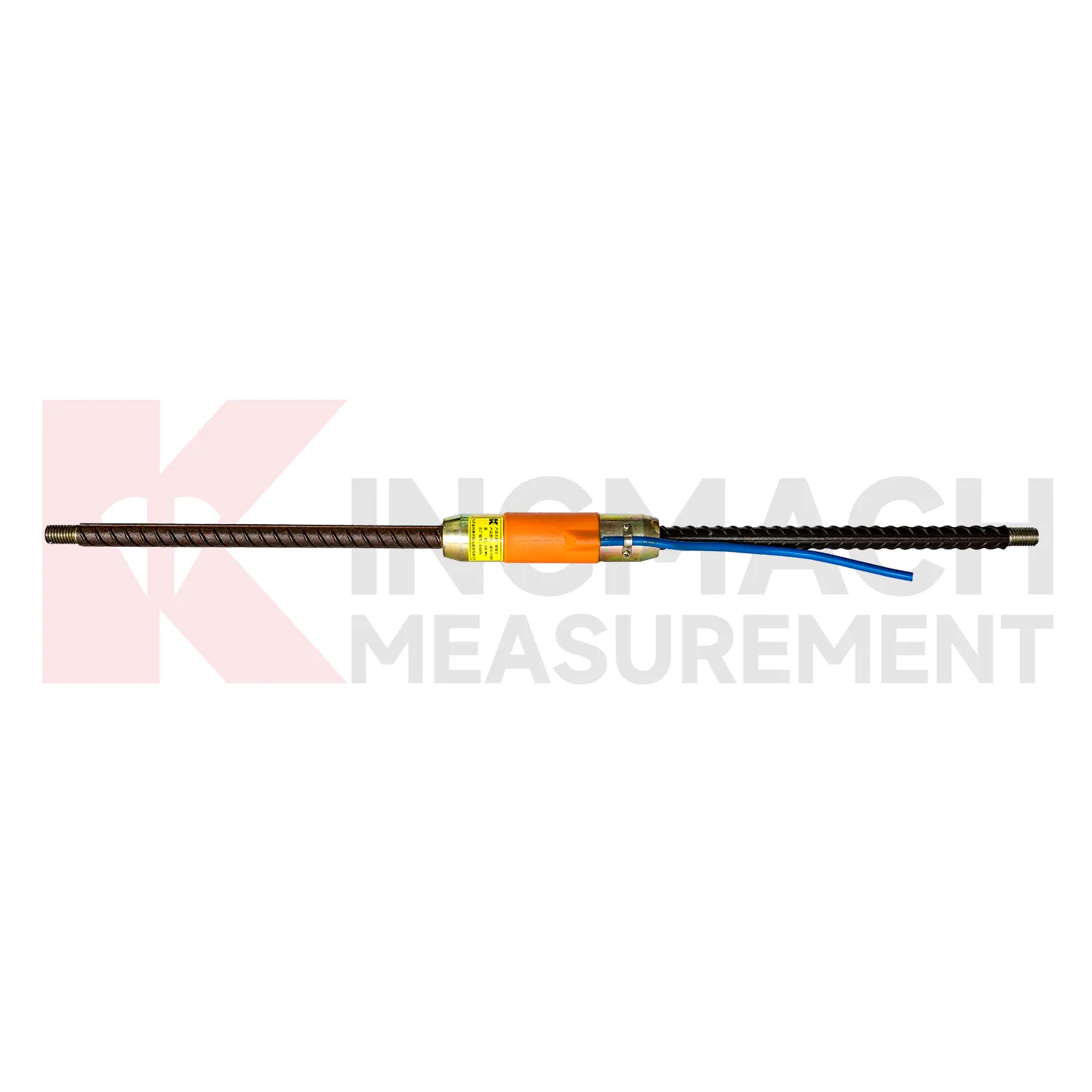
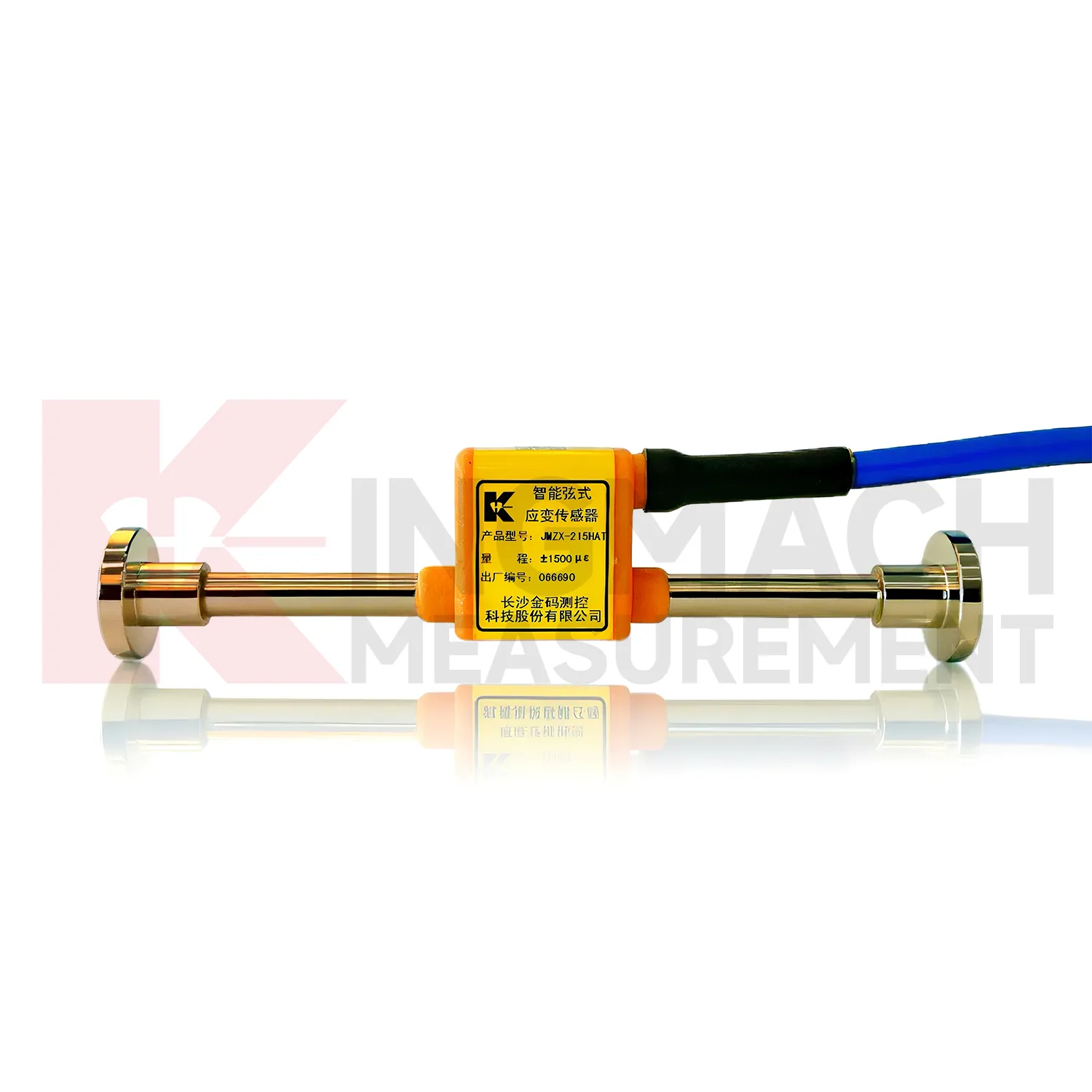
Kingmach {keyword} covers several installation forms for concrete and steel monitoring. The JMZX-215HA/215HAT/HB embedded model is tied to structural rebar or fixed on a mounting bracket before concrete pouring, then used after the concrete reaches the required strength. It is suitable for internal strain measurement in bridges, tunnels, dams, underground structures, piles, and concrete members where surface access is limited. Product parameters include a ±1500 microstrain standard range, 0.5%F.S. strain precision, 0.1 microstrain resolution, and a 146 mm gauge length. The built in high performance exciter uses pulse excitation, giving fast test speed and stable vibrating wire frequency transmission over long distances. A fully sealed stainless steel structure provides waterproof durability up to 150 meters. Kingmach also supports automated acquisition, so the sensor can be used in unattended long term monitoring instead of manual reading only. For projects that need traceable readings, these parameters matter because the sensor may be buried in concrete, fixed on steel, or connected to an unattended data logger for months or years. The combination of range, resolution, waterproofing, and temperature data helps engineers decide where the model fits. That is why model data, calibration values, and channel labels should travel with the product from procurement to commissioning.
Application of rosette strain gauges
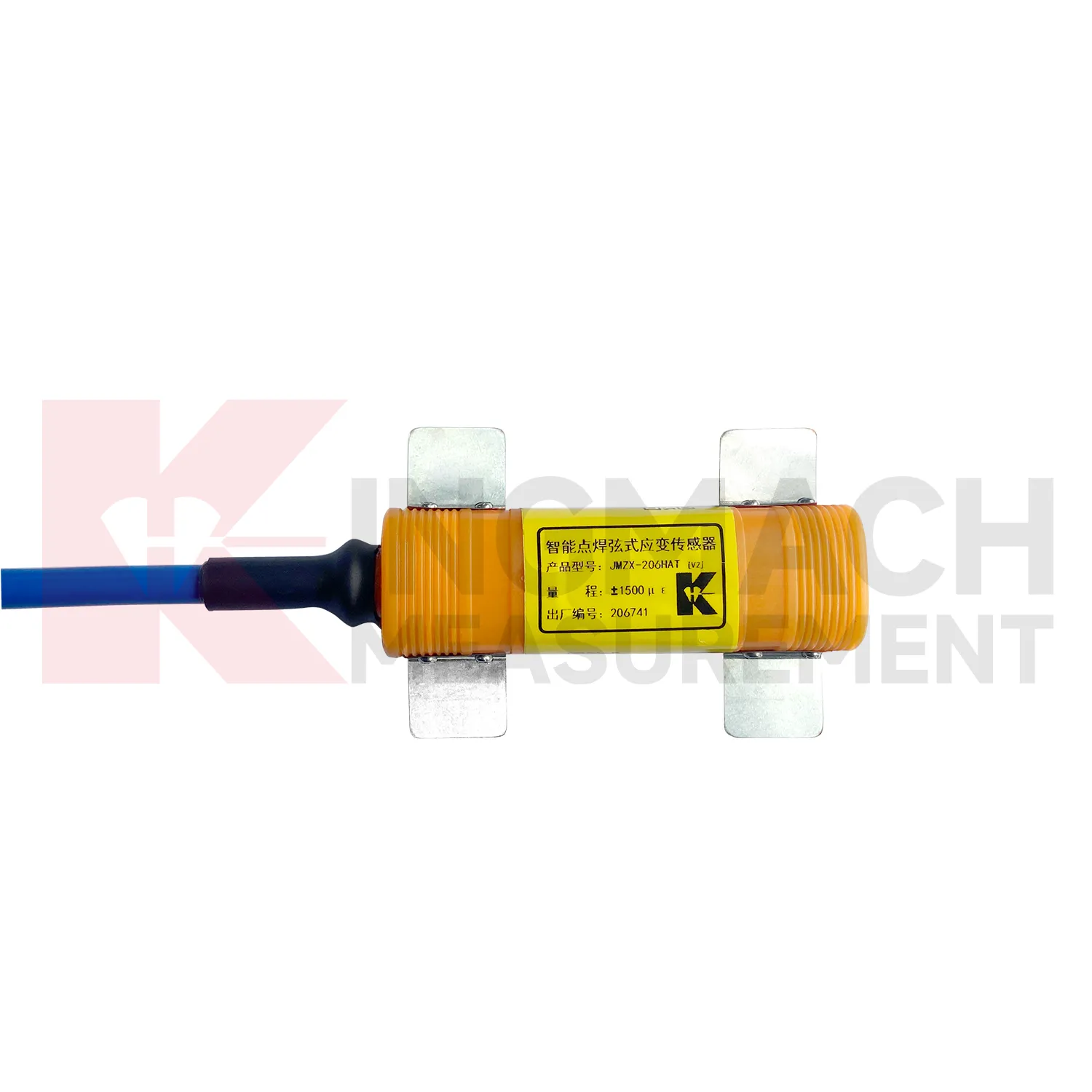
In tunnel engineering, {keyword} helps monitor lining stress, segment response, support force, and strain changes caused by excavation, ground pressure, water pressure, or nearby construction. Tunnel monitoring often faces damp air, dust, limited access, and long cable runs. Kingmach embedded strain gauges such as JMZX-215HA/215HAT/HB are installed on rebar or brackets before concrete pouring and provide a ±1500 microstrain range, 0.5%F.S. precision, and 0.1 microstrain resolution. The sealed stainless steel structure has waterproof durability up to 150 meters, which is useful for wet underground conditions. For steel supports or pipes, the JMZX-206HAT welded model can be used on a polished steel surface. The strain record helps engineers judge lining load, support behavior, concrete creep, and whether ground movement is changing the stress path. For this scene, the listed range and resolution help engineers see small changes before they become visible damage. The waterproof and anti interference features also matter because construction sites rarely provide clean laboratory conditions. The same record can support staged construction control, post event inspection, and long term maintenance planning. When data is collected automatically, engineers can compare daily movement instead of relying on occasional manual readings. This gives the project team a better way to separate normal behavior from a change that needs inspection.
The future of rosette strain gauges
In building and underground projects, {keyword} will become more closely tied to construction stage control. Excavation, concrete pouring, temporary support removal, and equipment installation all change strain behavior. Kingmach embedded gauges, rebar strainmeters, and welded gauges can feed readings into automated systems during each stage. Future platforms may connect those readings with BIM models or digital twin views, so engineers can see which member, brace, lining, or reinforcement cage is changing. This is where AI warning analysis can help, provided it uses site events and nearby sensor data rather than a blind alarm threshold. The product direction is clear: more context, better records, and faster field decisions. Digital twin adoption will also increase demand for strain readings that are tied to exact structural locations, not vague channel names or disconnected spreadsheets. The strongest gains will come from cleaner records and faster fault checks. Those improvements fit long term infrastructure monitoring better than one time testing.
Care & Maintenance of rosette strain gauges
For long term monitoring, {keyword} should be checked as part of the whole measurement chain, not only as a sensor body. Kingmach surface and embedded vibrating wire gauges provide 0.1 microstrain resolution and 0.5%F.S. accuracy, but those numbers depend on stable mounting, protected wiring, and correct acquisition settings. During use, review baseline trends, compare nearby channels, and note construction events, traffic changes, or temperature swings. Do not reset the baseline casually after unusual weather or heavy loading. For waterproof models rated to 150 meters, still inspect cable exits and seals because most field failures start at connection points. A clean, named, time stamped record is often the best maintenance tool. This is especially important when the gauge is embedded or welded, because replacement may be difficult after concrete pouring, coating work, rail service, or bridge operation has resumed. Review the channel after major site work. Replace damaged protection before water reaches the connection.
Kingmach rosette strain gauges
{keyword} helps turn the hidden movement of a loaded member into usable engineering data. A bridge girder may flex under traffic, a tunnel lining may respond to ground pressure, and a concrete foundation may shrink or creep during curing. These changes are small, but they matter. Kingmach strain monitoring products are built for this kind of work, with vibrating wire designs, smart acquisition compatibility, and models for surface, embedment, welded, and rebar installation. The same measurement logic also applies when strain readings feed meters, rosettes, load related sensors, or acquisition devices in one monitoring network. What matters is the measured relationship between material deformation and the record that guides inspection, maintenance, and safety review. Whether the monitored point is a vibrating wire sensor, rebar stress meter, or strain based force device, the purpose remains measured structural response. That field record supports later inspection.
FAQ
Q: What is {keyword} used for?
A: It measures strain, reinforcement stress, or force related deformation in structures such as bridges, tunnels, dams, buildings, slopes, rail systems, wind towers, and industrial frames.
Q: Which Kingmach models are related to this product group?
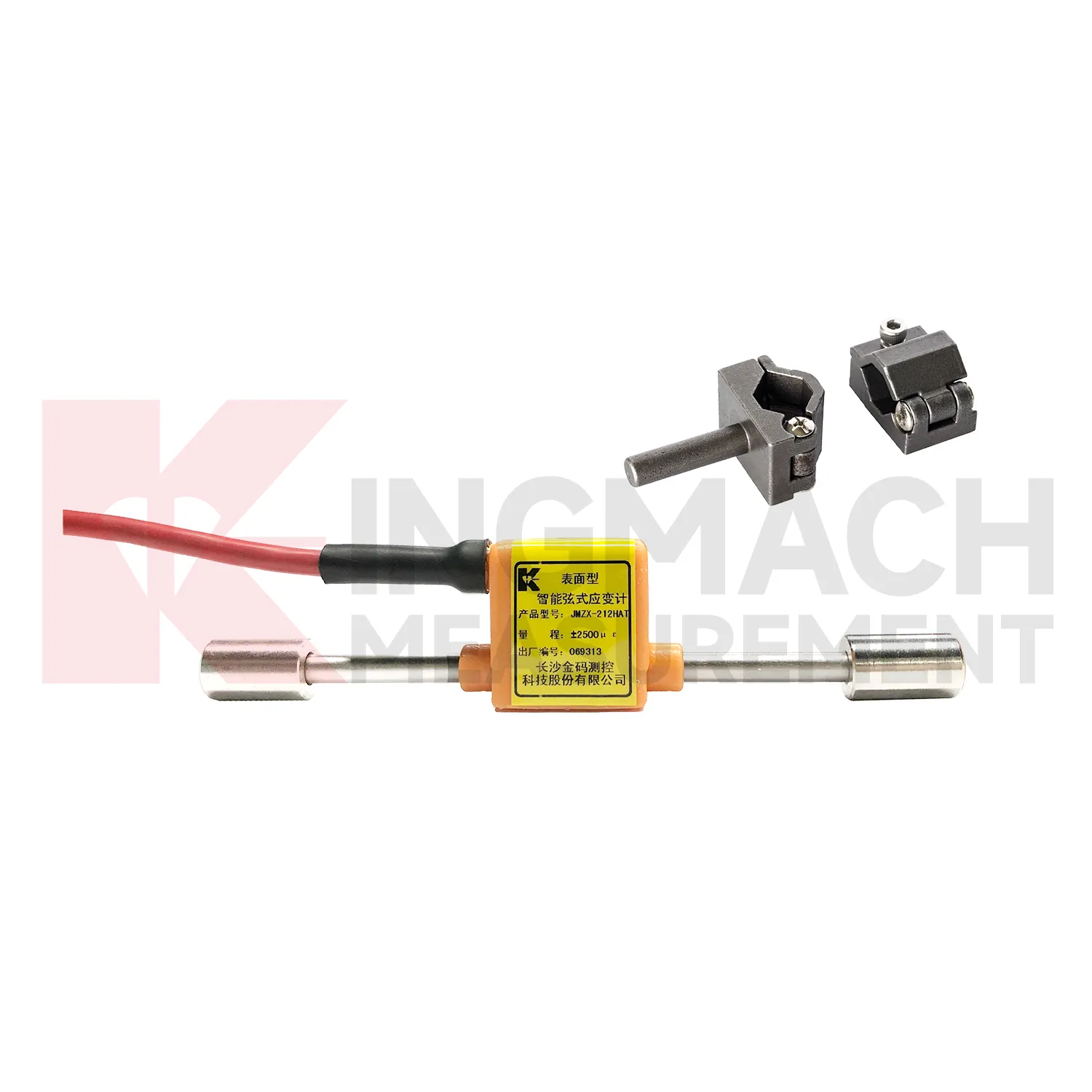
A: Common models include JMZX-212HAT/HB surface gauges, JMZX-215HA/215HAT/HB embedded gauges, JMZX-206HAT welded gauges, and JMZX-4XXHAT/HB rebar strainmeters.
Q: Can it support long term monitoring?
A: Yes. Kingmach vibrating wire models are designed for long term observation and can work with readouts, automated acquisition systems, and monitoring platforms.
Q: What accuracy is available?
A: Several Kingmach strain gauge models list 0.5%F.S. accuracy, with 0.1 microstrain resolution on surface, embedded, and welded strain gauge models.
Q: Is it suitable for wet sites?
A: Yes, selected models use sealed stainless steel structures with waterproof performance up to 150 meters, while rebar strainmeters list 2 MPa waterproof performance.
Reviews
David Wilson
We purchased displacement transducers and settlement sensors, and the quality exceeded our expectations. Easy installation and reliable performance.
Ryan Lewis
Fast delivery and excellent product quality. The accelerometers and tiltmeters are highly reliable. Strongly recommend this company.
Latest Inquiries
To protect the privacy of our buyers, only public service email domains like Gmail, Yahoo, and MSN will be displayed. Additionally, only a limited portion of the inquiry content will be shown.
Charlotte***@gmail.comUnited Arab Emirates
Hi, we require instrumentation cables suitable for harsh environments. Could you advise on specifica...
Isabella***@gmail.comGermany
Hello, we are evaluating weir flow meters for a water management project. Please share accuracy deta...