
 EN
EN
 ar
ar bg
bg hr
hr cs
cs da
da nl
nl fi
fi fr
fr de
de el
el hi
hi it
it ko
ko no
no pl
pl pt
pt ro
ro ru
ru es
es sv
sv tl
tl iw
iw id
id lv
lv lt
lt sr
sr sk
sk sl
sl uk
uk vi
vi et
et hu
hu th
th tr
tr fa
fa ms
ms hy
hy ka
ka ur
ur bn
bn mn
mn ta
ta kk
kk uz
uz ku
ku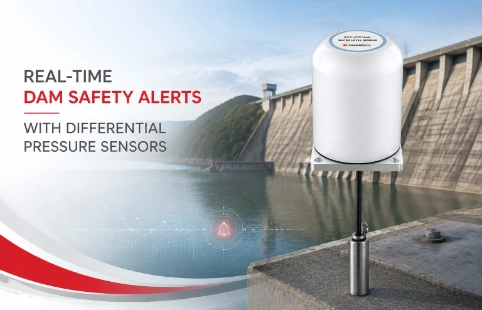
Real-Time Dam Safety Alerts with Differential Pressure Water Level Sensors
Key Takeaways An alert chain needs more than a sensor: define field in...

Inclinometer Probe: Track Slope Movement with Confidence
A slow, creeping slope can fail without visible warning—until an inclinometer probe catches the early signs. These probes are sent down a casing to measure tilt at regular intervals, revealing how much the ground has moved and where. Over time, that data shows whether a landslide is accelerating or a retaining wall is tilting. Kingmach builds inclinometer probes for exactly this kind of work. As a mid-range professional manufacturer, the company focuses on instruments that hold up in the field and give engineers the numbers they need. No flashy extras—just a probe that reads consistently, trip after trip, so you can make decisions before things get expensive.
Technical Detail
An inclinometer probe works by passing through a grooved casing installed in a borehole or embedded in fill. Inside, a MEMS or servo-accelerometer sensor measures tilt from vertical. The resulting profile of cumulative displacement points to shear zones and slide planes. In the field, this means you can watch a slope deform long before it becomes a headline. Kingmach's inclinometer probes are built for daily use in geotechnical monitoring. The probe body is typically stainless steel, sealed against moisture, with a rugged connector that survives being pulled in and out of casings dozens of meters deep. Wheel assemblies are designed to ride smoothly in casing grooves, minimizing signal noise. The probe interfaces with a portable readout or logger that displays digital readings on the spot—no manual conversions needed. Data can be exported for analysis in standard software, making it easier to plot time-displacement curves or compare readings from different survey dates. What sets Kingmach apart is flexibility. The company offers probes in different lengths and sensor ranges to match project requirements, whether you're monitoring a deep excavation or a low-slope embankment. Custom groove spacing or special wheel arrangements are possible for non-standard casings. A global distribution network means you can get support and replacement parts without long lead times, and the technical team helps with setup and troubleshooting. For projects that demand consistent, no-nonsense subsurface monitoring, these probes deliver reliable data without breaking the budget.
News
Key Takeaways An alert chain needs more than a sensor: define field in...
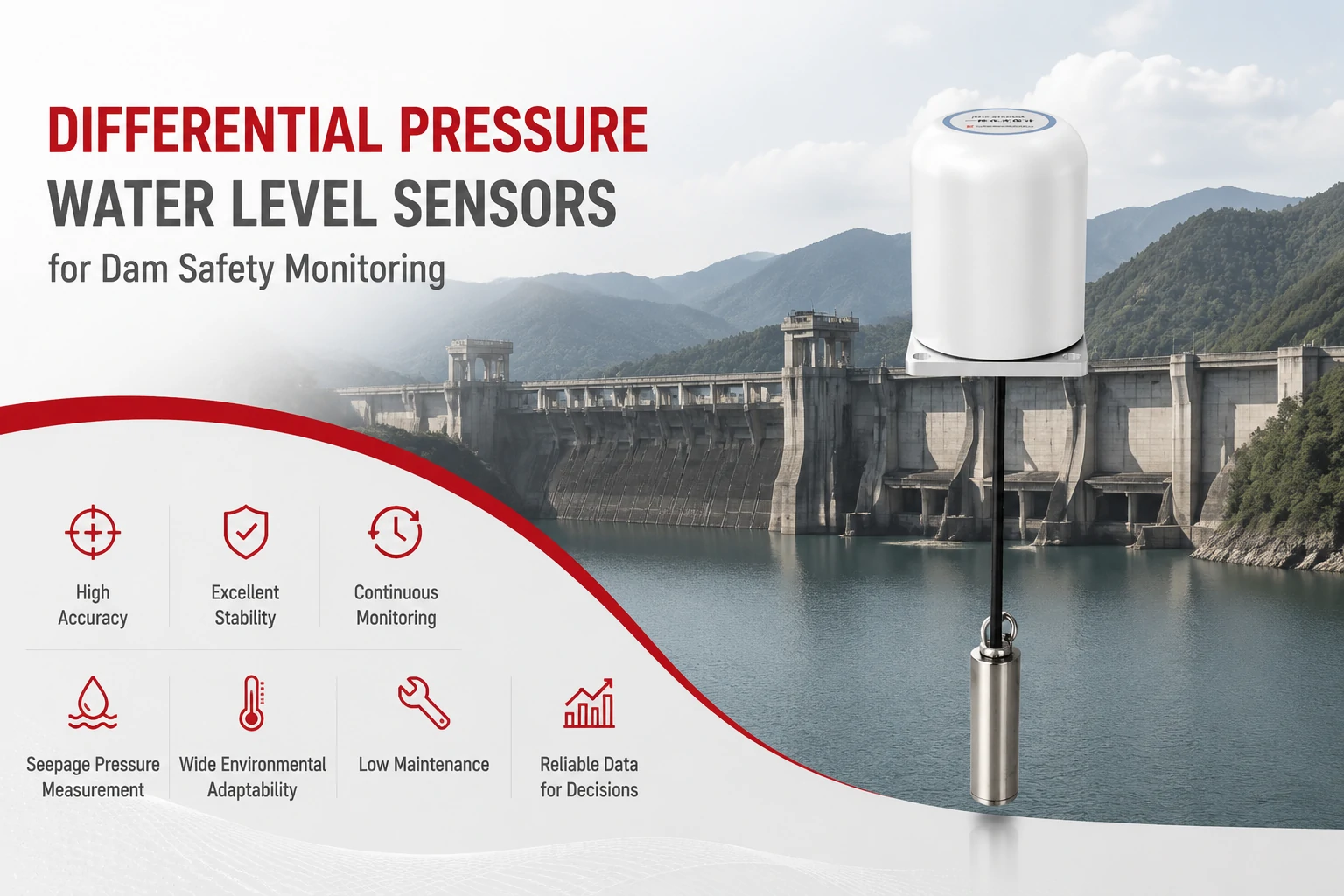
Key Takeaways The strongest fit is usually a confined, submerged, or s...
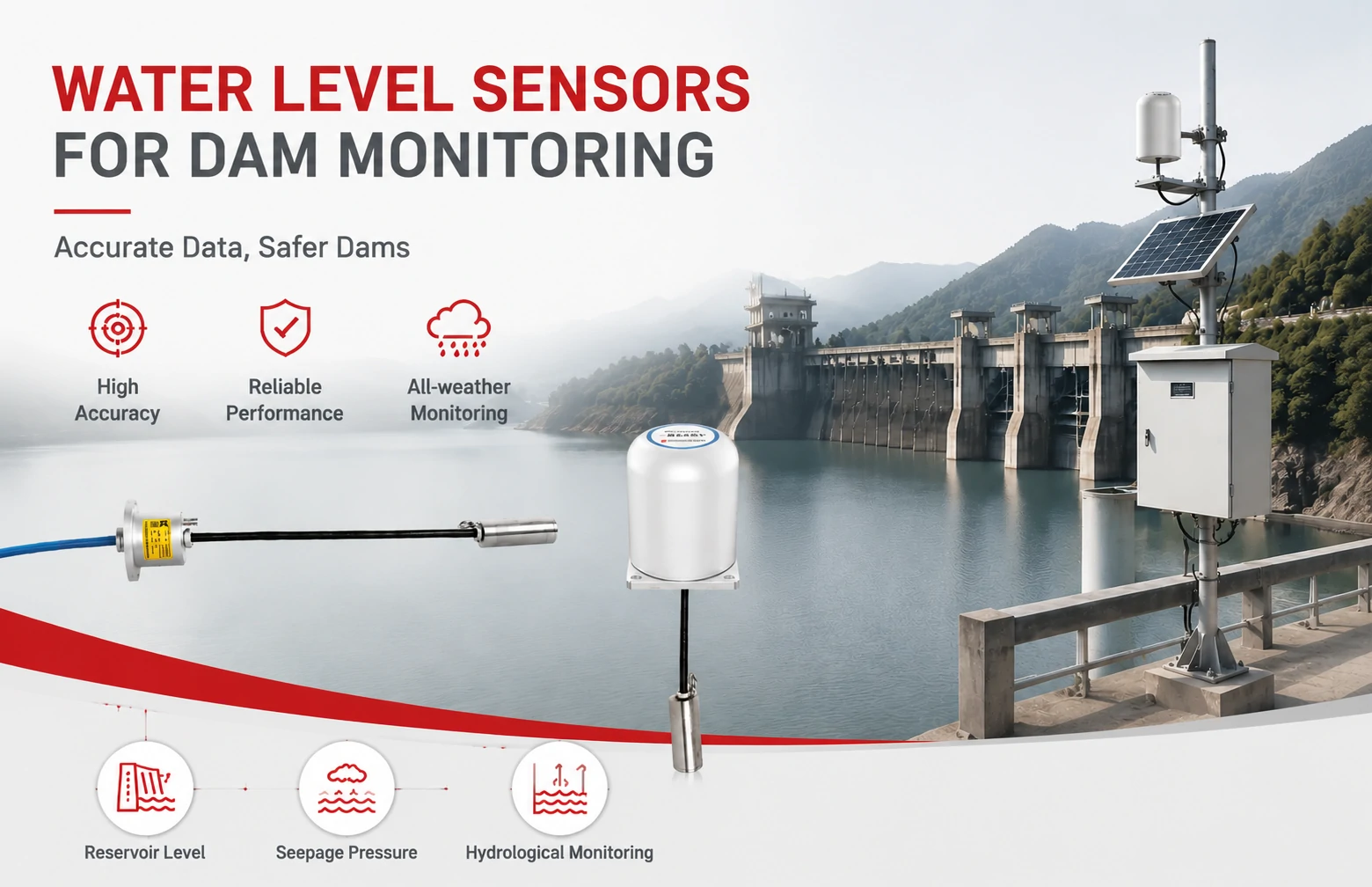
Kingmach Water Level Sensors for Dam Monitoring: A Buyer's Guide to Differential Pre...
Products
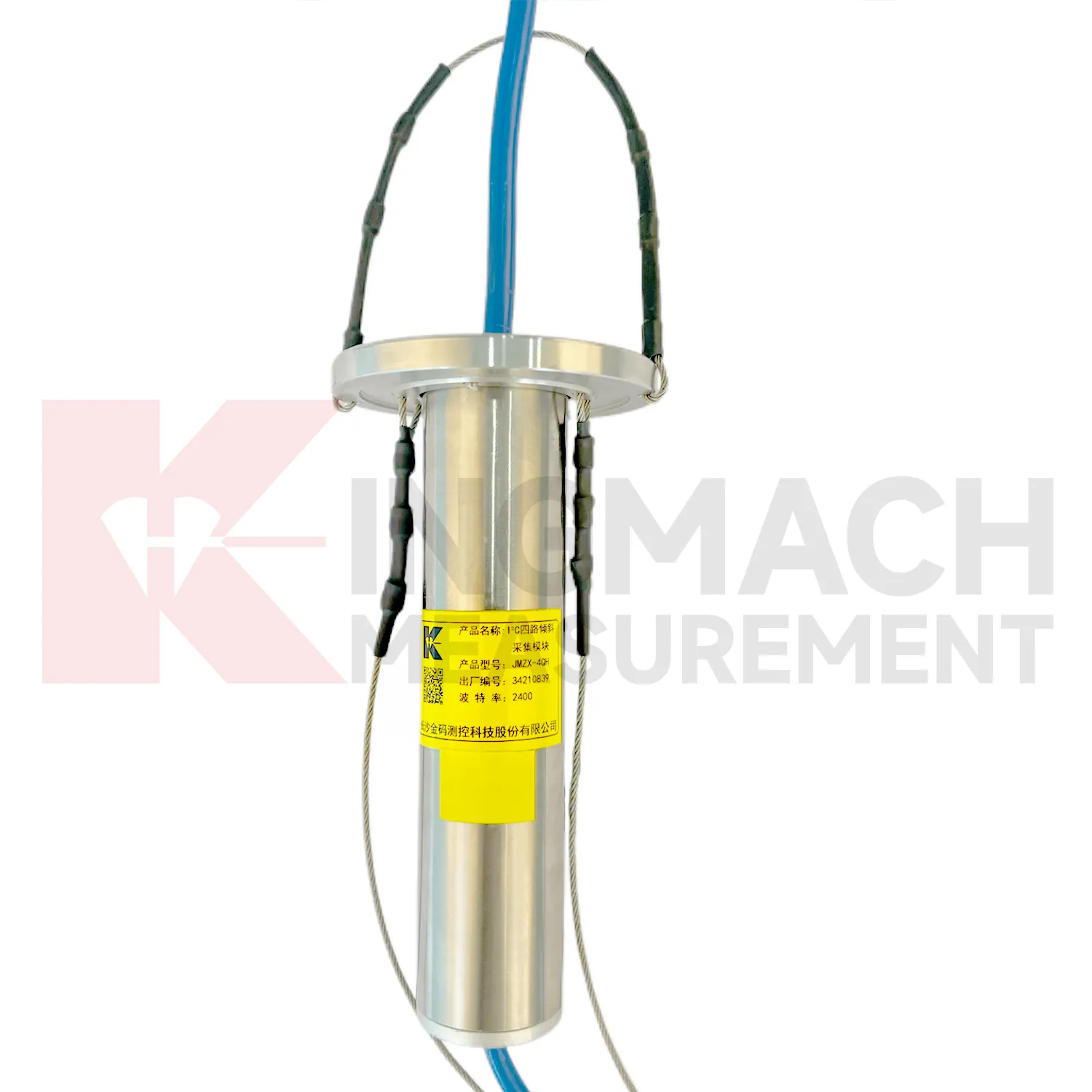
I²C 4-Channel Inclination Acquisition Module JMZX-4QH
View Details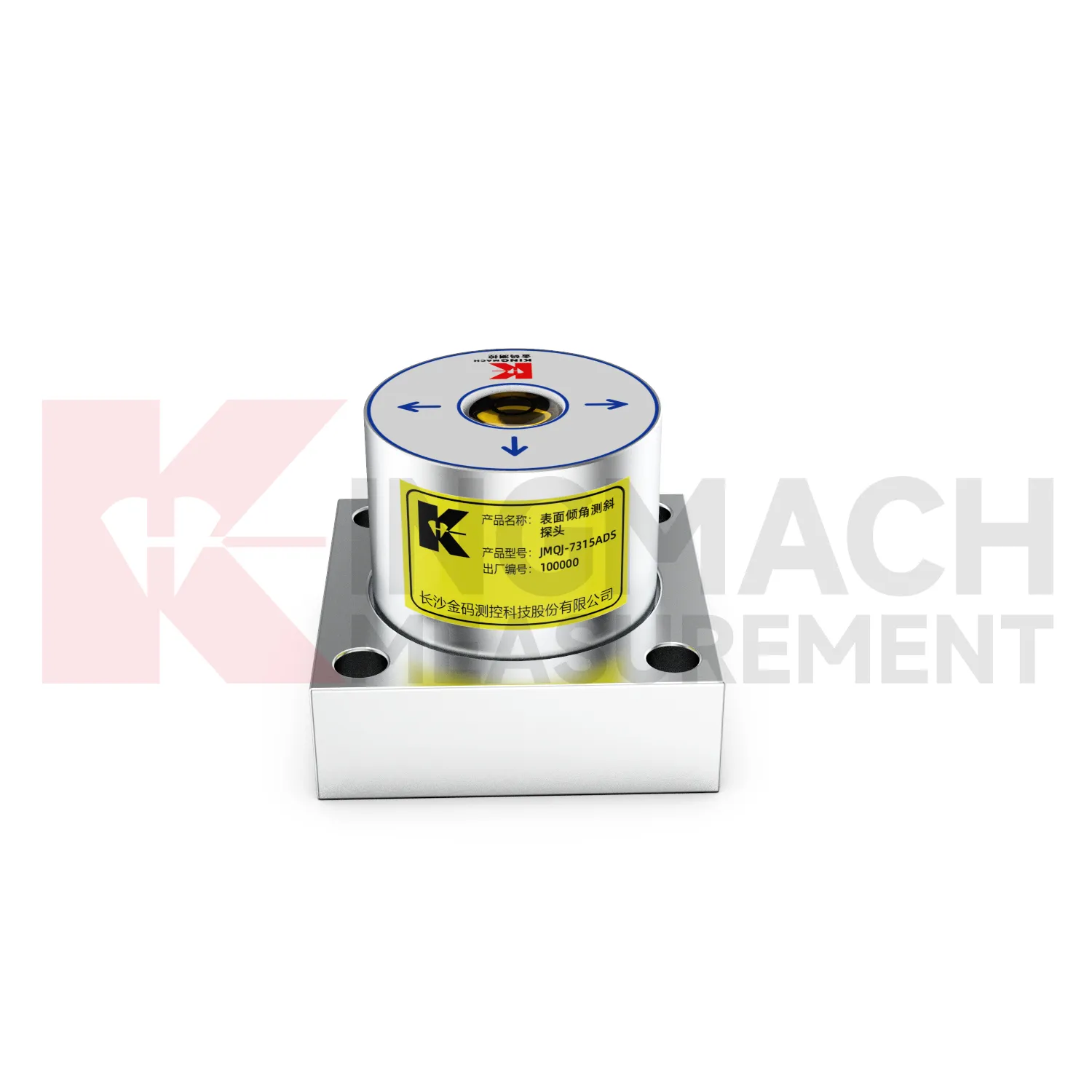
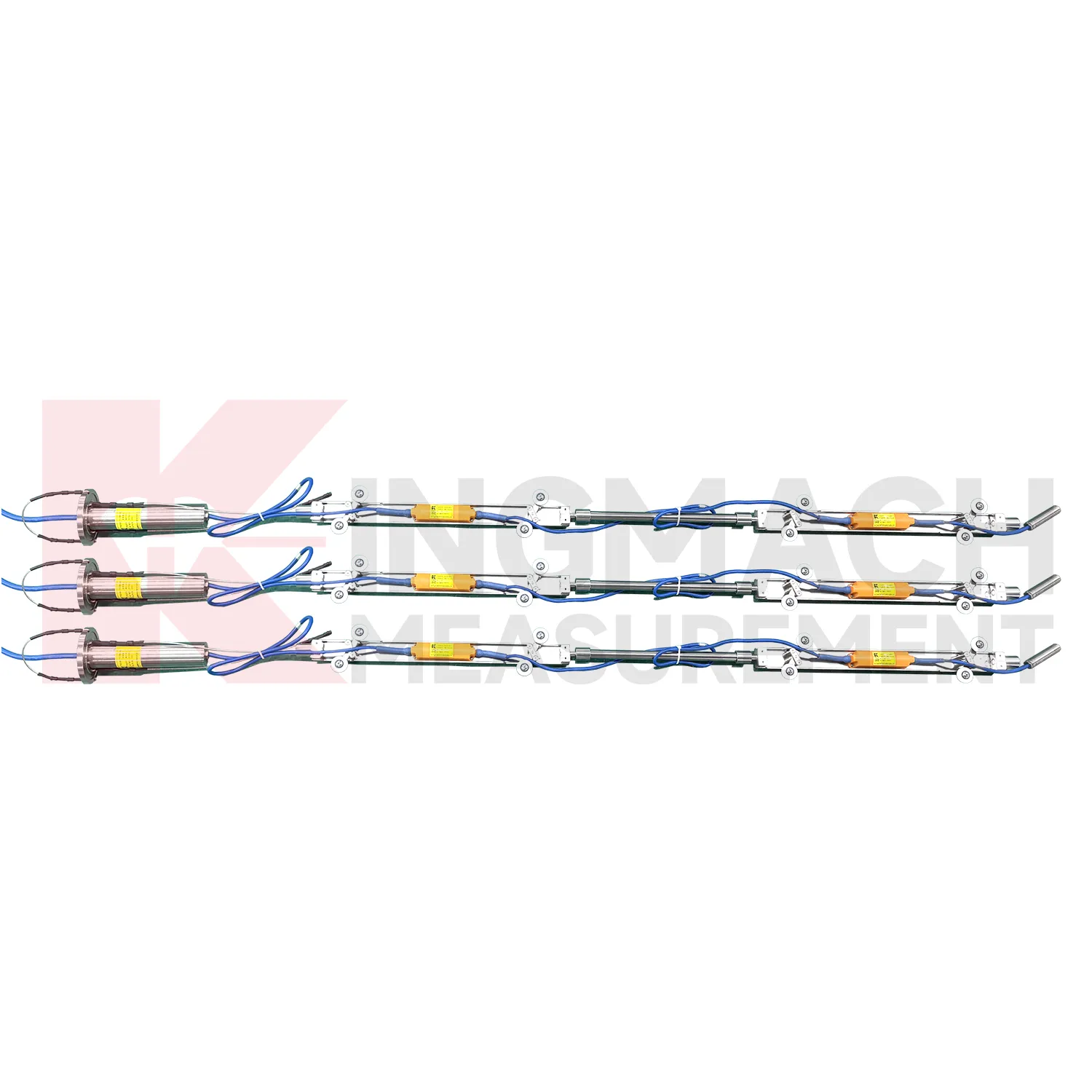
Vertical In-Place Inclinometer System JMQJ-7915ATS
View DetailsFAQ
Probe length should match your casing's groove spacing—typically 0.5 m or 1 m between wheel sets. Longer probes average out more data, which works well in uniform soils, while shorter probes capture sharper deformation zones. Kingmach can advise on the best fit based on your borehole depth and expected movement patterns.
MEMS sensors are smaller, use less power, and cost less, making them common in mid-range probes. Servo-accelerometers offer slightly higher precision and better stability over wide temperature ranges. For most geotechnical projects, a well-calibrated MEMS probe gives perfectly adequate results. Kingmach provid both options depending on your accuracy needs.
Yearly calibration is standard for most probes, though heavy use or harsh environments may call for more frequent checks. Zero-shift checks before each survey help catch drift early. Kingmach includes calibration certificates with each probe and offers recalibration services through its support network.
Yes, that's the standard approach. As long as all boreholes have the same casing type and groove orientation, one probe can survey them all. Just bring the probe to each site with a readout unit. Data management becomes easier when you label each casing clearly and log the serial number of the probe used.
Keep the wheels and spring arms clean and check for wear after every few surveys. The connector pins should be dry and free of corrosion—use dielectric grease if you are in damp environments. Rinse the probe with fresh water after use in saline or dirty conditions. Kingmach provides spare wheel kits and cables, so you can swap parts in the field without sending the whole unit back.
Share your product type, target capacity, and application requirements. Our team can review the details and recommend a practical next step.
If you are interested in our products or want to become our partner.
Please leave your contact information, our team will contact you as soon as possible.
Mail: [email protected]
Contact Us: +8613808434127
Address: No. 188 Tongzipo West Rd, Changsha, Hunan, China