
 EN
EN
 ar
ar bg
bg hr
hr cs
cs da
da nl
nl fi
fi fr
fr de
de el
el hi
hi it
it ko
ko no
no pl
pl pt
pt ro
ro ru
ru es
es sv
sv tl
tl iw
iw id
id lv
lv lt
lt sr
sr sk
sk sl
sl uk
uk vi
vi et
et hu
hu th
th tr
tr fa
fa ms
ms hy
hy ka
ka ur
ur bn
bn mn
mn ta
ta kk
kk uz
uz ku
ku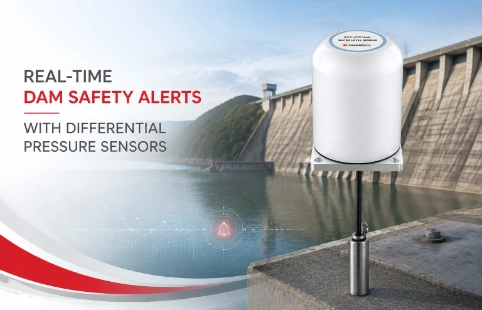
Real-Time Dam Safety Alerts with Differential Pressure Water Level Sensors
Key Takeaways An alert chain needs more than a sensor: define field in...

Displacement Transducer Applications: From Slope to Dam
In a landslide-prone highway section in Sichuan, our team once installed a string of displacement sensors along a retaining wall—not as an afterthought, but as part of the original design. Three months later, a gradual creep was caught early, allowing time to reinforce before any damage. That’s the practical difference a displacement transducer makes. For engineers working on geotechnical and structural monitoring, understanding where and how to apply these sensors goes beyond datasheets. It’s about matching sensor types—vibrating wire, LVDT, or potentiometric—to real-world conditions: temperature swings, long cable runs, or tight boreholes. Kingmach has been supplying displacement transducers for projects like these for over a decade, often tailoring ranges and output signals to fit specific site requirements. This page walks through typical application scenarios, from slope stability and tunnel convergence to dam foundations, and offers a few installation insights drawn from field experience.
Technical Detail
Displacement transducers are used in geotechnical and structural monitoring to measure movement, crack opening, or joint displacement. Common applications include slope stability surveillance, where sensors anchored across active slide planes provide early warning of mass movement. In tunnels, displacement transducers monitor convergence by measuring diametrical change, often embedded in the lining during construction. Dam safety programs rely on displacement sensors to track foundation settlement or abutment movement, with some installations lasting decades. What sets Kingmach sensors apart in these applications is not a single technical breakthrough, but a combination of proven designs and flexible customization. We offer both vibrating wire and resistive displacement transducers, each suited to different environments—vibrating wire for long-term stability and immunity to moisture, resistive where dynamic sampling or cost is a concern. Output can be configured to match existing data loggers, and cable lengths can be extended without signal loss in most models. The mounting accessories—anchors, mounting brackets, protective covers—are often adapted per project drawings. For example, a dam in Southeast Asia required waterproof sensors with extended range for crack monitoring across multiple monsoon seasons; we supplied units with IP68 rating and custom cable gland sealing. Another project, a metro tunnel in Europe, needed low-profile displacement transducers to fit between steel ribs and shotcrete without protruding; we adjusted the housing dimensions accordingly. Our global distribution network ensures timely delivery and local support, and we regularly work with consulting firms during the sensor selection phase to avoid mismatches between sensor range and expected deformation. While every project is different, a few rules of thumb hold: always allow over-range margin, protect the sensor from direct water ingress even if rated IP68, and consider thermal expansion of mounting brackets. These field-hardened lessons come from years of monitoring projects and are part of the technical support we provide. Whether you need a few units for a research site or hundreds for a large dam, Kingmach can supply displacement transducers that match your specification sheets—and help you install them right.
News
Key Takeaways An alert chain needs more than a sensor: define field in...
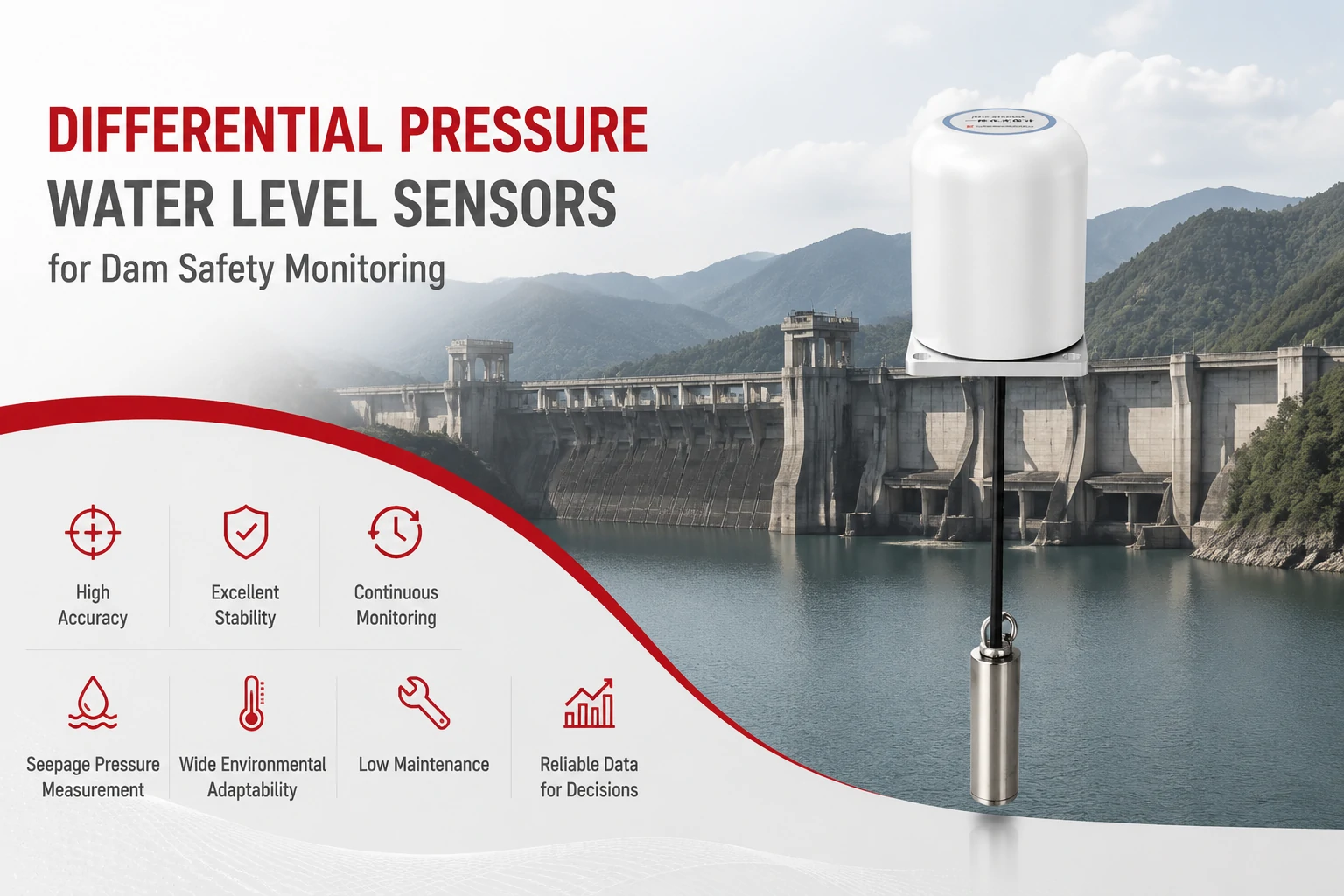
Key Takeaways The strongest fit is usually a confined, submerged, or s...
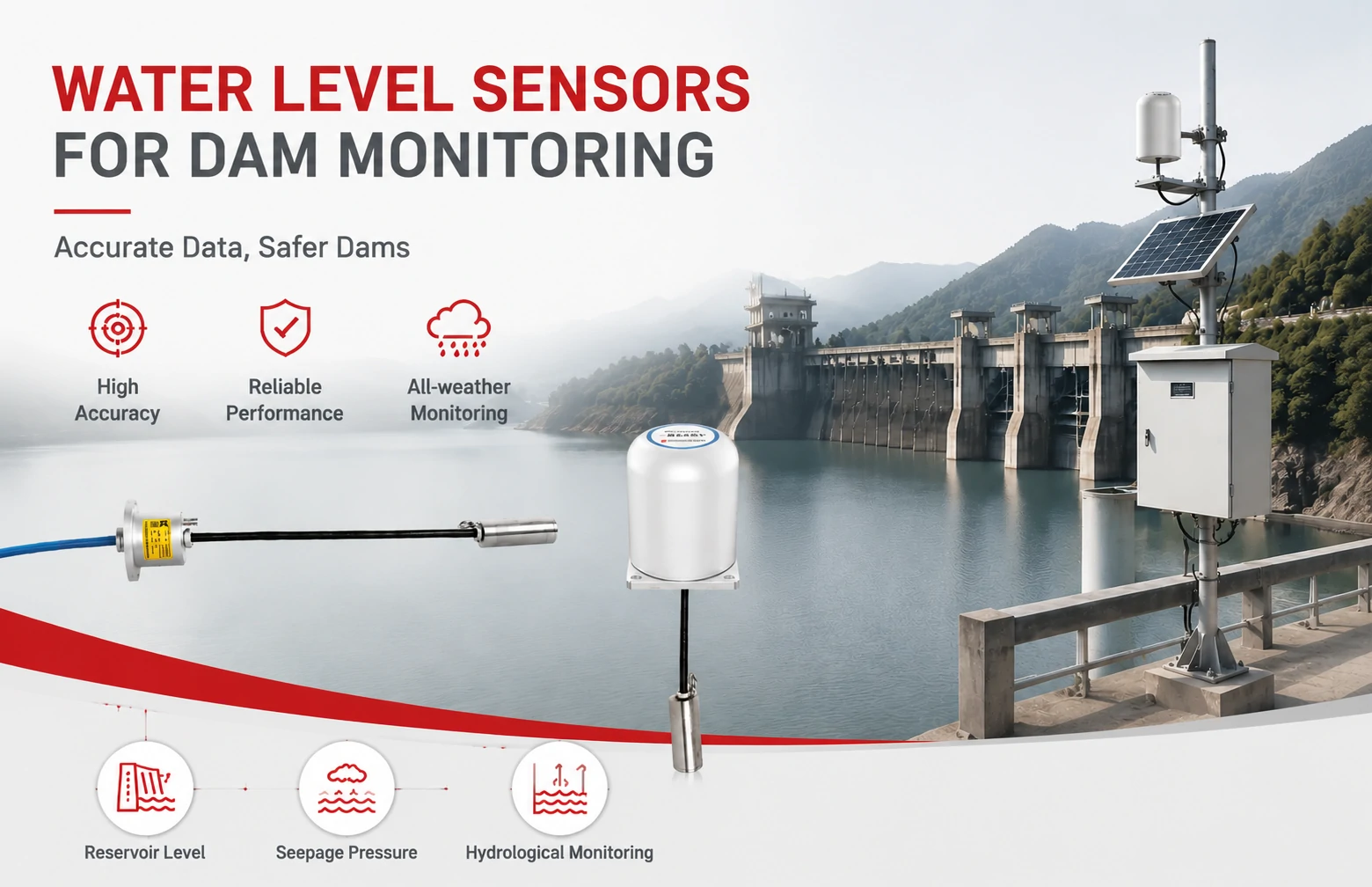
Kingmach Water Level Sensors for Dam Monitoring: A Buyer's Guide to Differential Pre...
Products
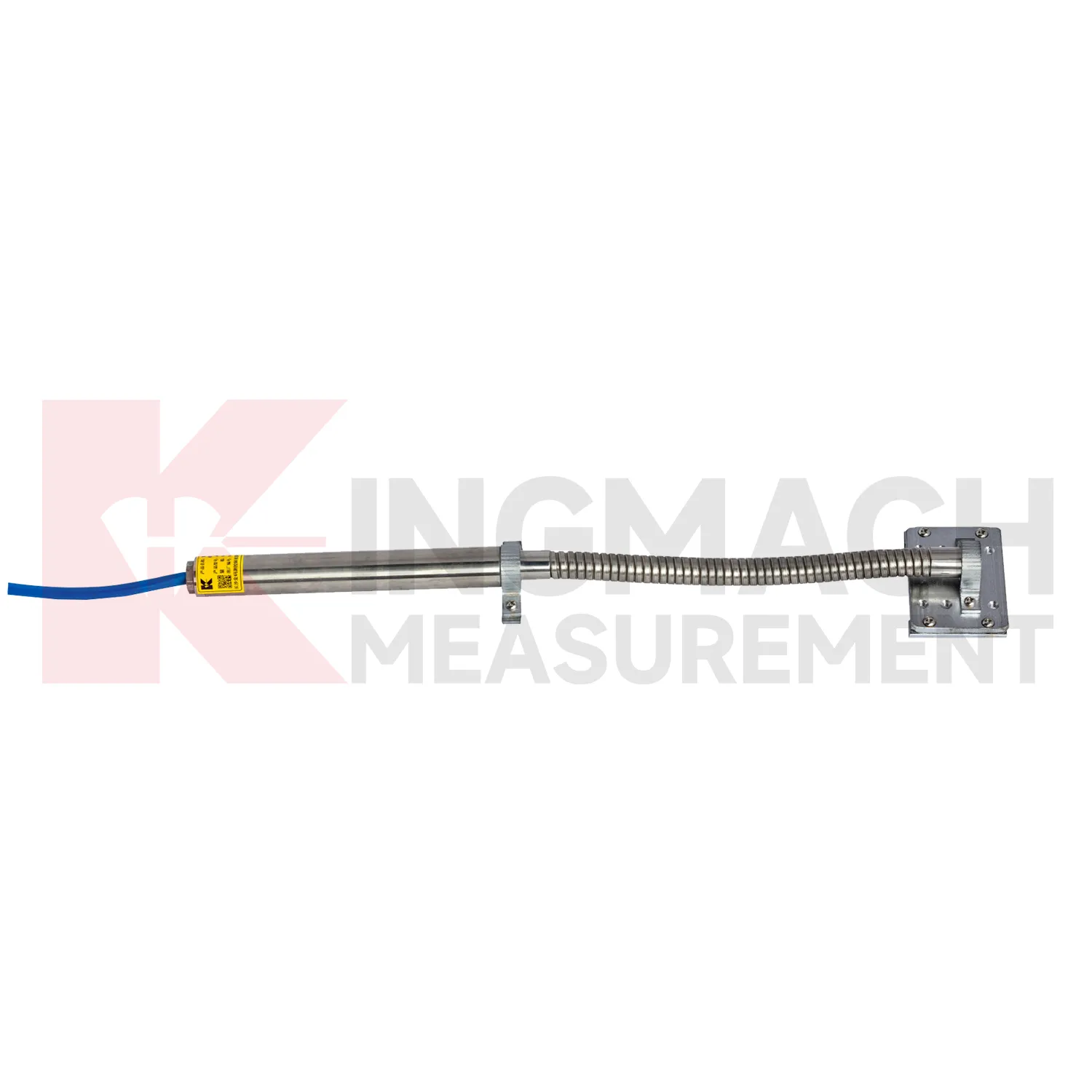
Smart Flexible Displacement Meter JMDL-24XXAT
View Details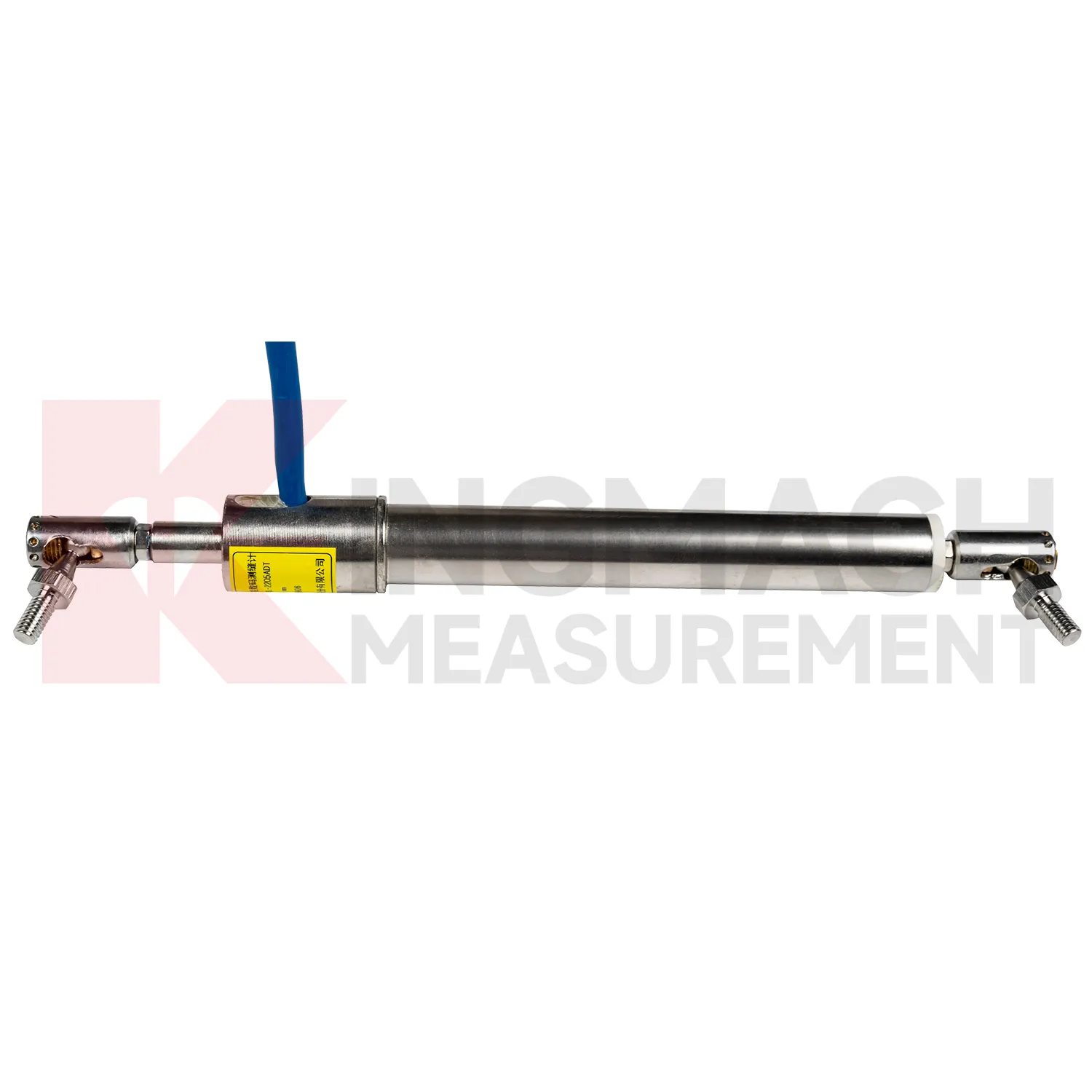
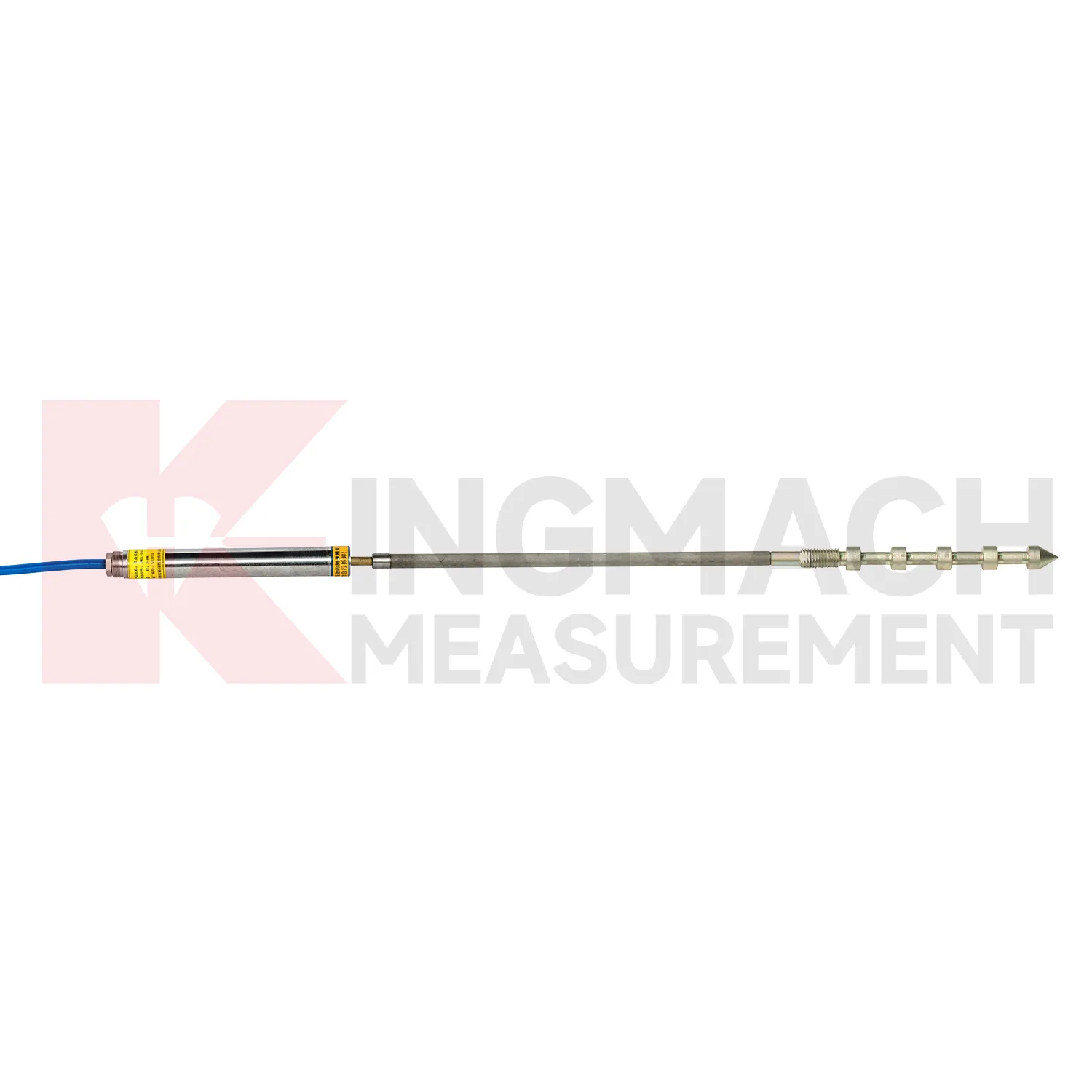
Smart Single-Point Bedrock Displacement Meter JMDL-32XXAT
View DetailsFAQ
Vibrating wire displacement transducers tend to be more stable over decades and are less affected by moisture or electrical noise, making them a common choice for dams and landslide areas. However, they require a compatible readout unit. Resistive or LVDT types may be fine for shorter-term or budget-sensitive applications. Kingmach can provide either and helps you weigh cable length, temperature effects, and logging infrastructure before deciding.
Yes, but installation details matter. You'll typically need a borehole extensometer assembly with anchors at multiple depths, connected to displacement transducers at the head. The key is to ensure the rod or wire runs freely through sleeves and that the transducer range covers the expected settlement. We often supply sensors with extended range and waterproof connectors for such setups.
Start with the expected deformation based on geotechnical analysis, then add a safety margin—typically 50% to 100% of the predicted value. For example, if a tunnel is expected to converge by 10 mm, a 20 mm or 25 mm range sensor is safer. Our technical team can review your design basis and suggest suitable ranges without overspecifying.
Many of our displacement transducers can be supplied with RS-485 or Modbus output on request, in addition to standard current/voltage signals. This simplifies connection to modern DTUs. We'll need to know your logger specs and protocol preferences to configure the output correctly.
Once installed correctly, they are relatively low-maintenance. For outdoor units, periodic checks of cable seals and junction boxes are important—condensation inside can cause drift. We also recommend a baseline reading at a known reference point every year. If you notice sudden shifts in data, first rule out physical disturbance of the sensor or cable before assuming instrument failure.
Share your product type, target capacity, and application requirements. Our team can review the details and recommend a practical next step.
If you are interested in our products or want to become our partner.
Please leave your contact information, our team will contact you as soon as possible.
Mail: [email protected]
Contact Us: +8613808434127
Address: No. 188 Tongzipo West Rd, Changsha, Hunan, China