
 EN
EN
 ar
ar bg
bg hr
hr cs
cs da
da nl
nl fi
fi fr
fr de
de el
el hi
hi it
it ko
ko no
no pl
pl pt
pt ro
ro ru
ru es
es sv
sv tl
tl iw
iw id
id lv
lv lt
lt sr
sr sk
sk sl
sl uk
uk vi
vi et
et hu
hu th
th tr
tr fa
fa ms
ms hy
hy ka
ka ur
ur bn
bn mn
mn ta
ta kk
kk uz
uz ku
ku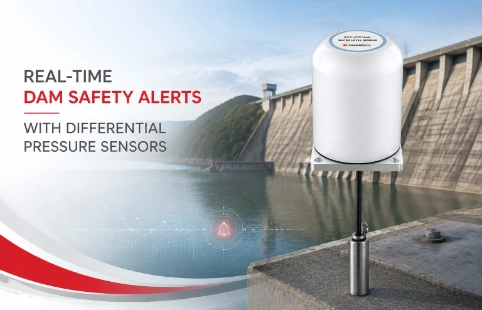
Real-Time Dam Safety Alerts with Differential Pressure Water Level Sensors
Key Takeaways An alert chain needs more than a sensor: define field in...

Platinum Resistance Temperature Sensors That Keep Data on Track
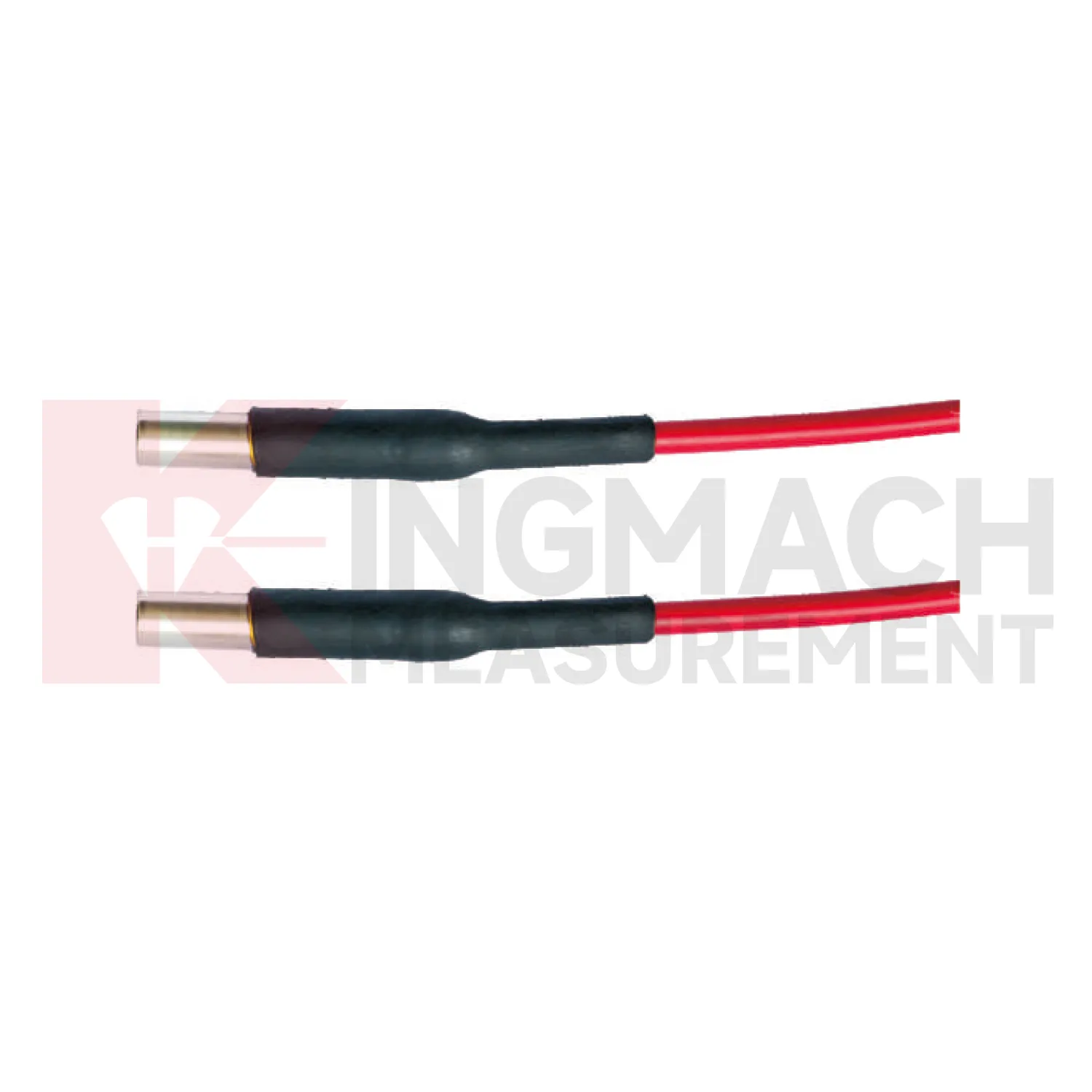
Temperature data sits at the heart of most geotechnical and structural monitoring projects. When accuracy drifts, everything from strain gauge readings to early-warning thresholds can get thrown off. That’s why many engineers stick with platinum resistance temperature sensors (RTDs) — they simply deliver more predictable behavior over long runs. At Kingmach, we don’t just ship a sensor; we put together the whole measurement chain so it fits how you actually work. Our design approach leans on standard DIN IEC 60751 curves and 4-wire connection schemes to kill lead resistance errors. The result is a temperature reading you can trust when the next construction phase depends on it.
Technical Detail
Platinum resistance temperature sensors have become a staple in environmental and civil engineering monitoring, and for good reason. Their near-linear resistance-to-temperature relationship makes calibration straightforward, while the inherent stability of platinum means the sensor’s drift stays within a few hundredths of a degree per year. Kingmach builds these sensors into rugged housings that survive direct burial, immersion, or mounting inside concrete structures — typical demands in projects like dam safety, tunnel lining, and deep excavation monitoring. Every sensor we provide is matched with a specific calibration certificate, and you can opt for Pt100 or Pt1000 elements depending on your data logger’s input range. For larger installations, we can embed these sensors into multi-point temperature strings, which simplify cable management and data collection across vertical profiles. Since we handle the whole process from element selection to final potting and connector assembly, we’re able to accommodate unusual cable lengths, connector types, or mounting brackets that off-the-shelf products ignore. All sensors are tested against reference standards traceable to national metrology institutes, so you get numbers that hold up during third-party review. Our technical team also helps with matching sensor configuration to your specific readout — whether you’re using a manual readout, an automatic data acquisition system, or a wireless IoT logger. This might mean adjusting the excitation current, wiring layout, or even the sensor’s self-heating coefficient for low thermal conductivity environments. No matter where you’re located, we can deliver quickly through our global distribution network, and our support engineers are available to discuss on-site testing procedures or custom monitoring schemes before you commit.
News
Key Takeaways An alert chain needs more than a sensor: define field in...
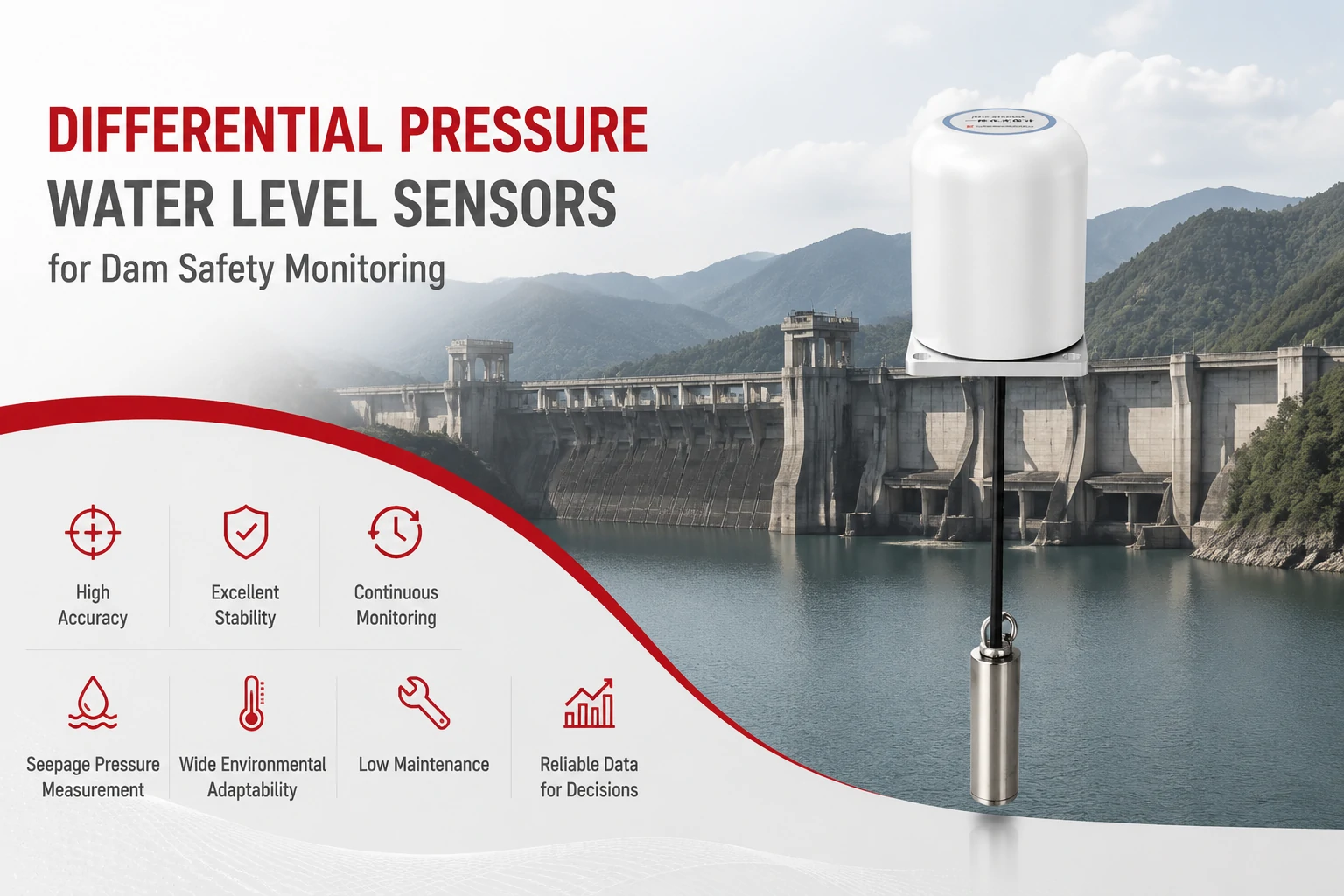
Key Takeaways The strongest fit is usually a confined, submerged, or s...
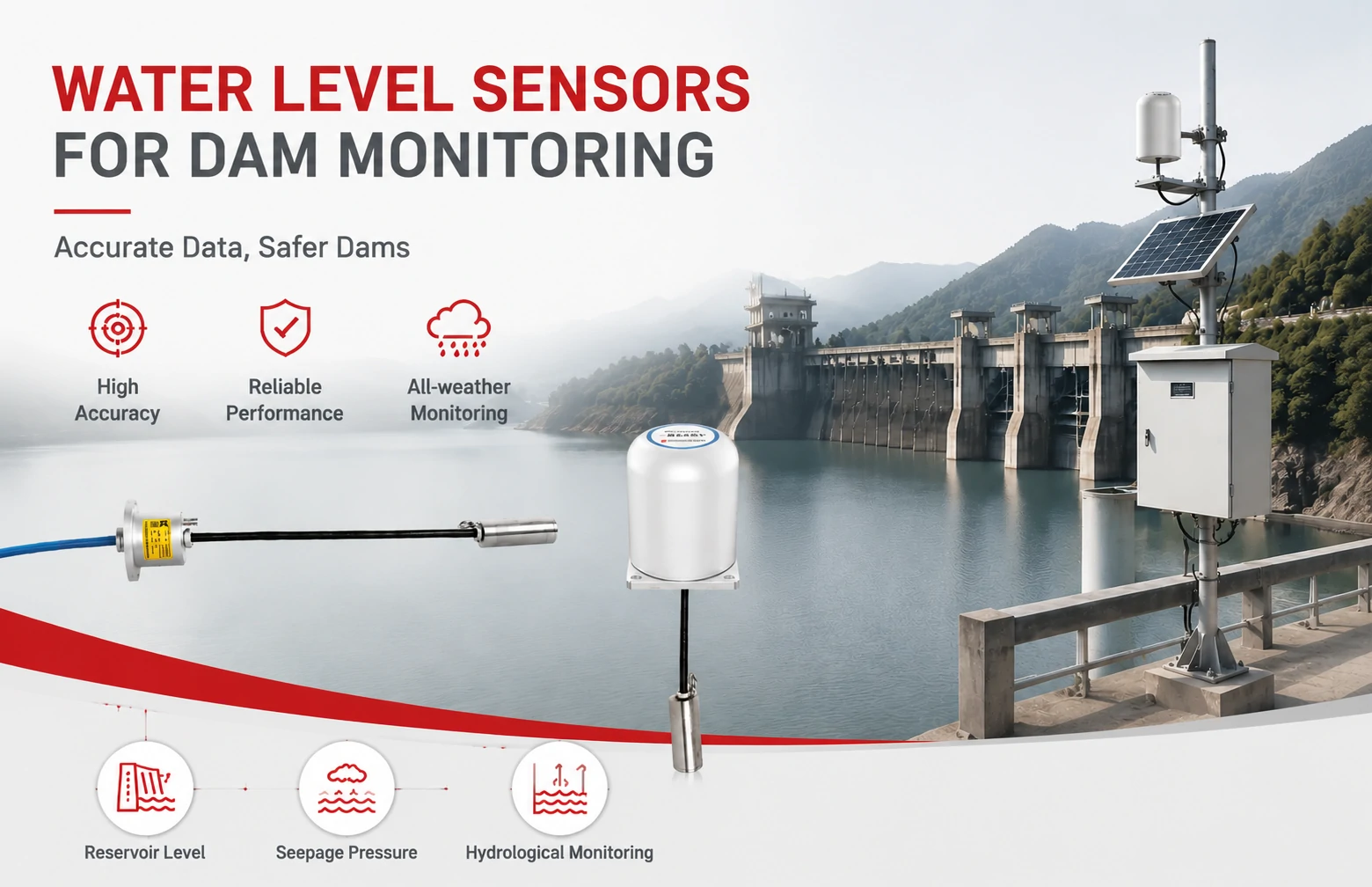
Kingmach Water Level Sensors for Dam Monitoring: A Buyer's Guide to Differential Pre...
Products
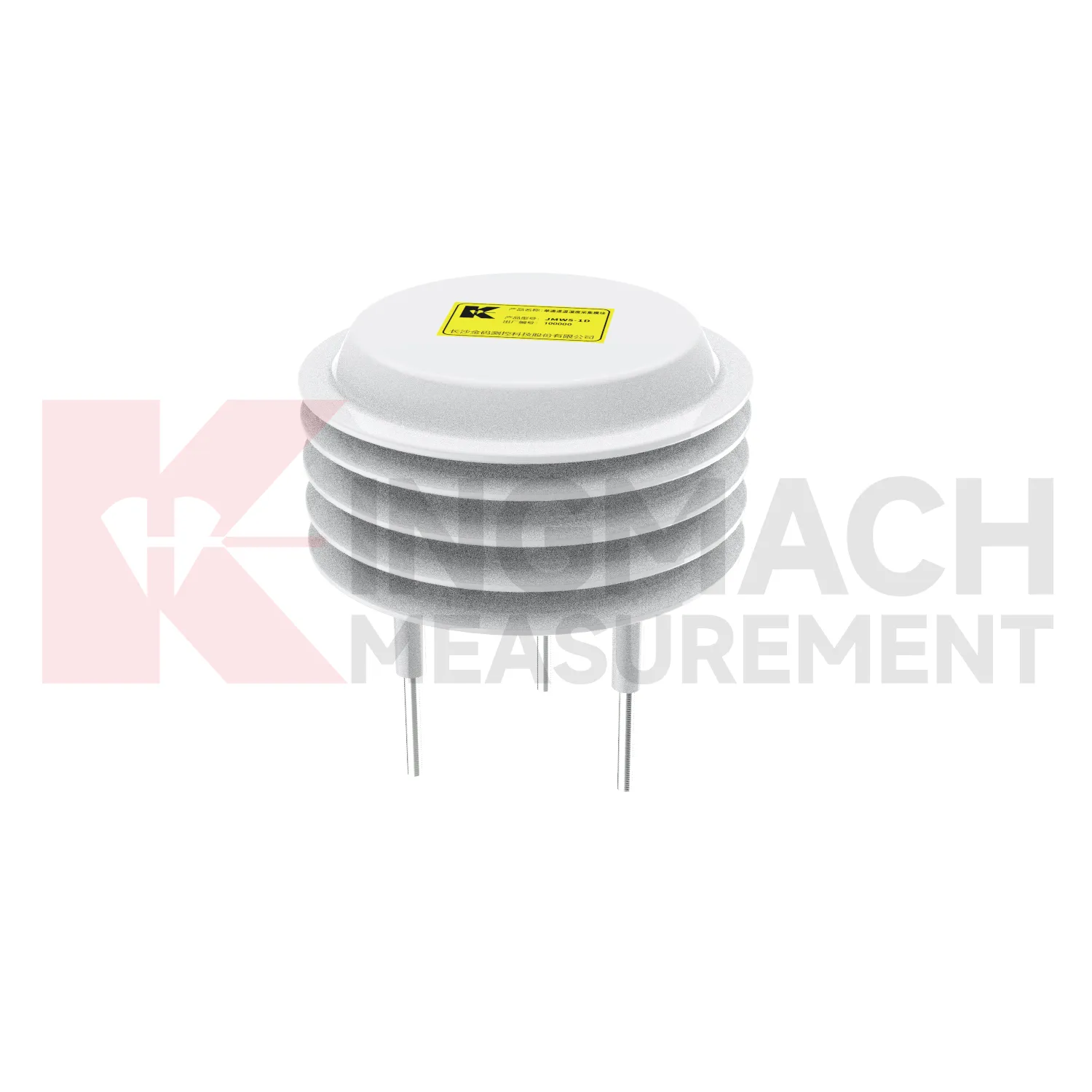
Single-Channel Temperature and Humidity Acquisition Module JMWS-1D
View Details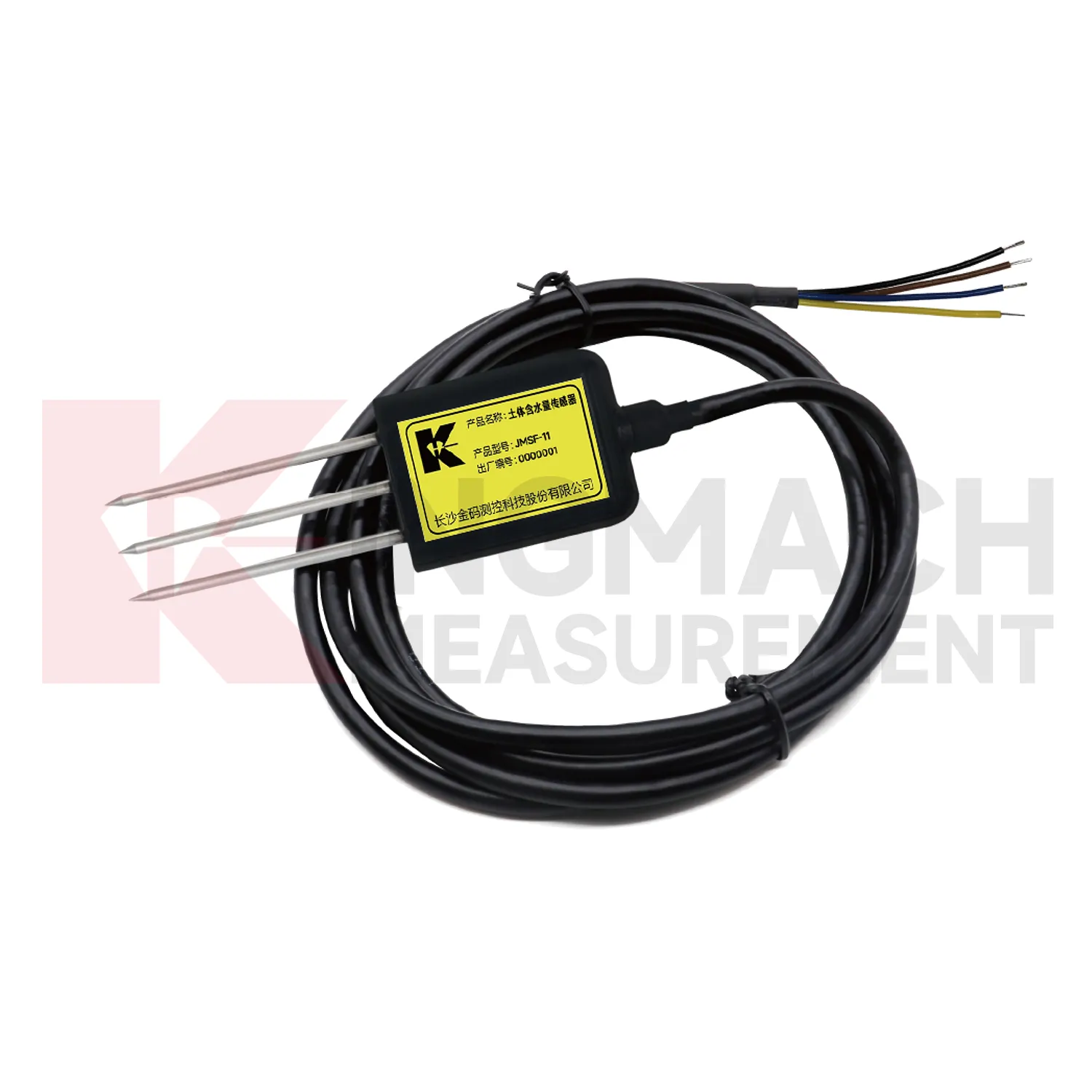
FAQ
Most industrial platinum RTDs follow the DIN IEC 60751 standard, which gives Class B accuracy of ±0.3 °C at 0 °C. Class A (±0.15 °C) and higher accuracy classes are also common for critical monitoring tasks. The exact accuracy depends on the element grade and the calibration process, so we always discuss the acceptable tolerance with users before finalizing the sensor design.
It depends on the logger’s input channels. Some loggers support both by letting you switch between resistance ranges. However, a Pt1000 sensor draws less current and usually suffers less from self-heating, which can be an advantage in still air or low-thermal-conductivity materials. We can advise on the best fit once we know your logger’s specifications.
We use 4-wire connections to cancel out lead resistance, allowing cable runs of several hundred meters without measurement error. We also pot the sensor connections to prevent moisture ingress, and we can supply armored cables for direct burial. If your layout is particularly spread out, we’ll help design a wiring topology that keeps costs reasonable.
Yes, we regularly supply sensors for concreting applications. The housing and cable transition are designed to withstand the high-alkalinity environment of fresh concrete and the pressure during pouring. Many of our sensors have been operating inside dams and bridge piers for over a decade without noticeable drift.
Absolutely. We’ve produced sensors with miniature probe tips, right-angle bodies, and completely flat profiles for mounting on rebar or structural steel. If you send a sketch or drawing, we can typically engineer a solution that fits without sacrificing measurement performance.
Share your product type, target capacity, and application requirements. Our team can review the details and recommend a practical next step.
If you are interested in our products or want to become our partner.
Please leave your contact information, our team will contact you as soon as possible.
Mail: [email protected]
Contact Us: +8613808434127
Address: No. 188 Tongzipo West Rd, Changsha, Hunan, China