
 EN
EN
 ar
ar bg
bg hr
hr cs
cs da
da nl
nl fi
fi fr
fr de
de el
el hi
hi it
it ko
ko no
no pl
pl pt
pt ro
ro ru
ru es
es sv
sv tl
tl iw
iw id
id lv
lv lt
lt sr
sr sk
sk sl
sl uk
uk vi
vi et
et hu
hu th
th tr
tr fa
fa ms
ms hy
hy ka
ka ur
ur bn
bn mn
mn ta
ta kk
kk uz
uz ku
ku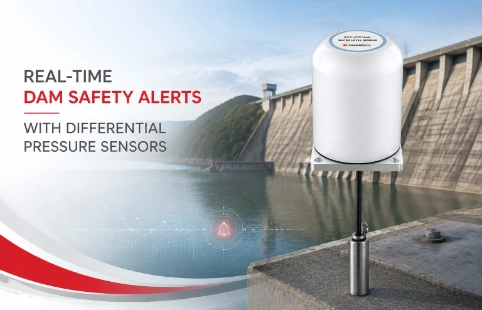
Real-Time Dam Safety Alerts with Differential Pressure Water Level Sensors
Key Takeaways An alert chain needs more than a sensor: define field in...

Strain Gauge & Wheatstone Bridge Monitoring Solutions
A strain gauge bonded to a steel diaphragm and wired into a Wheatstone bridge — that’s the core of most geotechnical sensors you’ll find on a job site. Kingmach builds its instruments around this principle because it translates tiny mechanical deformations into clean electrical signals without overcomplicating the design. When you’re monitoring anchor loads, pore pressure, or convergence in a tunnel, the last thing you need is a reading that drifts or a sensor that fails after a few wet seasons. The quarter‐bridge arrangement with temperature compensation is standard in our designs, and we put more effort into bonding, sealing, and cable strain relief than most spec sheets bother to mention. This approach isn’t flashy, but it works in the messy, real-world conditions where monitoring actually happens — from permafrost slopes to saturated embankments.
Technical Detail
Kingmach’s geotechnical instruments rely on proven strain gauge and Wheatstone bridge combinations to deliver consistent data across a wide range of site conditions. Instead of chasing exotic sensing elements, we focus on the details that make a foil strain gauge stay alive in groundwater, vibration, and thermal swings. Most of our pressure cells, load cells, and stressmeters use a full Wheatstone bridge — typically four active gauges positioned to maximize sensitivity while canceling bending and temperature errors. The gauges are bonded with high-temperature epoxy and oven-cured, then the whole cavity is backfilled with inert gas before welding. It’s low-tech in concept but high-yield in repeatability. On the signal side, we supply ready-to-connect lead wires with long-term waterproof seals and recommend customers pair them with our hand-held readouts or third-party loggers that provide bridge excitation and signal conditioning. Because the output is still a millivolt-per-volt ratio, you can check a sensor with nothing more than a decent multimeter — a practical advantage when troubleshooting a daisy-chained array halfway up a dam. For specific needs — non-standard ranges, high overpressure, submersible housings — our engineering team modifies the gauge pattern and bridge configuration rather than starting from scratch. This customisation keeps lead times short and costs in the mid-market range, while the underlying measurement principle stays transparent and field-serviceable.
News
Key Takeaways An alert chain needs more than a sensor: define field in...
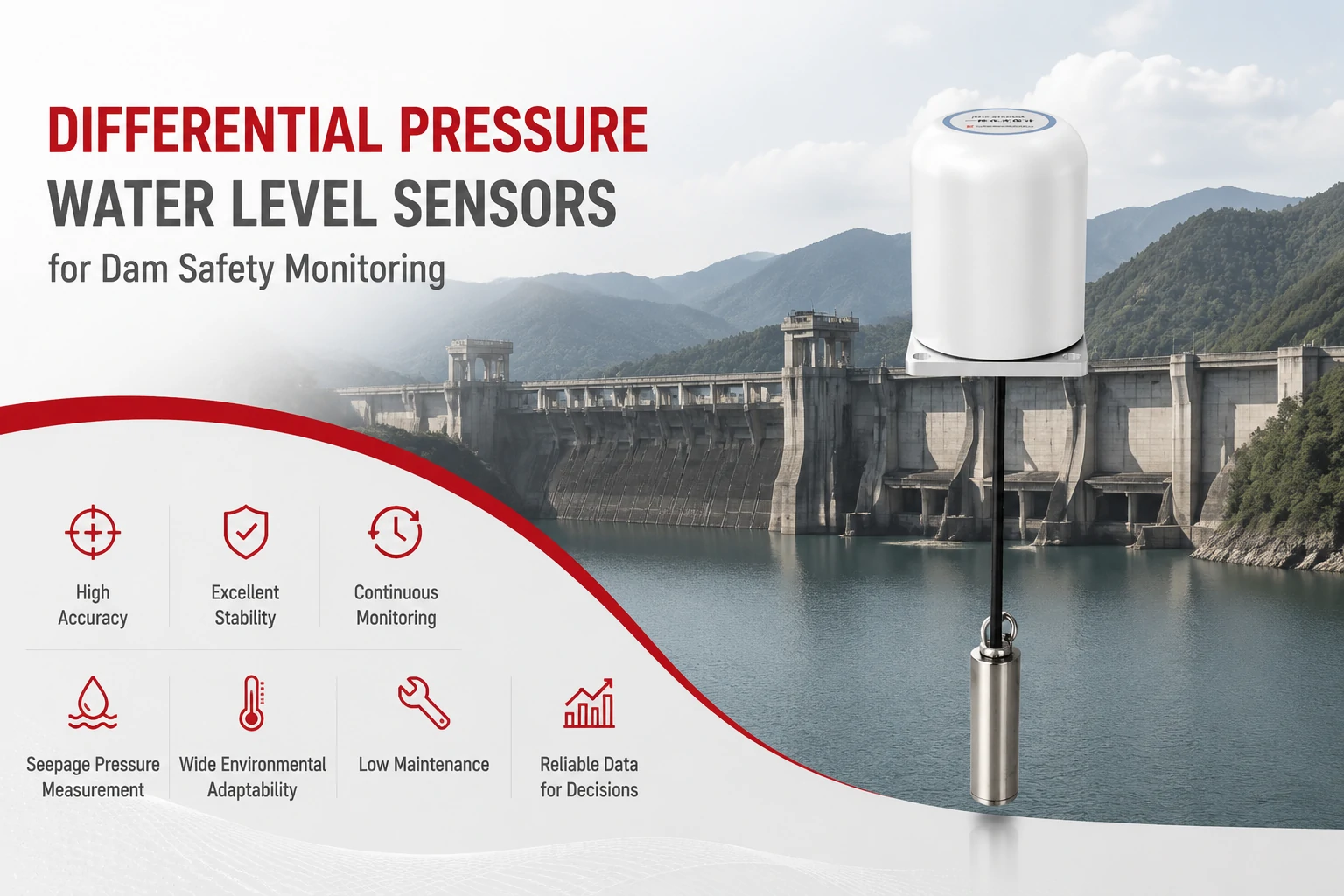
Key Takeaways The strongest fit is usually a confined, submerged, or s...
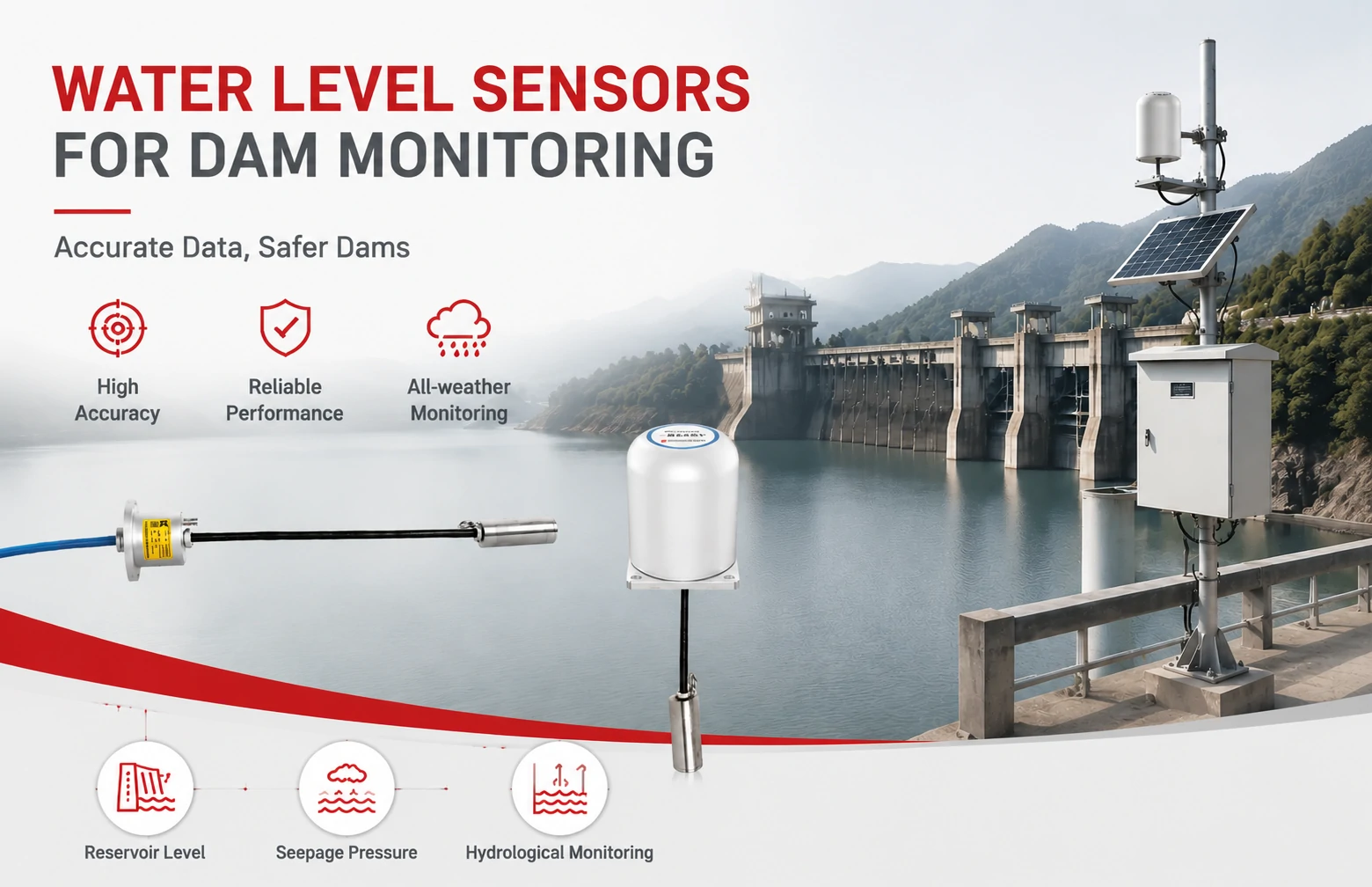
Kingmach Water Level Sensors for Dam Monitoring: A Buyer's Guide to Differential Pre...
Products
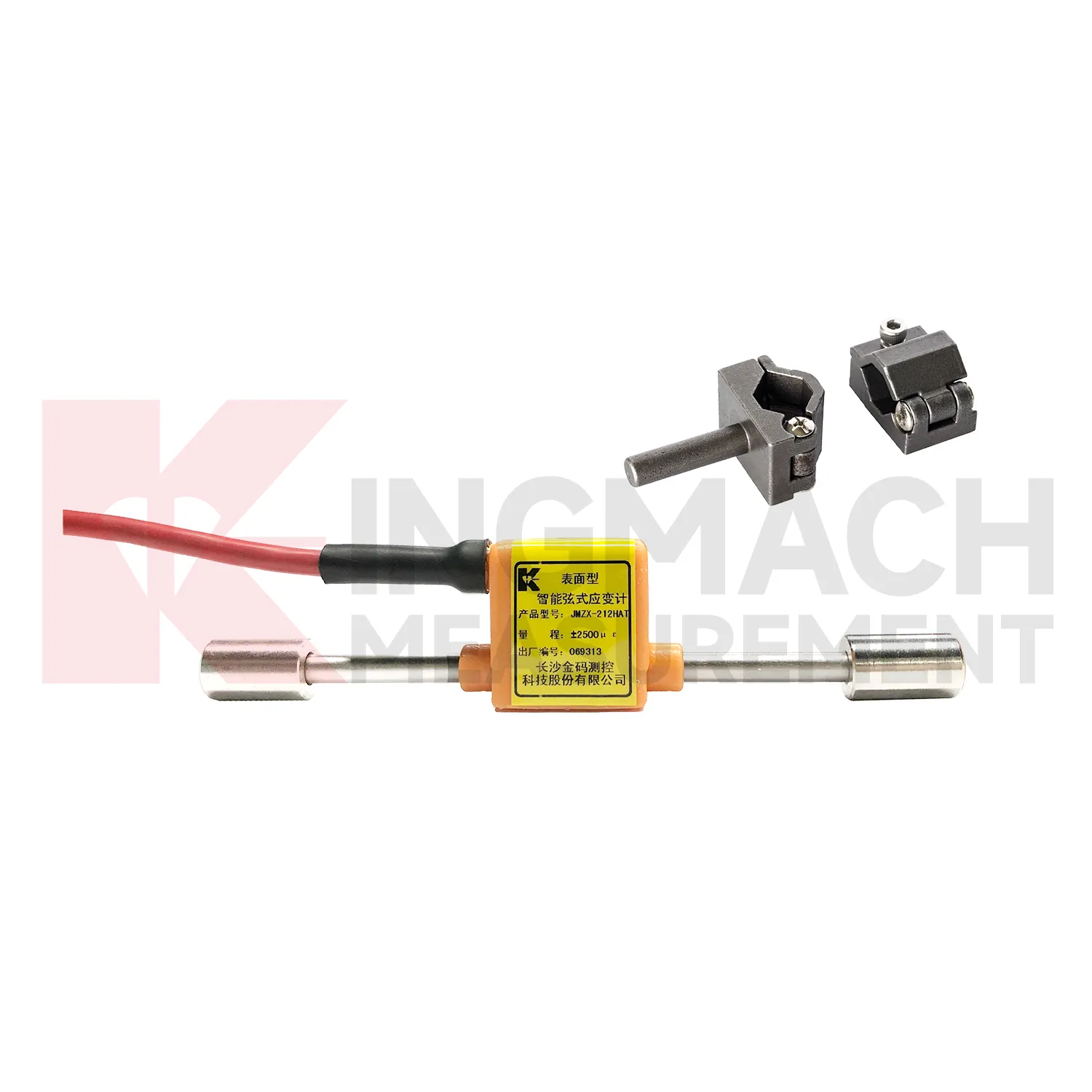
Smart vibrating wire strain gauge (surface model) JMZX-212HAT/HB
View Details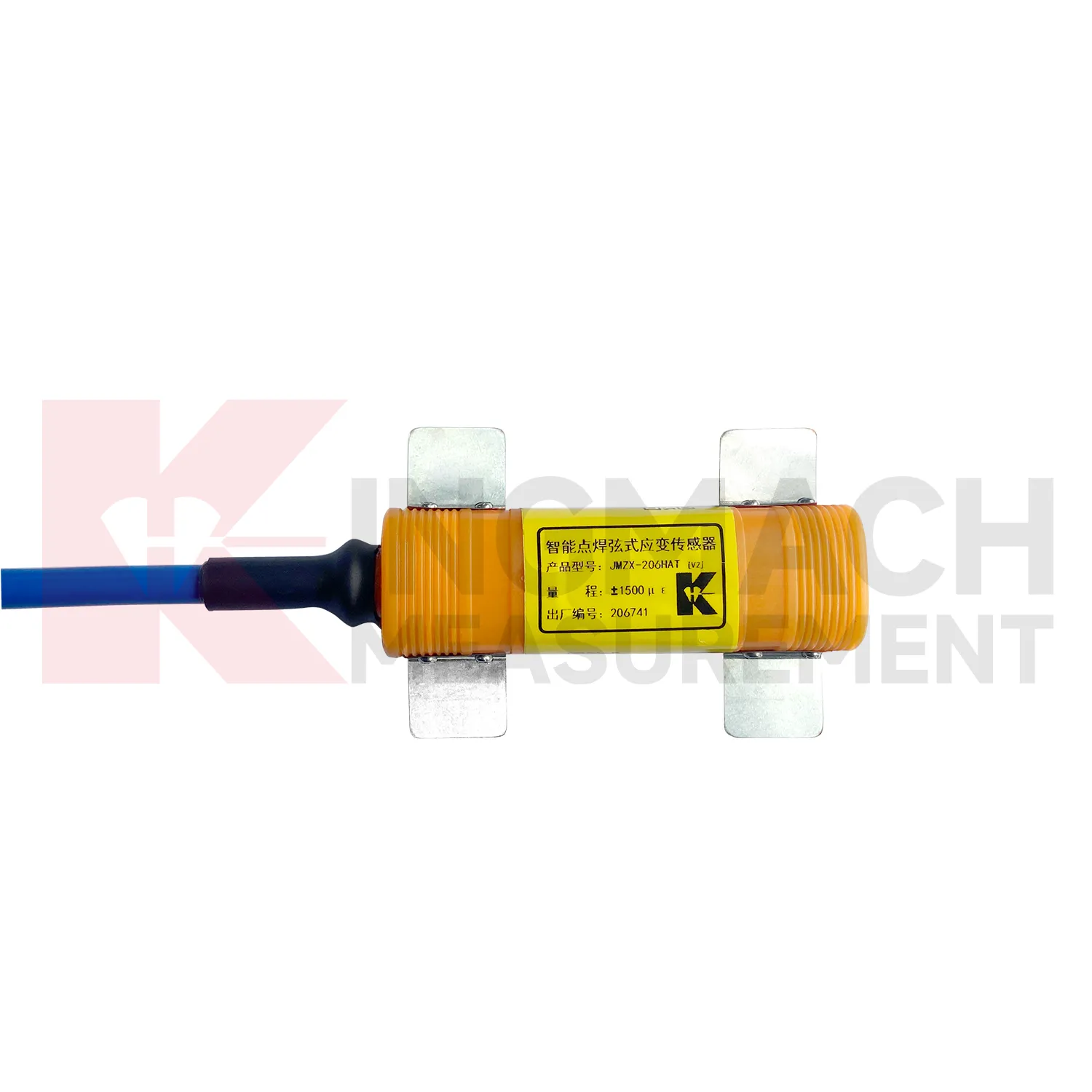
Smart vibrating wire strain gauge (surface welded model) JMZX-206HAT
View Details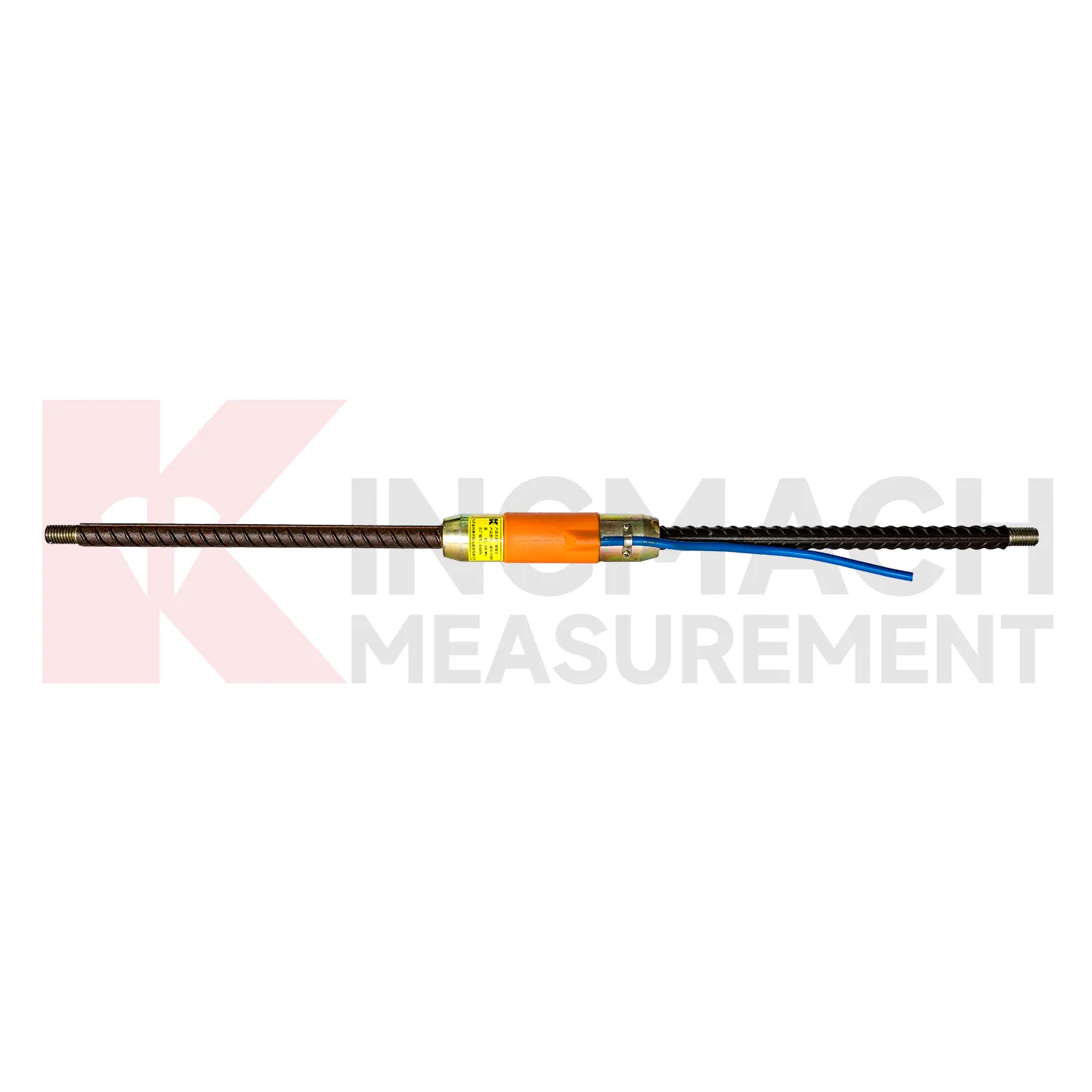
Rebar Strainmeters ( VW & Smart Type) JMZX-4XXHAT/HB
View DetailsFAQ
The strain gauge converts mechanical deformation into a small resistance change, and the Wheatstone bridge turns that tiny resistance shift into a measurable voltage output. The bridge also compensates for temperature effects and lead-wire resistance when wired correctly, which is why it’s the default front-end for load cells, pressure transducers, and strain-gauged instruments.
Yes. With the sensor unexcited, you can measure the input and output resistances to verify the bridge is balanced and there are no open circuits. Under load, you’ll need an excitation source (usually 2–10 VDC) and a millivoltmeter to read the output, but even a field multimeter with mV resolution is often enough for a quick sanity check.
Most of our sensors output a millivolt-per-volt ratio — for example, a 2.0 mV/V full scale at a given excitation. The exact figure depends on the instrument type and range, and we ship every unit with a calibration sheet. The low-level signal is then amplified either by our handheld readout or a third-party datalogger.
We design the Wheatstone bridge with temperature-compensating gauge configurations, so thermal strain is cancelled as much as possible at the sensing point. In extremely variable environments, adding an unstrained dummy gauge in the same thermal environment improves stability, and many customers combine the bridge output with an integrated thermistor for software correction.
Because we build instruments around standard strain gauge and Wheatstone bridge techniques, customization usually means adapting the housing, cable length, or bridge resistance to your needs — not reinventing the measurement principle. We regularly supply sensors with non-standard ranges, exotic alloy diaphragms, or subsea connectors, and our engineers can advise on the achievable accuracy before you commit.
Share your product type, target capacity, and application requirements. Our team can review the details and recommend a practical next step.
If you are interested in our products or want to become our partner.
Please leave your contact information, our team will contact you as soon as possible.
Mail: [email protected]
Contact Us: +8613808434127
Address: No. 188 Tongzipo West Rd, Changsha, Hunan, China