
 EN
EN
 ar
ar bg
bg hr
hr cs
cs da
da nl
nl fi
fi fr
fr de
de el
el hi
hi it
it ko
ko no
no pl
pl pt
pt ro
ro ru
ru es
es sv
sv tl
tl iw
iw id
id lv
lv lt
lt sr
sr sk
sk sl
sl uk
uk vi
vi et
et hu
hu th
th tr
tr fa
fa ms
ms hy
hy ka
ka ur
ur bn
bn mn
mn ta
ta kk
kk uz
uz ku
ku
Real-Time Dam Safety Alerts with Differential Pressure Water Level Sensors
Key Takeaways An alert chain needs more than a sensor: define field in...

Strain Gauge for Weight Measurement in Demanding Industrial Tasks
On a dusty concrete plant, a batch operator used to eyeball aggregate levels—until a load cell failed, halting production. They replaced it with a standard sensor, but drifting readings persisted. That’s when they called us. Kingmach engineers suggested integrating a full-bridge strain gauge array with temperature compensation. It wasn’t a catalog part; it was a practical rework of an existing geotechnical strain gauge, modified for the aggressive vibration and moisture. Weight readings stabilized, and the plant avoided costly shutdowns. Strain gauge for weight measurement often means standard load cells in retail scales. But in industrial environments—silos, tanks, conveyors—generic parts rarely last. This page explains how choosing the right strain gauge configuration and support can save downtime and improve batch consistency.
Technical Detail
Strain gauge for weight measurement works by converting deformation into an electrical signal. In theory, it’s simple. In practice, the environment dictates accuracy. Kingmach Measurement & Monitoring Technology Co., Ltd. has deep experience in geotechnical instrumentation, where sensors face moisture, temperature swings, and long-term drift. That same understanding goes into our weight measurement gauge solutions. We don’t just sell a foil gauge on a metal element; we look at the whole structure—sealing, cabling, mounting, and signal conditioning. Our range includes bending beam, shear beam, and column-type strain gauge load cells. Many are customizable: different capacities, IP ratings, or output signals (mV/V, 4-20mA, RS485). For silo weighing on screw piles, we often recommend a dual-shear design with built-in lightning protection. For batching hoppers, a low-profile compression gauge with a built-in overload stop prevents damage. All follow OIML R60 guidelines. Our production covers in-house foil bonding and calibration up to 5000 divisions. With a global distribution network and technical support staff who understand strain gauge bridge setups, you get more than a component—you get a weight measurement sub-system that can be integrated quickly and maintained easily.
News
Key Takeaways An alert chain needs more than a sensor: define field in...
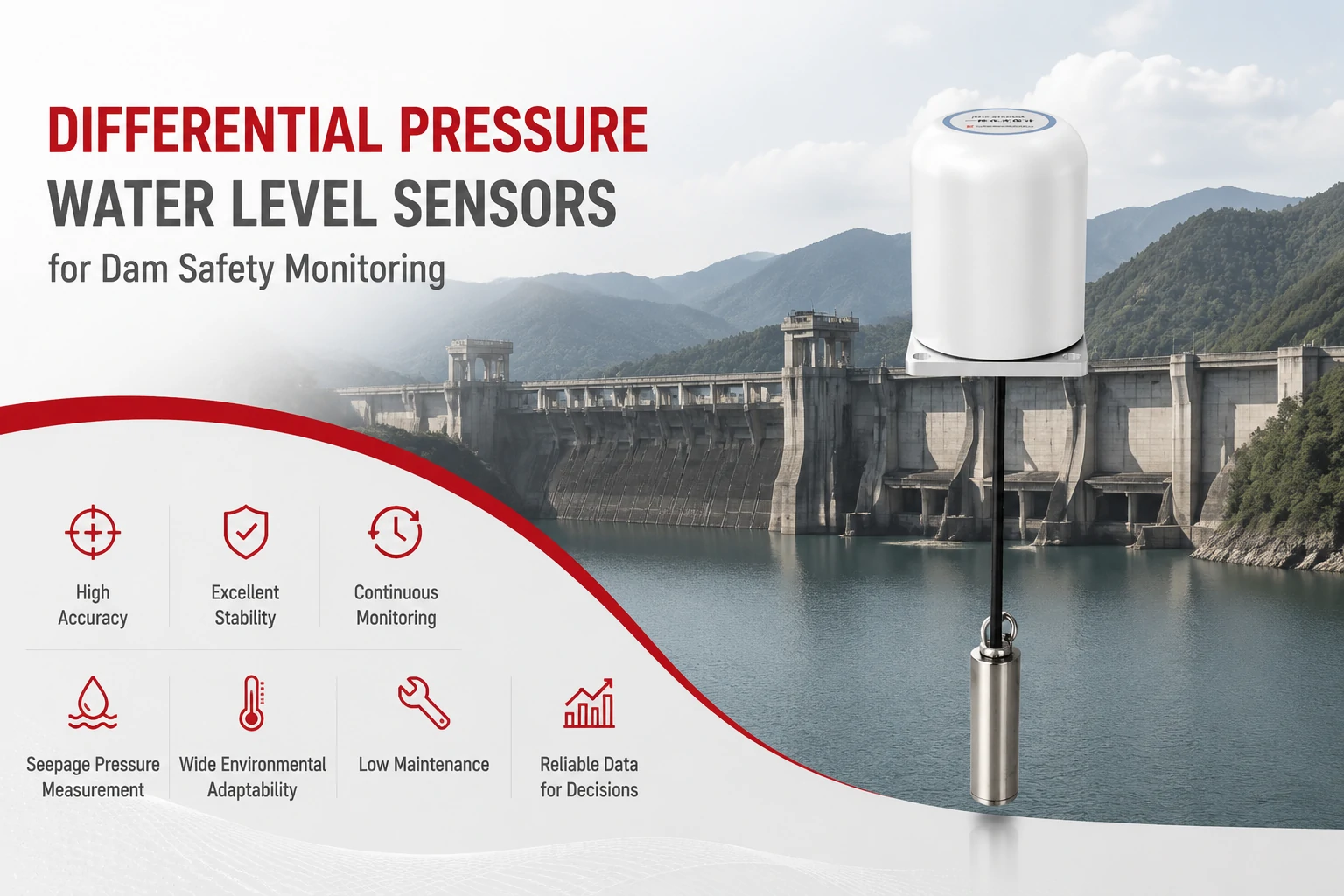
Key Takeaways The strongest fit is usually a confined, submerged, or s...
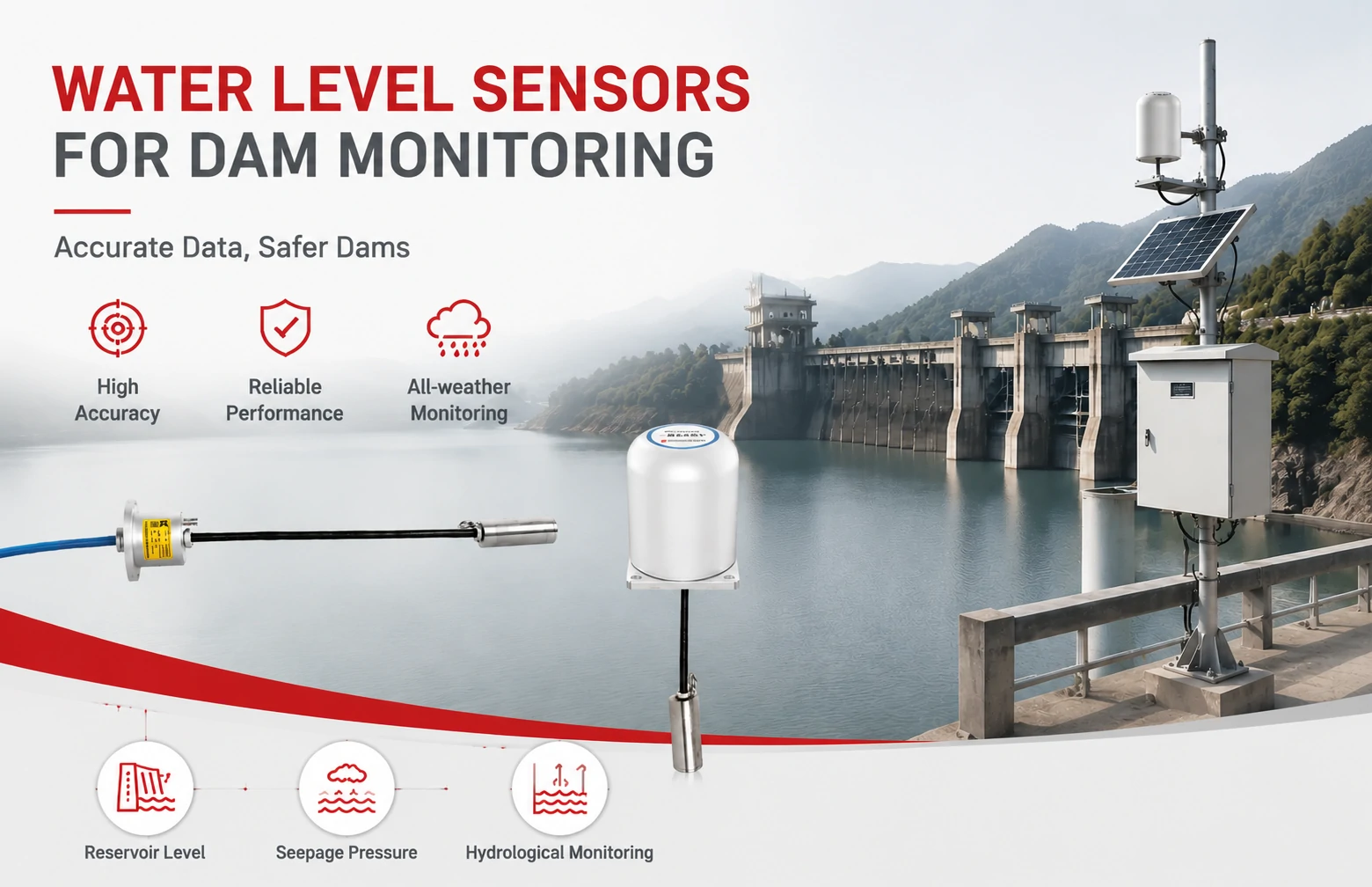
Kingmach Water Level Sensors for Dam Monitoring: A Buyer's Guide to Differential Pre...
Products
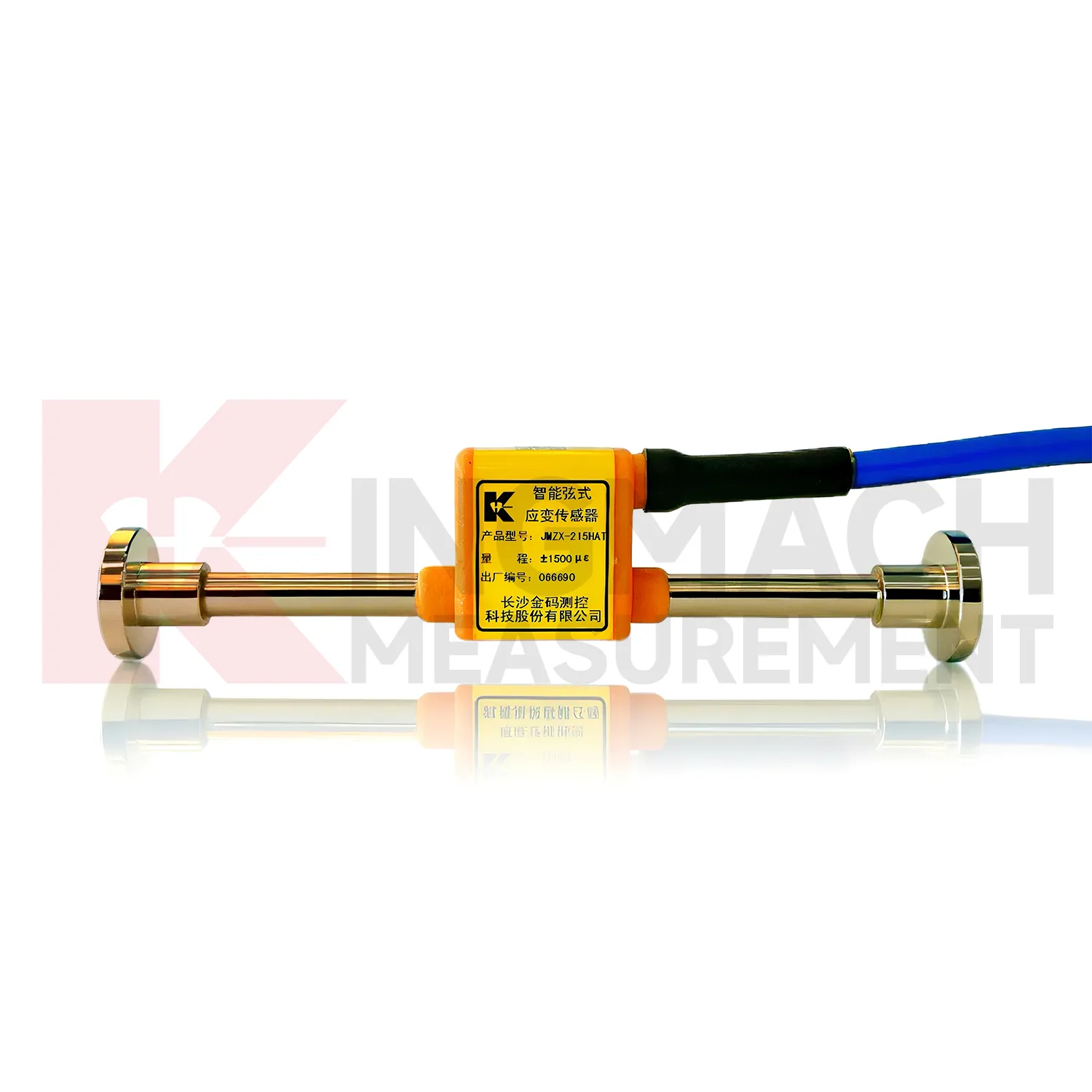
Smart vibrating wire strain gauge (embedment model) JMZX-215HA/215HAT/HB
View Details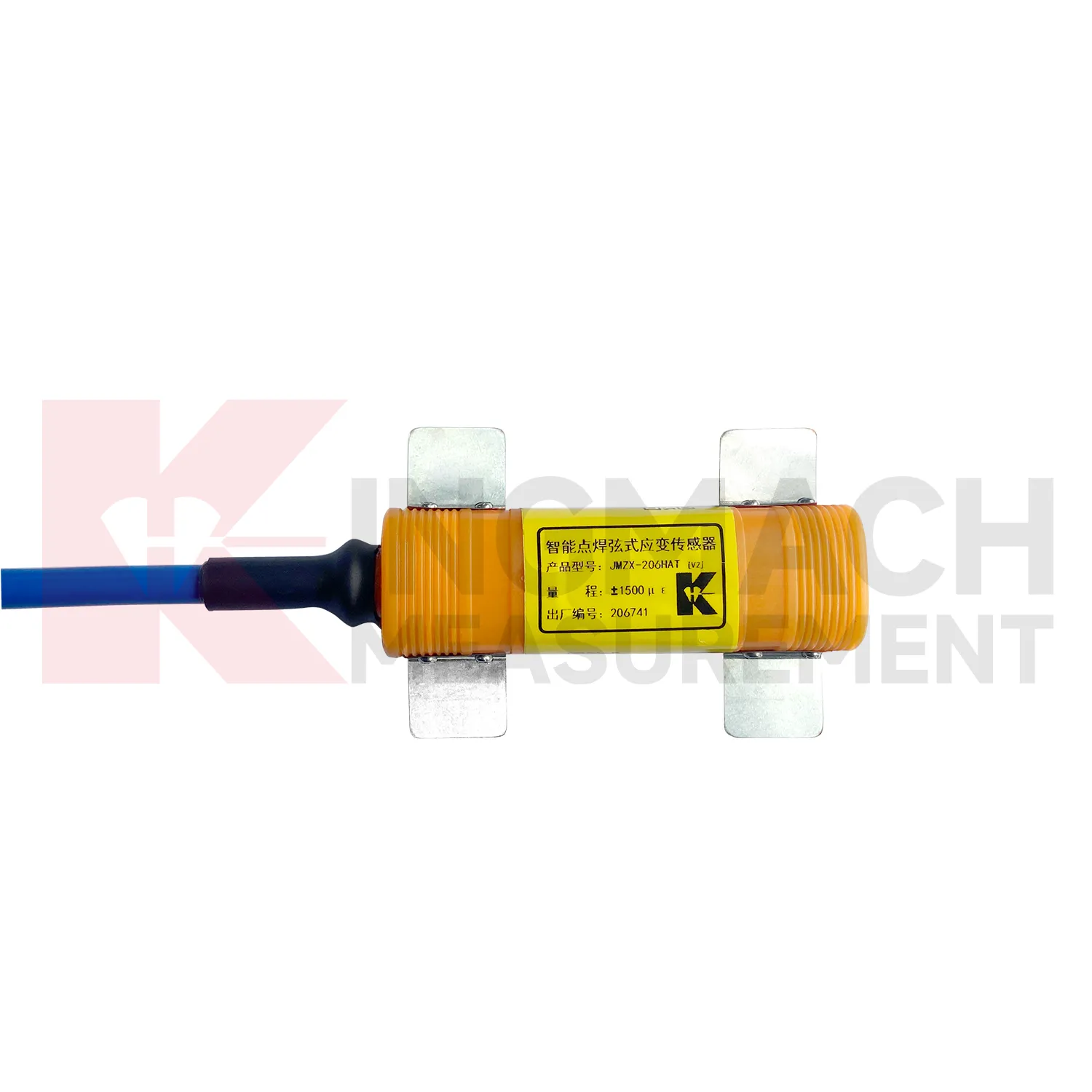
Smart vibrating wire strain gauge (surface welded model) JMZX-206HAT
View Details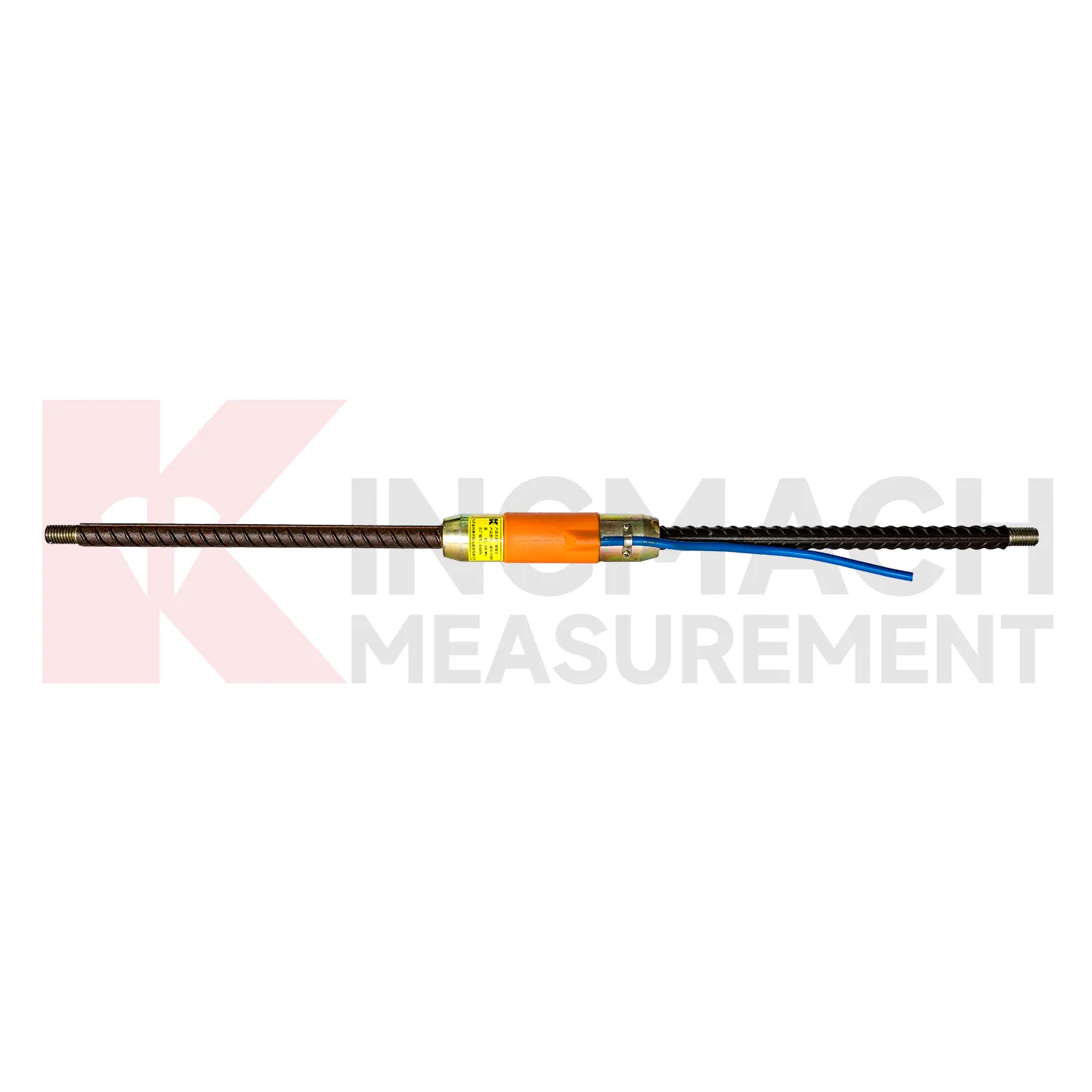
Rebar Strainmeters ( VW & Smart Type) JMZX-4XXHAT/HB
View DetailsFAQ
Bending beam cells suit small-to-medium platforms, often with a single-point design that handles off-center loads. Shear beam cells handle higher capacities and uneven loads better. If your platform often sees forklift traffic or side forces, shear beam is safer. Both types use strain gauge bridges, but shear elements are less sensitive to load position changes.
IP67 is typical for outdoor washdown areas; it protects against temporary submersion. For underground pits or flooded environments, IP68 is recommended. But note that the cable entry and sealing compound matter as much as the housing. We use polyurethane potting and vented cables to reduce condensation inside the gauge cavity.
Yes. Many of our strain gauge load cells are available with integrated amplifiers that give RS485, Modbus RTU, or 4-20mA output. This avoids external junction boxes and reduces noise. We can factory-calibrate the digital output to match your indicator’s settings.
We use nickel or platinum temperature sensors bonded to the gauge element to compensate span and zero shifts. The gauge itself can have a self-temperature-compensating pattern for the target material (steel or aluminum). In extreme cases, we add active compensation circuits in the amplifier. For high-precision work, we recommend on-site calibration after installation.
Share your product type, target capacity, and application requirements. Our team can review the details and recommend a practical next step.
If you are interested in our products or want to become our partner.
Please leave your contact information, our team will contact you as soon as possible.
Mail: [email protected]
Contact Us: +8613808434127
Address: No. 188 Tongzipo West Rd, Changsha, Hunan, China