
 EN
EN
 ar
ar bg
bg hr
hr cs
cs da
da nl
nl fi
fi fr
fr de
de el
el hi
hi it
it ko
ko no
no pl
pl pt
pt ro
ro ru
ru es
es sv
sv tl
tl iw
iw id
id lv
lv lt
lt sr
sr sk
sk sl
sl uk
uk vi
vi et
et hu
hu th
th tr
tr fa
fa ms
ms hy
hy ka
ka ur
ur bn
bn mn
mn ta
ta kk
kk uz
uz ku
ku
three axis accelerometer
For seismic and impact-related projects, Kingmach three axis accelerometer help capture motion during short, important events. Earthquake activity, blasting, collapse risk, impact, and heavy construction can create signals that must be stored with accurate timing and location. The monitoring plan should make clear which points are critical, how records are triggered, and who reviews the event after it occurs. A sensor that works well in ordinary conditions still needs a data path ready for sudden motion. Dynamic monitoring in this setting is about preparedness, reliable capture, and reviewable evidence. The project record should also preserve field notes, related structural readings, and any inspection result after the event. That is what turns an acceleration trace into useful engineering information.
The report should not leave the waveform isolated. It should explain what the asset was doing, why the point was measured, which event triggered interest, and what follow-up action or observation was made.
Dynamic data can be sensitive to small field changes. A new bracket, nearby machine, temporary work platform, changed cable route, or software update can alter the record, so those changes belong in the maintenance history.
For owner handover, the file should include point photos, axis labels, acquisition settings, related structural channels, and examples of normal behavior. That helps future reviewers understand whether a later event is unusual.
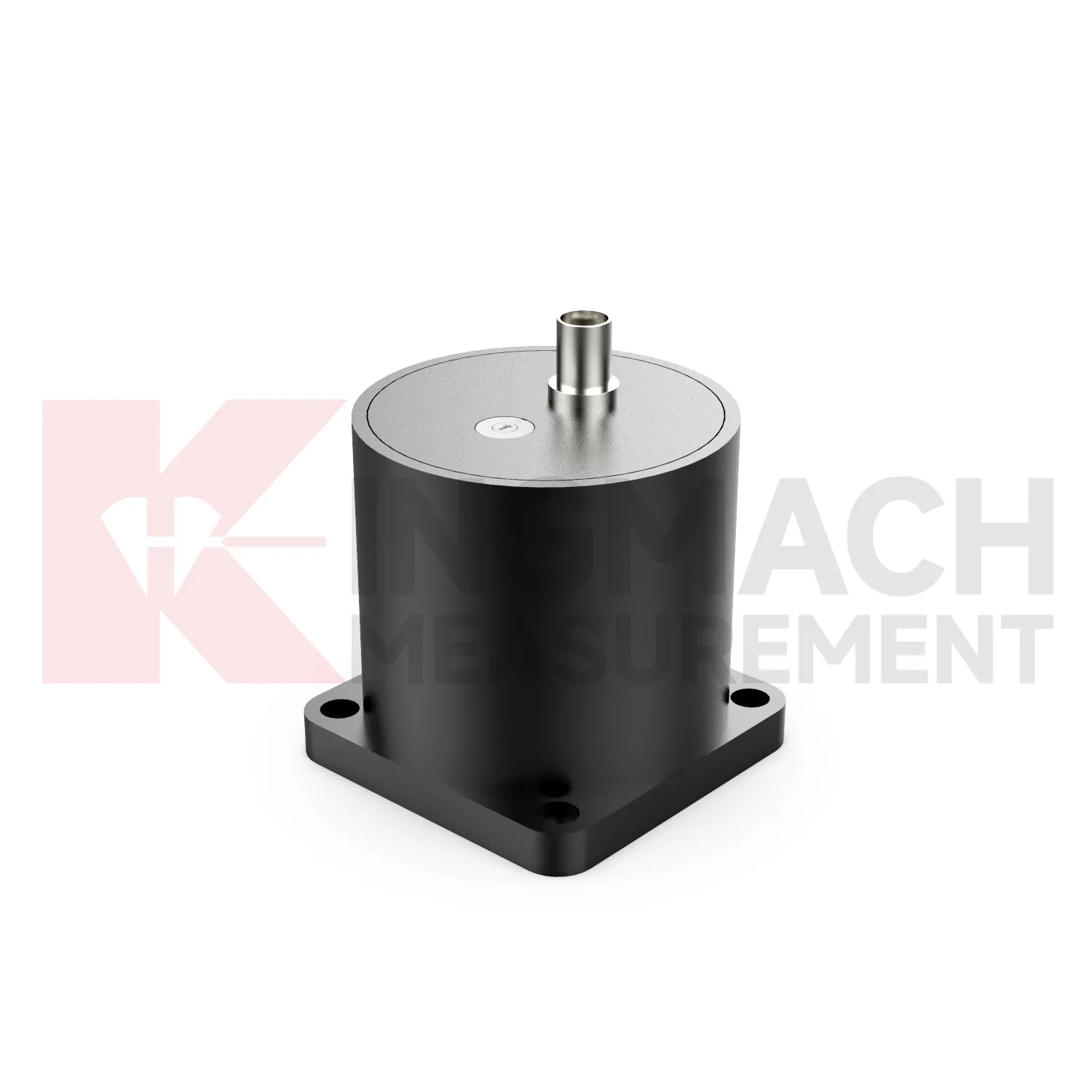
Application of three axis accelerometer
Railway projects use Kingmach three axis accelerometer to study vibration from train passage, track structure response, bridge sections, station buildings, and nearby sensitive structures. The data can help separate normal operational vibration from unusual behavior caused by foundation change, structural looseness, or construction disturbance. Monitoring should identify the track side, structural location, axis direction, and train or work event related to the record. Acceleration results are stronger when reviewed with settlement, displacement, temperature, and inspection records. This keeps dynamic monitoring connected to maintenance and service decisions. A repeated vibration pattern during regular operation may become the baseline, while a new pattern after work or weather may trigger closer review.
Railway records should preserve operating context in a way that bridge or building records may not need. Train type, passing direction, speed condition, maintenance window, nearby track work, and station activity can all influence the signal. If these details are missing, a vibration curve may be technically complete but difficult to explain.
For long corridors, point naming is especially important. A useful railway report should show chainage, line side, structure type, sensor direction, and the event being reviewed. That lets maintenance teams compare one section with another and decide whether the response is local, repeated, or connected to a broader service condition.

The future of three axis accelerometer
Future Kingmach three axis accelerometer will make low-frequency monitoring more practical for flexible structures and ground-motion work. Slow dynamic movement can be difficult to capture and easy to confuse with background conditions. Better acquisition planning, event labeling, and review tools will help engineers separate weak structural response from noise. That capability supports bridges, tall structures, ground pulsation, and seismic stations. The aim is not to flood dashboards with raw traces, but to preserve the meaningful parts of the motion record. Good reporting will show whether a weak signal is repeating, growing, or tied to a known site condition.
Weak-vibration review should include nearby walking, wind, traffic, equipment start-up, and construction activity because these sources can influence the trace. People walking nearby, wind, traffic, equipment start-up, and construction work can all influence the trace, so the field note should capture what was happening around the point.
For high-risk assets, inspection timing should follow events as well as calendar dates. After impact, blasting, severe weather, unusual vibration, or equipment maintenance, the sensor and the data path both deserve a quick check.
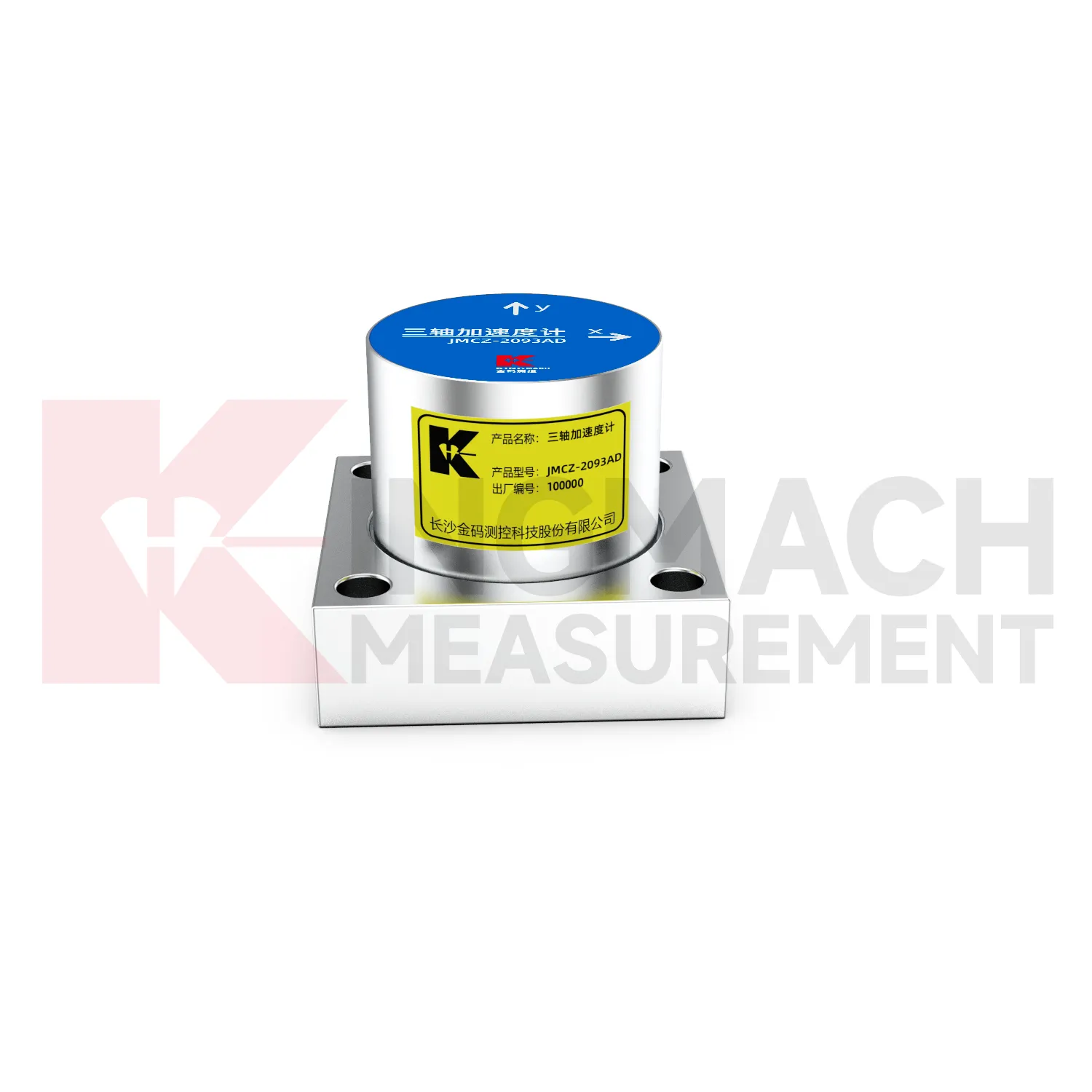
Care & Maintenance of three axis accelerometer
Replacement of Kingmach three axis accelerometer components should be visible in the monitoring record. When a sensor, cable, connector, bracket, acquisition channel, or software setting changes, record the date, reason, old point condition, new point condition, and first stable test. Do not hide replacement by forcing the new record to look continuous without explanation. Future reviewers need to know whether a change in vibration came from the structure or from maintenance. A clear replacement note protects the long-term data story. It also makes handover easier when a new team takes responsibility for the monitoring system.
Weak-vibration review should include nearby walking, wind, traffic, equipment start-up, and construction activity because these sources can influence the trace. People walking nearby, wind, traffic, equipment start-up, and construction work can all influence the trace, so the field note should capture what was happening around the point.
For high-risk assets, inspection timing should follow events as well as calendar dates. After impact, blasting, severe weather, unusual vibration, or equipment maintenance, the sensor and the data path both deserve a quick check.
Kingmach three axis accelerometer
Kingmach three axis accelerometer makes dynamic monitoring practical when acceleration data is connected with the engineering question. The record can help users review bridge vibration, building response, tunnel events, railway effects, machinery behavior, and seismic movement without turning the page into a model list. Buyers need to see how motion becomes evidence: where the sensor is mounted, which axis is reviewed, what event is being captured, and how the waveform supports inspection or maintenance. This product category works best when the page explains the relationship between motion, measurement, and engineering action. That same logic carries from purchase to installation to report review.
For owner handover, the file can include point photos, axis labels, acquisition settings, related structural channels, and examples of normal behavior. That helps future reviewers understand whether a later event is unusual.
Weak-vibration review should include nearby walking, wind, traffic, equipment start-up, and construction activity because these sources can influence the trace.
FAQ
Q: What is event-based vibration monitoring?
A: It records motion during traffic, wind, blasting, impact, machine operation, earthquake activity, or other defined events.
Q: What makes a useful event record?
A: A useful record includes time, sensor location, axis direction, event type, nearby site condition, and related sensor behavior.
Q: How are building vibration records interpreted?
A: They are checked against equipment operation, traffic, construction work, occupancy notes, and structural observations.
Q: How are bridge vibration records interpreted?
A: They may be compared with cable behavior, traffic, wind, strain, displacement, and inspection results.
Q: What causes misleading vibration readings?
A: Loose mounting, cable noise, wrong channel names, poor grounding, local equipment, or missing event notes can mislead reviewers.
Long-term monitoring benefits from repeatable procedure. When the same point, direction, event definition, and analysis method are preserved, new vibration records can be compared with earlier records in a defensible way.
The report should not leave the waveform isolated. It should explain what the asset was doing, why the point was measured, which event triggered interest, and what follow-up action or observation was made.
Reviews
Joshua Clark
We ordered a full monitoring solution including sensors and data loggers. Everything works seamlessly together. Great supplier!
James Thompson
The tiltmeters and accelerometers are very sensitive and provide precise data. Perfect for our structural health monitoring system.
Latest Inquiries
To protect the privacy of our buyers, only public service email domains like Gmail, Yahoo, and MSN will be displayed. Additionally, only a limited portion of the inquiry content will be shown.
Evelyn***@gmail.comSouth Africa
Hi, we are a contractor working on tunnel construction and need settlement sensors and displacement ...
Amelia***@gmail.comSingapore
Hello, I am looking for visualization software for monitoring system data analysis. Please let me kn...