
 EN
EN
 ar
ar bg
bg hr
hr cs
cs da
da nl
nl fi
fi fr
fr de
de el
el hi
hi it
it ko
ko no
no pl
pl pt
pt ro
ro ru
ru es
es sv
sv tl
tl iw
iw id
id lv
lv lt
lt sr
sr sk
sk sl
sl uk
uk vi
vi et
et hu
hu th
th tr
tr fa
fa ms
ms hy
hy ka
ka ur
ur bn
bn mn
mn ta
ta kk
kk uz
uz ku
ku
wireless tiltmeters
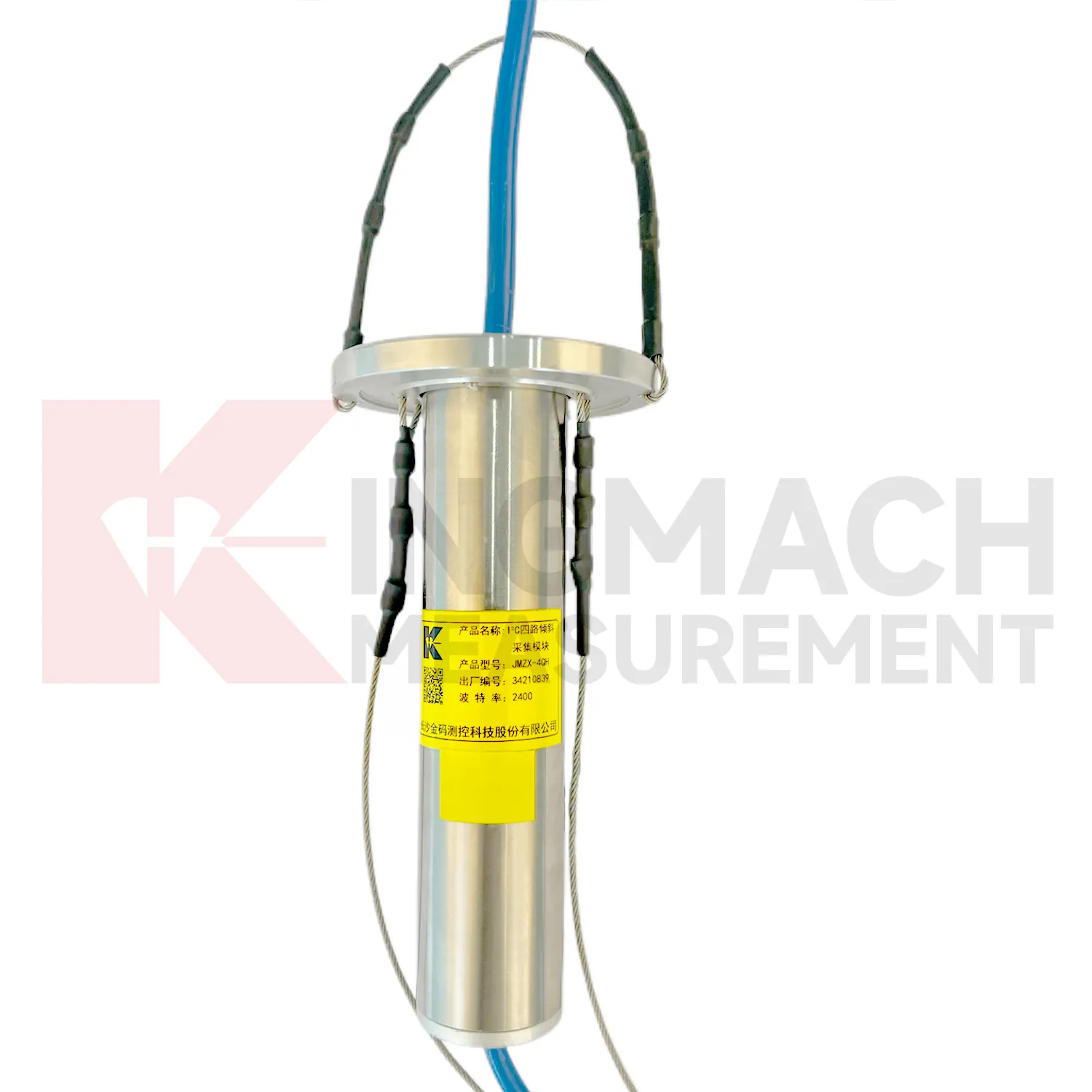
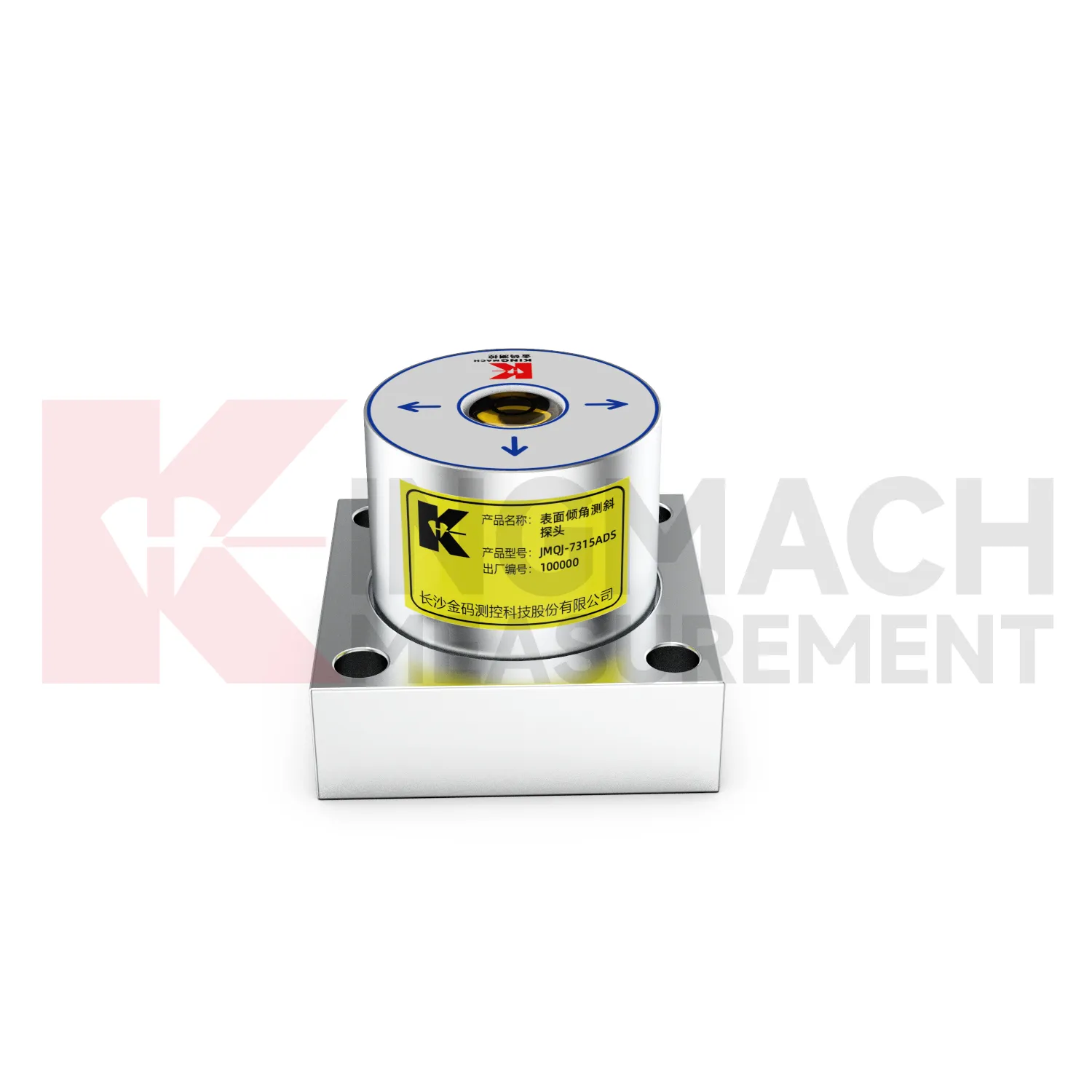
Range and accuracy are central when specifying Kingmach wireless tiltmeters. JMQJ-7315ADS is listed with +/-15 degrees dual-axis range, 0.001 degree resolution, and 0.01 degree accuracy. JMQJ-7315RTU is listed with +/-30 degrees and +/-15 degrees dual-axis options, 0.001 resolution, and +/-0.05%FS accuracy. JMQJ-7915ATS provides dual-axis +/-90 degrees tilt range with 0.001 degree resolution and 0.01 degree accuracy for borehole monitoring. JMZX-7100L also uses a +/-90 degrees sensor range for sliding inclinometer work. These values should be matched to the expected deformation pattern. A bridge bearing seat may need small, stable angular tracking. A borehole in a slope may need a wider tilt range across several depths. A monitoring plan should also define alarm thresholds, data review frequency, temperature context, and comparison instruments.
Application of wireless tiltmeters
Tunnel projects use wireless tiltmeters to observe lining deformation, invert response, station box movement, shaft walls, and surrounding ground behavior. Fixed tiltmeters can be installed on structural surfaces, while in-place inclinometer systems can measure internal movement near excavation zones or adjacent slopes. JMQJ-7315ADS has IP68 protection and RS485 output, making it suitable for wet underground environments when the cable route and cabinet are protected. JMQJ-7315RTU may be useful where wireless transmission is practical. Data review should include excavation stage, support closure, groundwater, vibration, train operation, displacement readings, and crack records. The installation file should show chainage, ring number, side, axis direction, and photographs because many tunnel points look similar after construction finishes.
The future of wireless tiltmeters
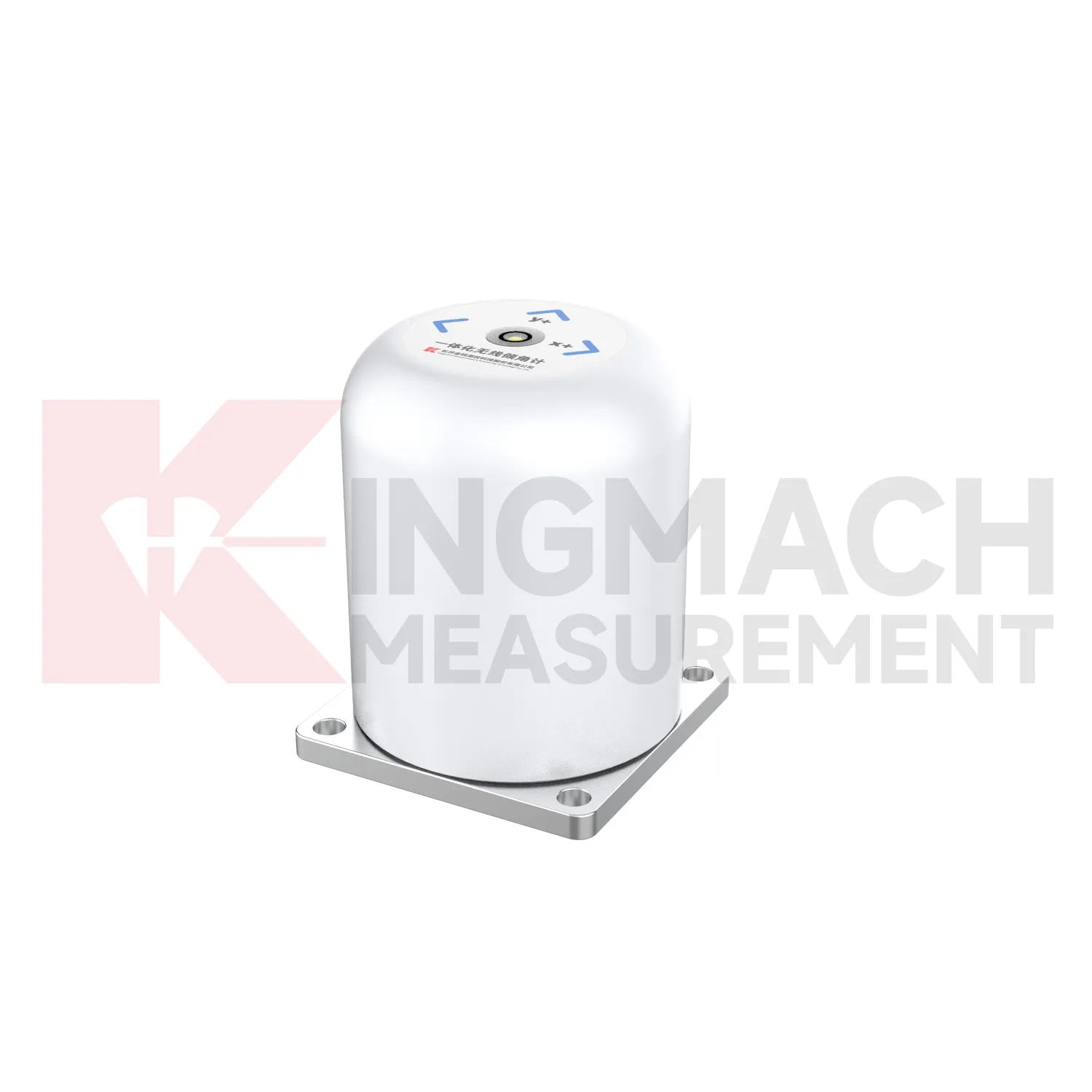
The future of wireless tiltmeters will be shaped by cleaner digital records. Tilt monitoring often continues after the construction team leaves, so a future-ready file should keep model, range, serial number, axis direction, baseline, mounting photograph, channel address, communication mode, battery record, and maintenance notes together. Kingmach products already include electronic codes, digital communication, 4G output, and acquisition modules that can support this direction. The next step is making those records easy to hand over from contractor to owner. A tilt curve without installation context can be difficult to interpret years later. A tilt curve with a clear instrument history can support inspection, maintenance planning, and engineering review across the full service life of the structure.
Care & Maintenance of wireless tiltmeters
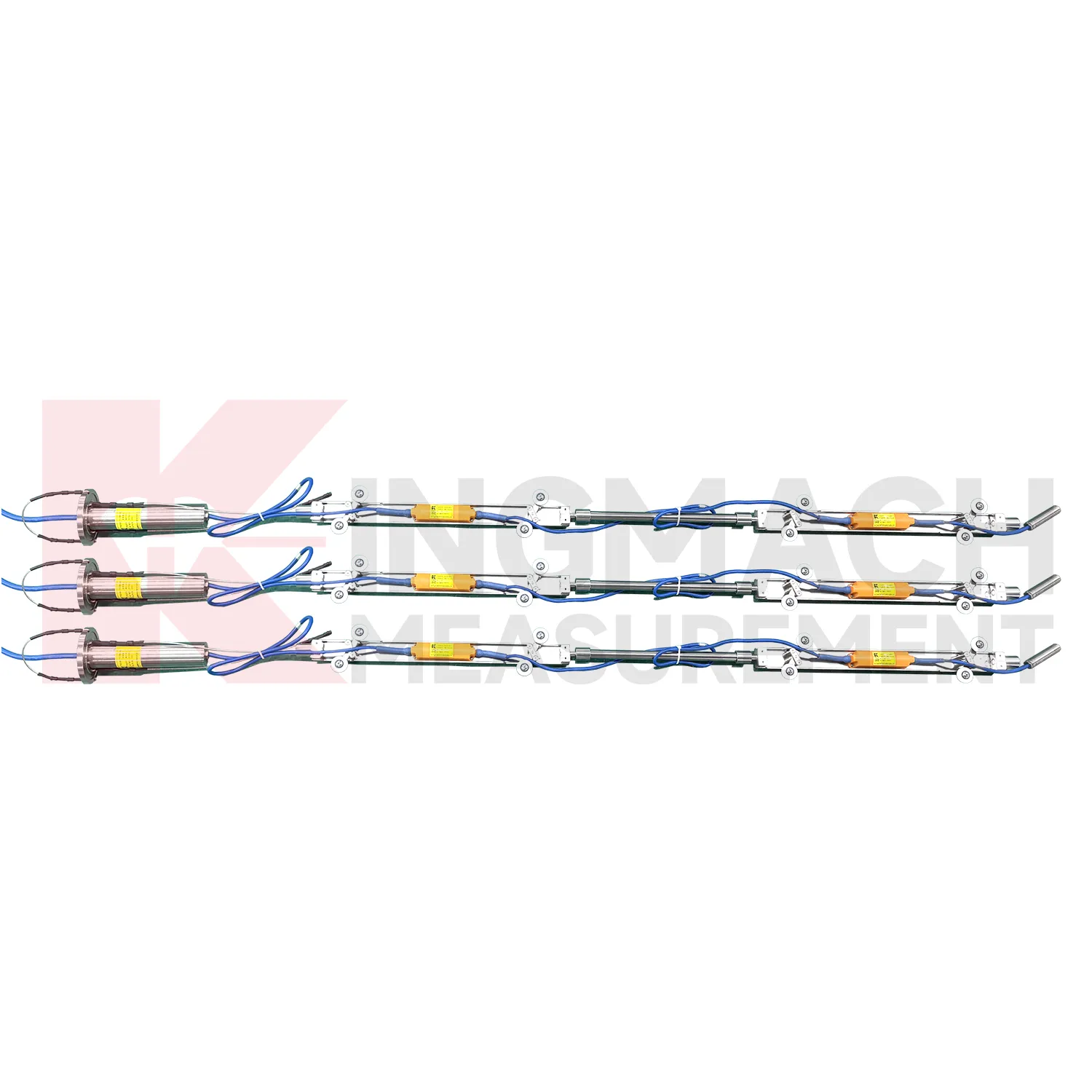
Care and maintenance of wireless tiltmeters should start with the mounting surface. A fixed tiltmeter such as JMQJ-7315ADS or JMQJ-7315RTU needs a firm, clean, and stable base. Loose bolts, uneven grout, painted debris, or a flexing bracket can create angle changes that do not belong to the structure. Before acceptance, record the mounting face, axis direction, bolt condition, baseline value, sensor serial number, and installation photograph. During inspection, check for impact marks, corrosion, cable strain, water entry, and any work that may have disturbed the point. If the mounting surface changes, keep both the old and new baseline records. Tilt monitoring depends on a stable physical reference, so mechanical care is measurement care.
Kingmach wireless tiltmeters
A well planned Kingmach wireless tiltmeters installation starts with the engineering question, not with the sensor model. Is the project checking bridge pier rotation, building tilt, retaining wall movement, slope depth deformation, railway foundation behavior, or underground construction response? The answer determines whether a fixed biaxial tiltmeter, wireless integrated unit, sliding inclinometer, vertical in-place string, or acquisition module is required. It also determines where the reference direction should be marked, how often readings are taken, and what warning level means. Product parameters such as +/-15 degrees, +/-30 degrees, +/-90 degrees, 0.001 degree resolution, RS485, 4G, Bluetooth, IP68, IP67, and operating temperature should be linked to that project question. Clear planning keeps tilt monitoring useful throughout installation, commissioning, operation, and later review.
FAQ
Q: How should wireless tiltmeters be installed?
A: The mounting surface or borehole position should be stable, the axis direction must be recorded, and the baseline should be saved after the instrument settles.Q: Why is axis direction important?
A: Tilt values only have engineering meaning when the positive and negative directions are tied to the structure, slope, tunnel, or borehole drawing.Q: Can these instruments work in wet sites?
A: Several Kingmach models list IP65, IP67, or IP68 protection, but glands, connectors, cabinets, and cable entries still need field inspection.Q: What should be checked during commissioning?
A: Check model, range, serial number, communication, power, baseline, point name, mounting photo, channel address, and related site condition.Q: Can a tiltmeter be reset after installation?
A: It can be re-baselined when necessary, but the old value, new value, reason, date, and technician should remain visible in the record.
Reviews
Michael Anderson
The strain gauges and load cells are extremely accurate and stable. They performed very well in our bridge monitoring project. Highly recommended!
Daniel Brown
Excellent environmental monitoring sensors. The data is consistent, and the system integrates smoothly with our existing setup.
Latest Inquiries
To protect the privacy of our buyers, only public service email domains like Gmail, Yahoo, and MSN will be displayed. Additionally, only a limited portion of the inquiry content will be shown.
Isabella***@gmail.comGermany
Hello, we are evaluating weir flow meters for a water management project. Please share accuracy deta...
Sophia***@gmail.comUnited Kingdom
Good day, we need environmental monitoring sensors including temperature, humidity, and wind sensors...