
 EN
EN
 ar
ar bg
bg hr
hr cs
cs da
da nl
nl fi
fi fr
fr de
de el
el hi
hi it
it ko
ko no
no pl
pl pt
pt ro
ro ru
ru es
es sv
sv tl
tl iw
iw id
id lv
lv lt
lt sr
sr sk
sk sl
sl uk
uk vi
vi et
et hu
hu th
th tr
tr fa
fa ms
ms hy
hy ka
ka ur
ur bn
bn mn
mn ta
ta kk
kk uz
uz ku
ku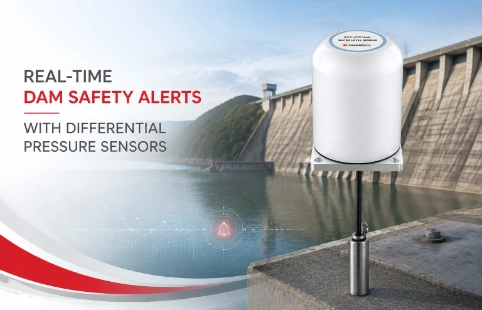
Real-Time Dam Safety Alerts with Differential Pressure Water Level Sensors
Key Takeaways An alert chain needs more than a sensor: define field in...

Crack Displacement Transducers Market and Our Solutions
Crack displacement transducers are finding more work as aging infrastructure demands closer monitoring. Dams, bridges, and tunnels all rely on these instruments to catch movement before it leads to failure. The market has grown steadily, driven by tightening safety regulations and a push for automated data collection. Kingmach sits in the middle of this activity, supplying sensors and systems to engineers worldwide. We don’t just sell off-the-shelf units; we work with project teams to match the instrument to the job, whether that means a standard potted transducer or a custom-built setup for a tricky rock face. This page outlines the market landscape and shows how we fit into it.
Technical Detail
Kingmach manufactures a broad range of crack displacement transducers for geotechnical and structural monitoring. Our catalog spans simple mechanical gauges to digital sensors with wireless output, covering common measuring ranges from a few millimeters to several centimeters. Because every site is different, we keep customization as a core offering—mounting brackets, cable lengths, and protection ratings can all be adjusted to suit field conditions. Buyers often ask about long-term stability in harsh environments. Our transducers use sealed potentiometric or vibrating wire elements that hold calibration well over years of service. Technical support doesn’t end with delivery; our engineers stay involved during installation and data commissioning. We ship to over 40 countries through a network of local distributors, which helps keep lead times reasonable and spares accessible. For projects that call for integrated monitoring, we also supply data loggers and cloud platforms that pull readings from multiple transducers into one dashboard.
News
Key Takeaways An alert chain needs more than a sensor: define field in...
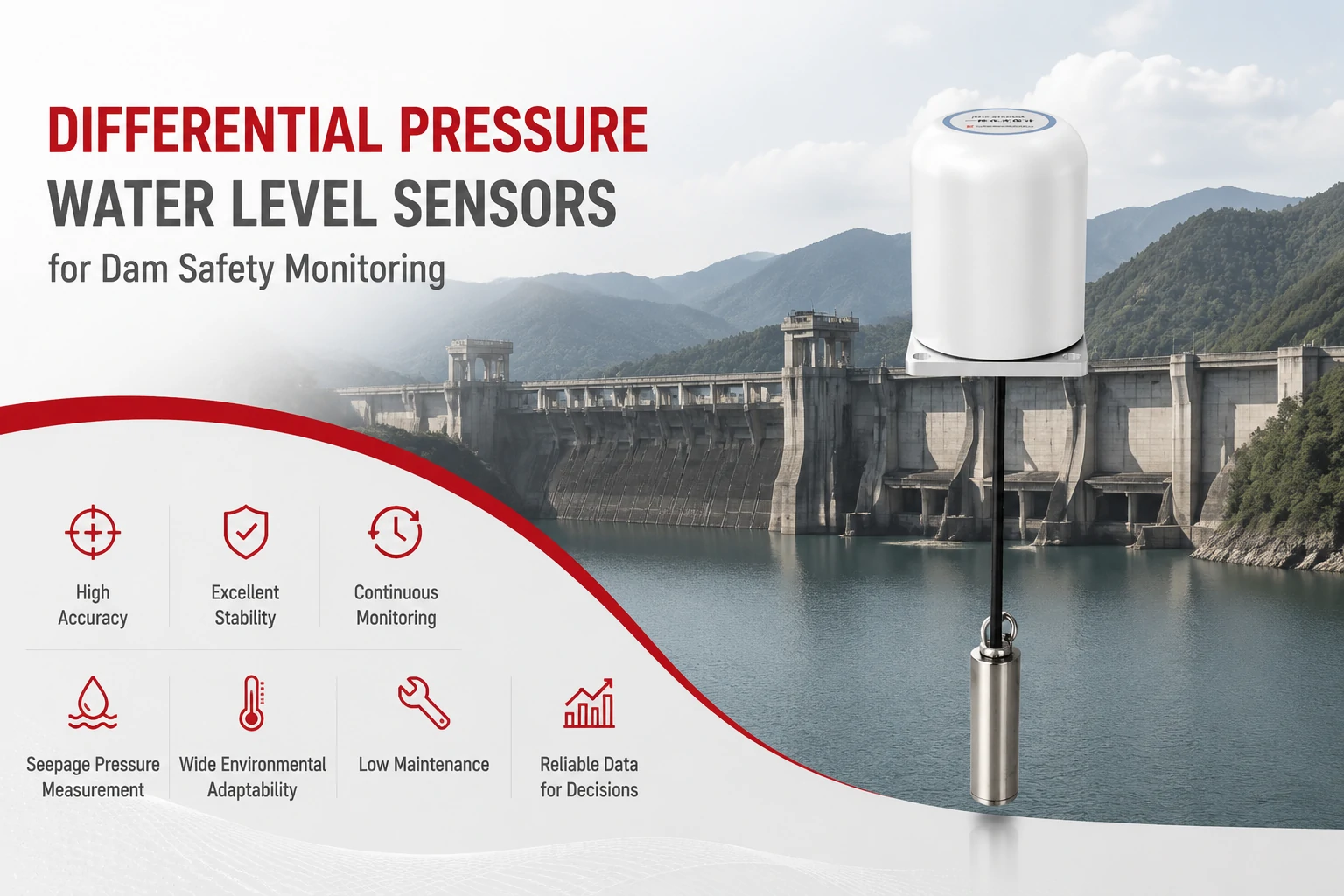
Key Takeaways The strongest fit is usually a confined, submerged, or s...
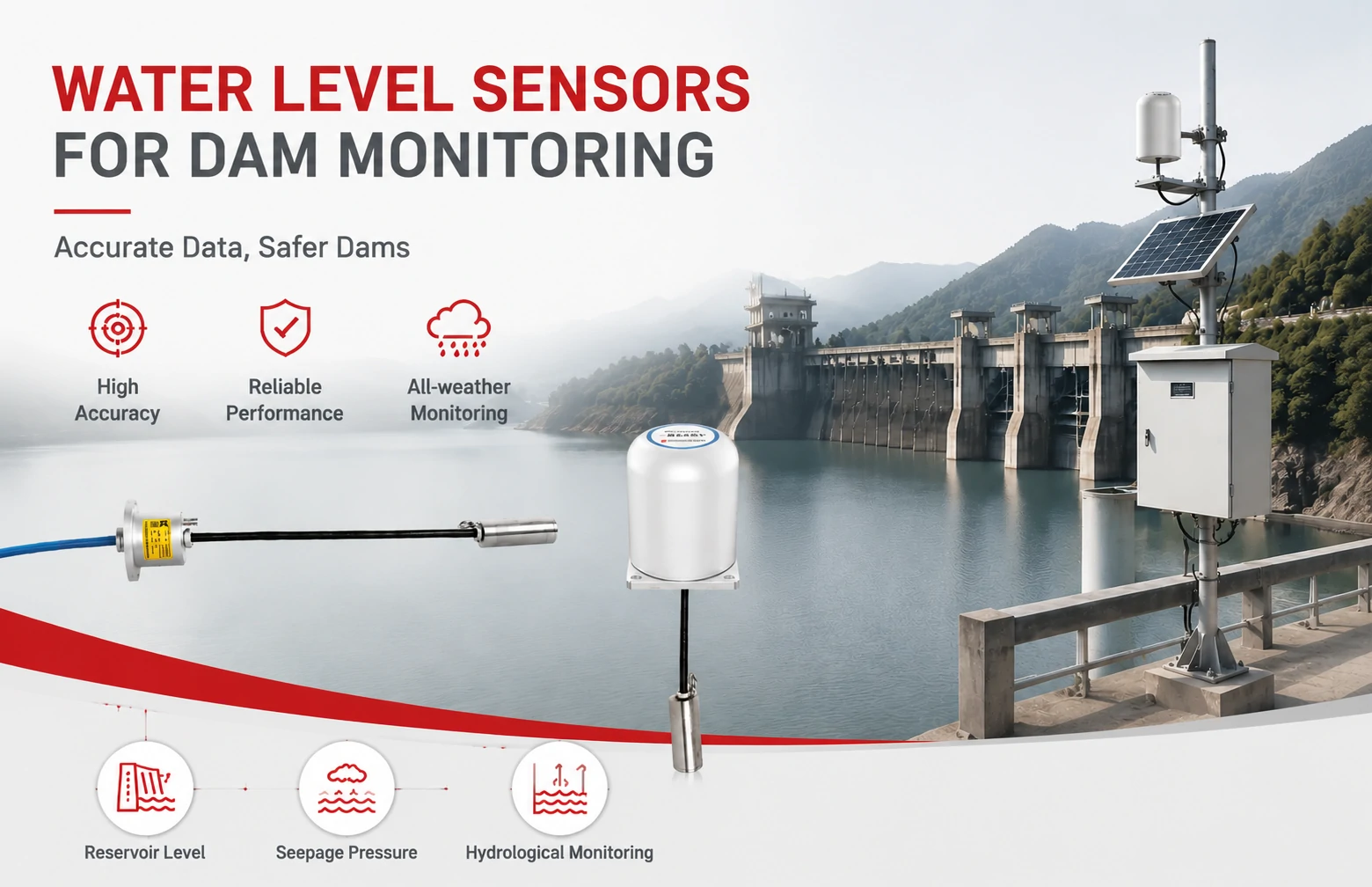
Kingmach Water Level Sensors for Dam Monitoring: A Buyer's Guide to Differential Pre...
Products
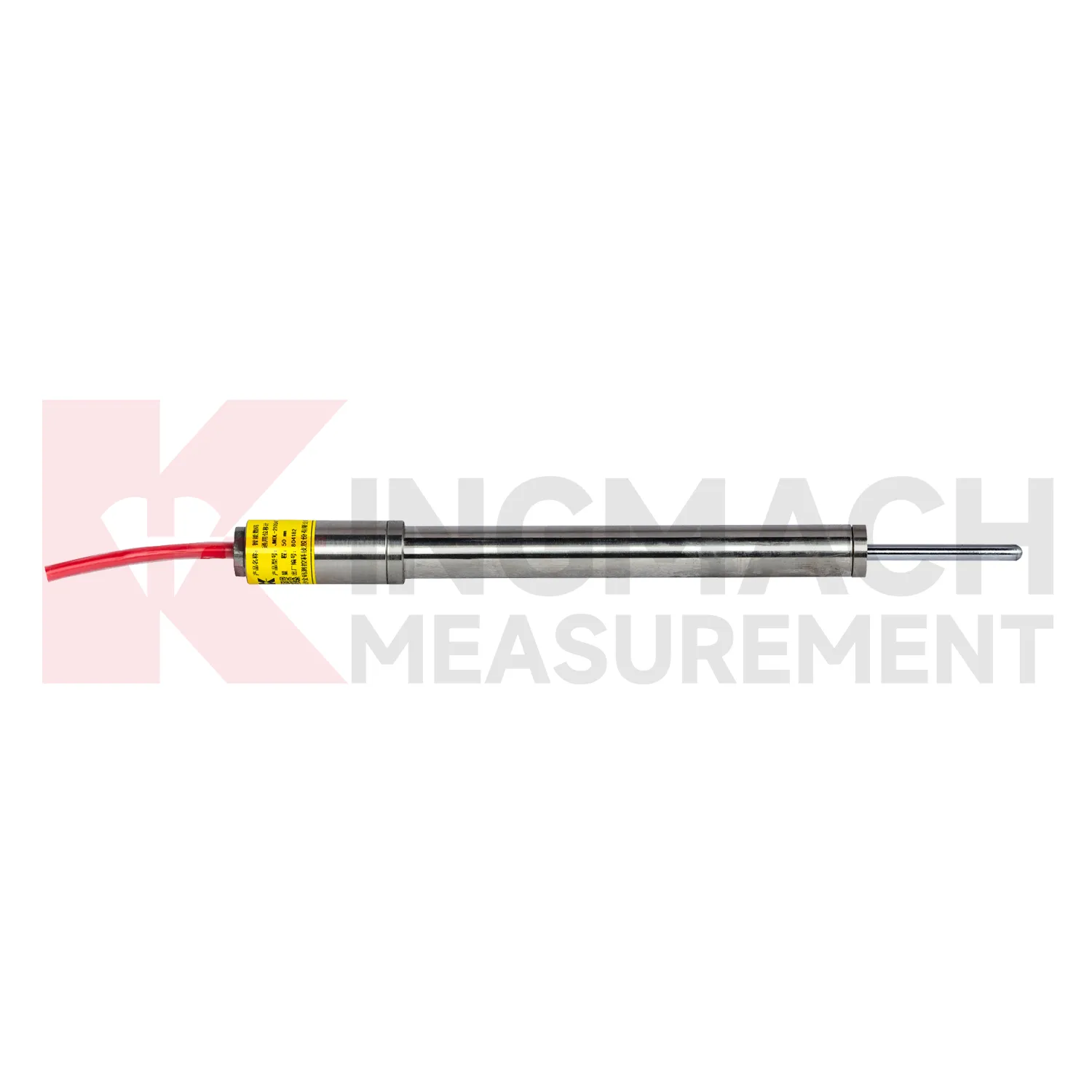
Smart General-Purpose Displacement MeterJMDL-21XXAT
View Details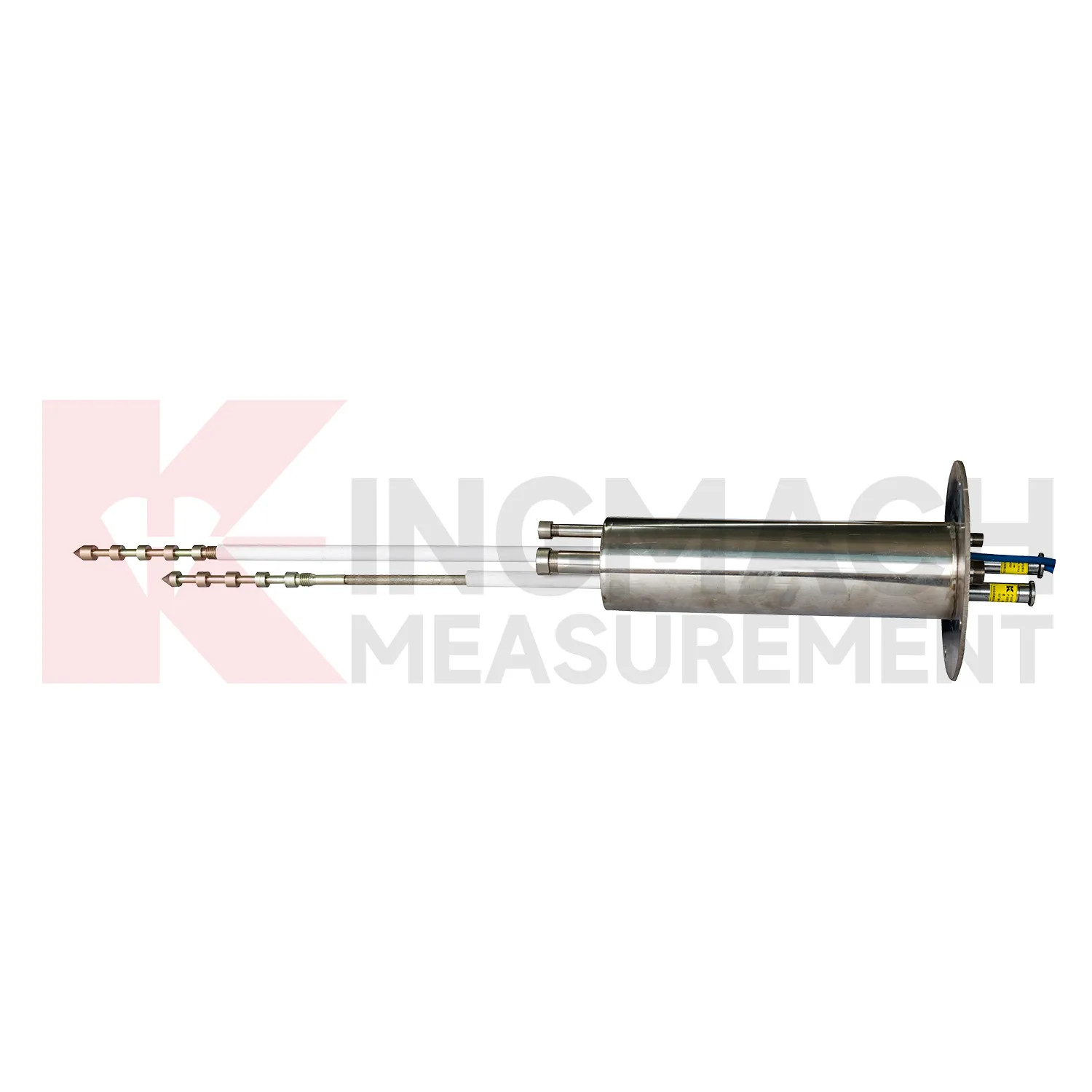
Smart Multipoint Displacement Meter JMDL-31XXAT
View Details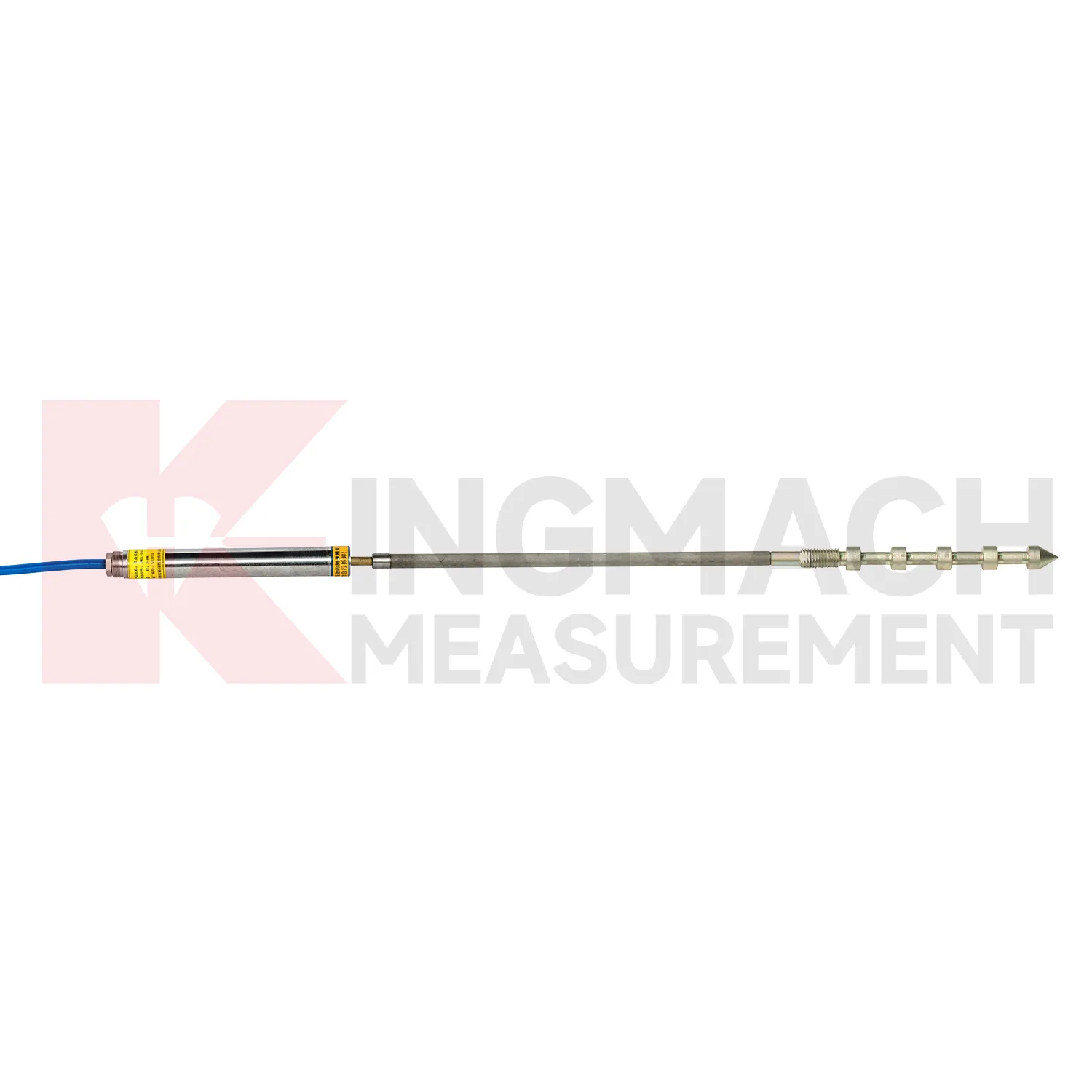
Smart Single-Point Bedrock Displacement Meter JMDL-32XXAT
View DetailsFAQ
We carry potentiometric, vibrating wire, and digital types. The choice depends on accuracy needs and connection to existing data loggers. Most projects use either vibrating wire for long-term stability or potentiometric for lower-cost dynamic monitoring.
Yes. We regularly adjust stroke length, mounting plates, and cable exits to fit site constraints. Give us the crack dimensions and access conditions, and we will propose a build that works.
We provide remote setup guidance, on-site training when needed, and troubleshooting over email or call. Our local distributors often handle first-line support, which speeds things up.
Lead times vary by region, but standard units usually ship within two to three weeks from our warehouse or the nearest distributor stock. Custom builds take longer depending on the changes.
Structural health monitoring for bridges and dams is the biggest, followed by tunnel linings, heritage buildings, and slope stability projects. Underground mines also use them to watch for roof cracks.
Share your product type, target capacity, and application requirements. Our team can review the details and recommend a practical next step.
Related Keywords
If you are interested in our products or want to become our partner.
Please leave your contact information, our team will contact you as soon as possible.
Mail: [email protected]
Contact Us: +8613808434127
Address: No. 188 Tongzipo West Rd, Changsha, Hunan, China