
 EN
EN
 ar
ar bg
bg hr
hr cs
cs da
da nl
nl fi
fi fr
fr de
de el
el hi
hi it
it ko
ko no
no pl
pl pt
pt ro
ro ru
ru es
es sv
sv tl
tl iw
iw id
id lv
lv lt
lt sr
sr sk
sk sl
sl uk
uk vi
vi et
et hu
hu th
th tr
tr fa
fa ms
ms hy
hy ka
ka ur
ur bn
bn mn
mn ta
ta kk
kk uz
uz ku
ku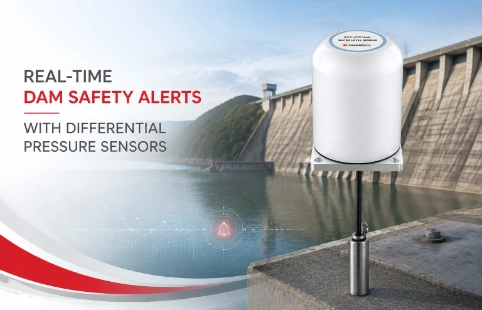
Real-Time Dam Safety Alerts with Differential Pressure Water Level Sensors
Key Takeaways An alert chain needs more than a sensor: define field in...

Laser Displacement Sensors for Monitoring
In geotechnical monitoring, measuring small shifts in structures can prevent big problems. Laser displacement sensors are a practical choice when contact methods won’t work—measuring movement on a high bridge pier, monitoring a landslide from a safe distance, or tracking deflection inside a tunnel. The technology bounces a laser beam off a target and measures the time or angle to determine distance. It’s fast, repeatable, and doesn’t need physical contact. Kingmach Measurement & Monitoring Technology has supplied these sensors into projects where 24/7 data matters. With a mid-range product line, the focus is on delivering instruments that balance performance and budget. Rather than a one-size-fits-all approach, the team often works with engineers to adjust range, output signal, or housing to fit the job. Field support and after-sales service are part of the deal, especially when installations happen in remote or harsh environments. Being part of a wider geotechnical instrument range also means sensors can feed into existing data loggers and software without extra headaches.
Technical Detail
Kingmach’s laser displacement sensors are designed for long-term geotechnical and structural monitoring. The lineup covers typical measurement spans from millimeters up to hundreds of meters, depending on the model and target reflectivity. Accuracy often sits in the sub‑millimeter range under controlled conditions, though field performance can vary with dust, rain, or vibration. The sensors output standard analog or digital signals, so connecting to popular data acquisition systems is straightforward. An IP67 or similar rating is common on the higher-end options, which helps when installed in wet concrete, exposed slopes, or tunnel environments. The company doesn’t just sell off-the-shelf units; customization is a real option. Engineers regularly provide sensors with specific cable lengths, connector types, or even adapted laser classes for eye‑safety regulations in public areas. Sample rates and averaging can often be tuned to filter out noise from passing traffic or swaying mounts. Kingmach’s distribution network spans several countries, meaning local support and spare parts are accessible. Since laser sensors are just one part of a broader monitoring toolkit—think total stations, inclinometers, and piezometers—customers get the benefit of a supplier who understands the whole system. Technical queries usually go directly to experienced support staff rather than through layers of general customer service. In practice, that means quicker answers on how to mount a sensor on a vibrating structure or how to correct for thermal expansion in long‑term baselines. The brand isn’t trying to be the cheapest, but it aims to be the one engineers call when standard solutions don’t quite fit or when they need reliable advice for tricky installations.
News
Key Takeaways An alert chain needs more than a sensor: define field in...
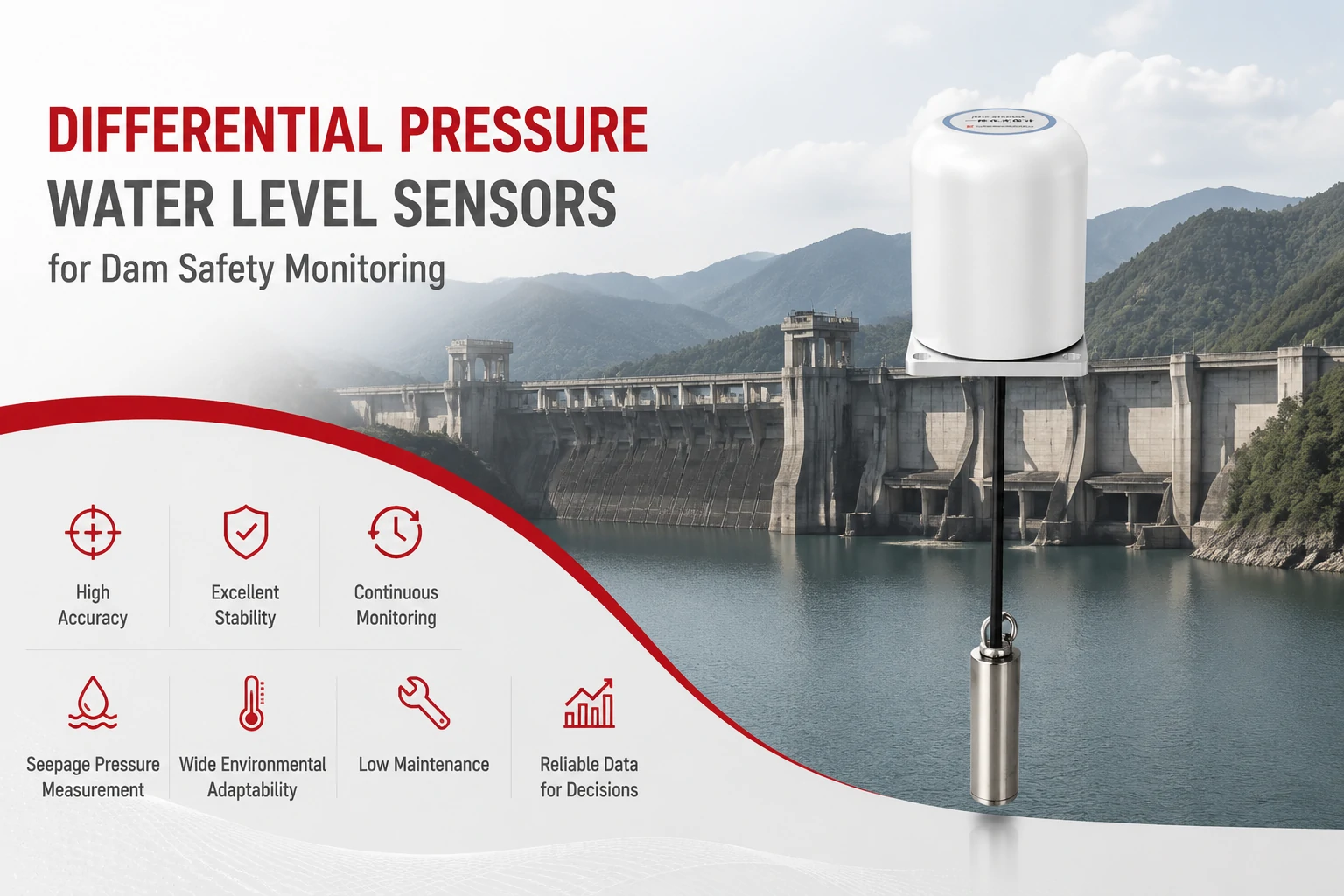
Key Takeaways The strongest fit is usually a confined, submerged, or s...
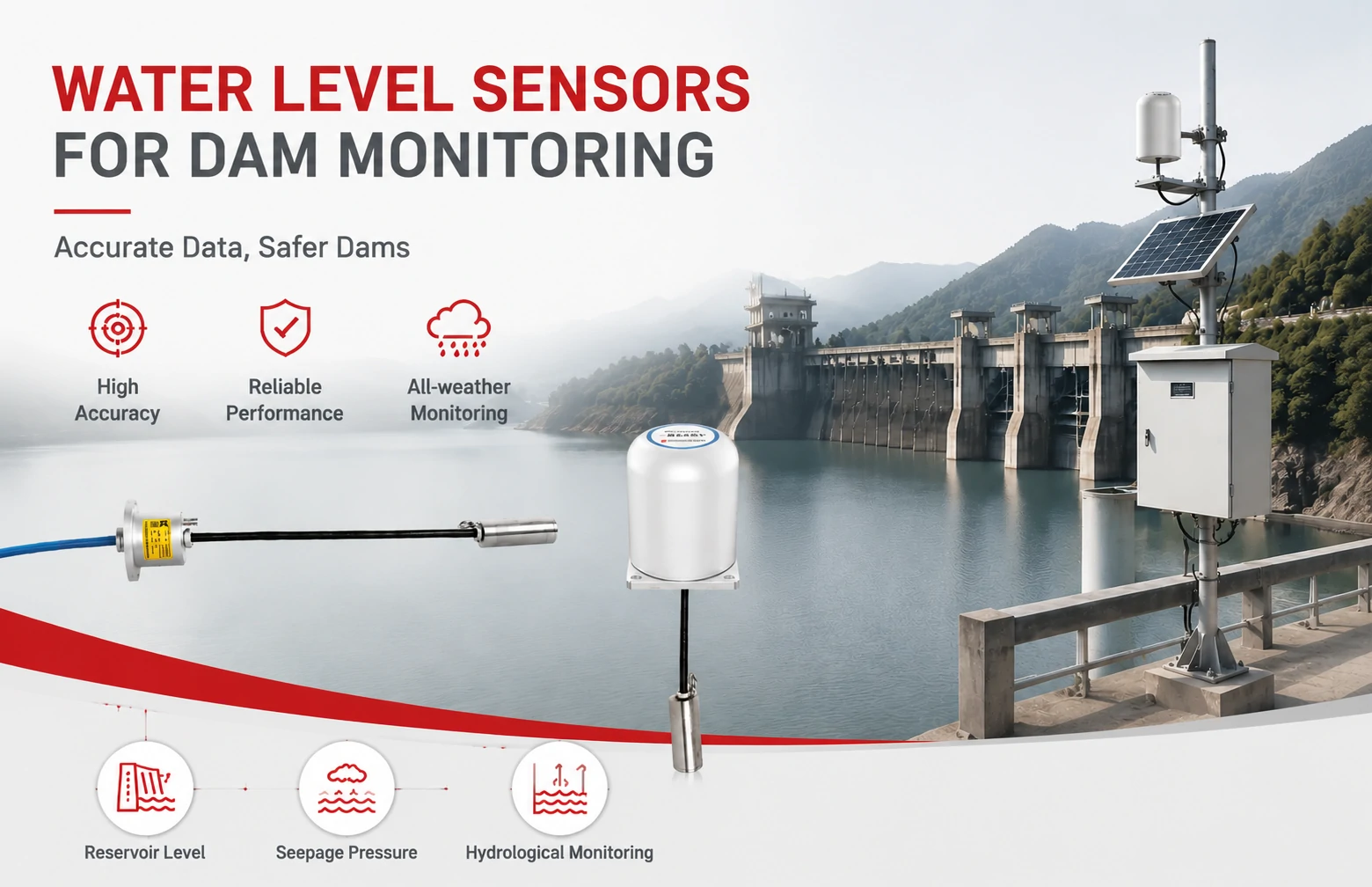
Kingmach Water Level Sensors for Dam Monitoring: A Buyer's Guide to Differential Pre...
Products
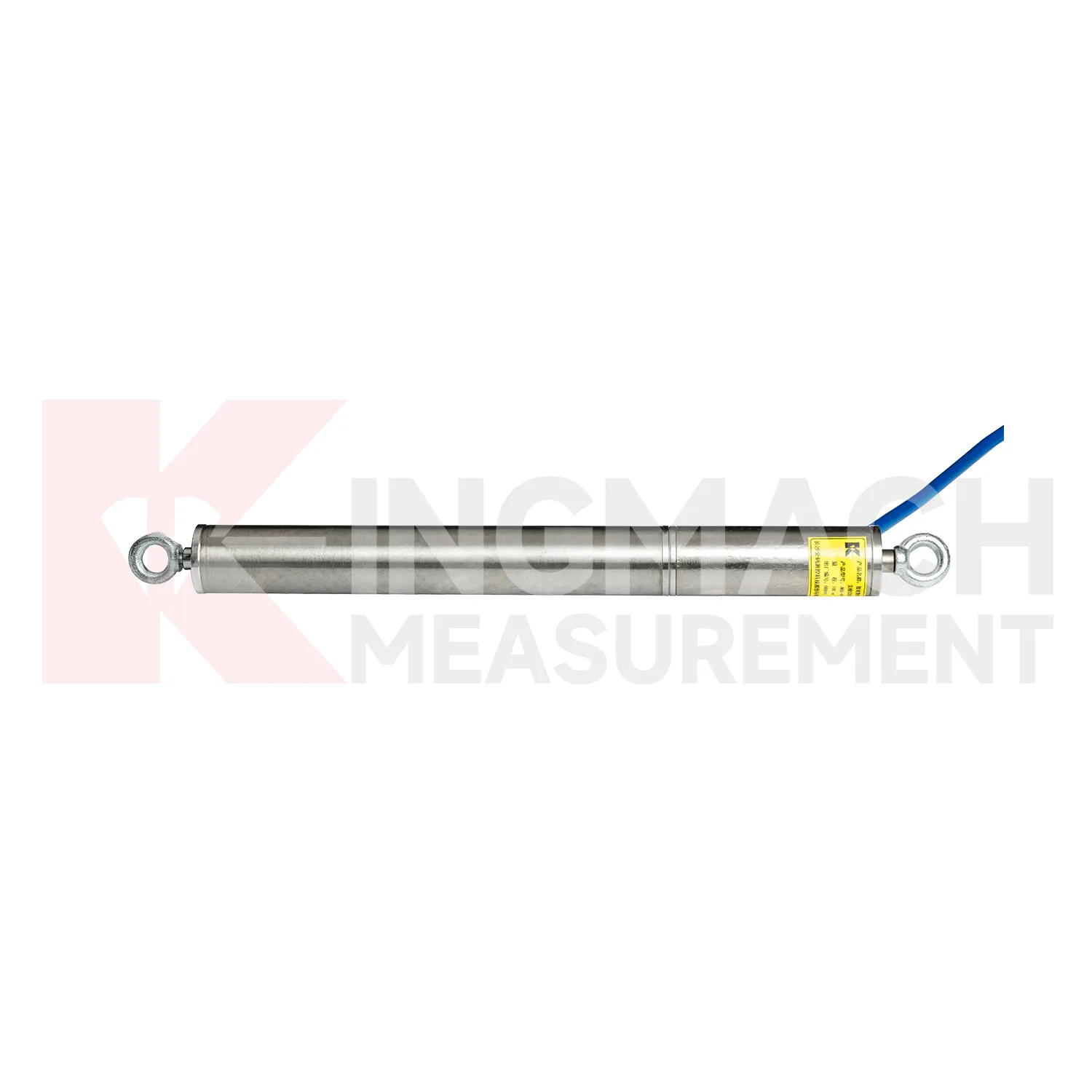
Smart Formwork Displacement Meter/ Steel Wire Displacement Meter JMDL-49XXAT
View Details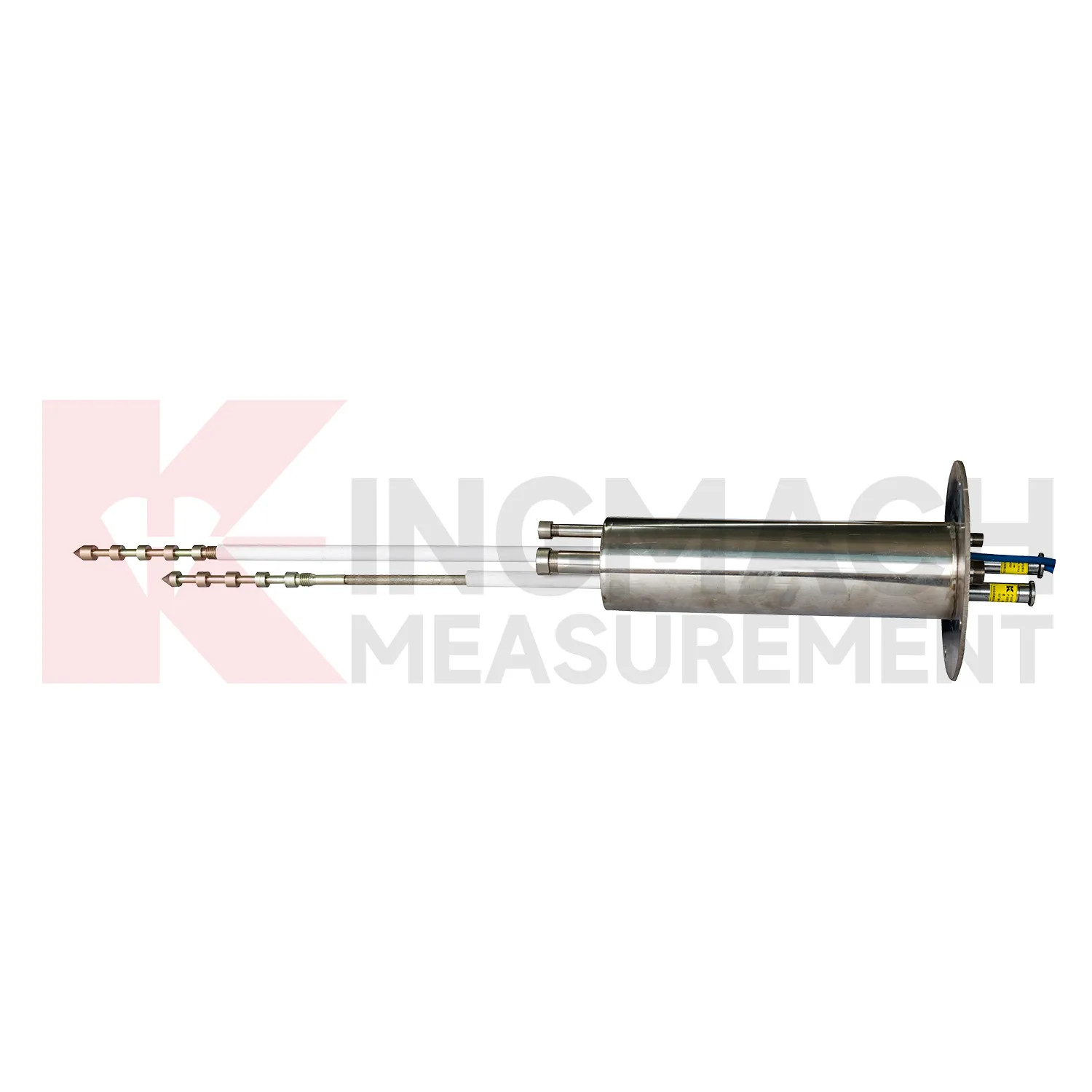
Smart Multipoint Displacement Meter JMDL-31XXAT
View Details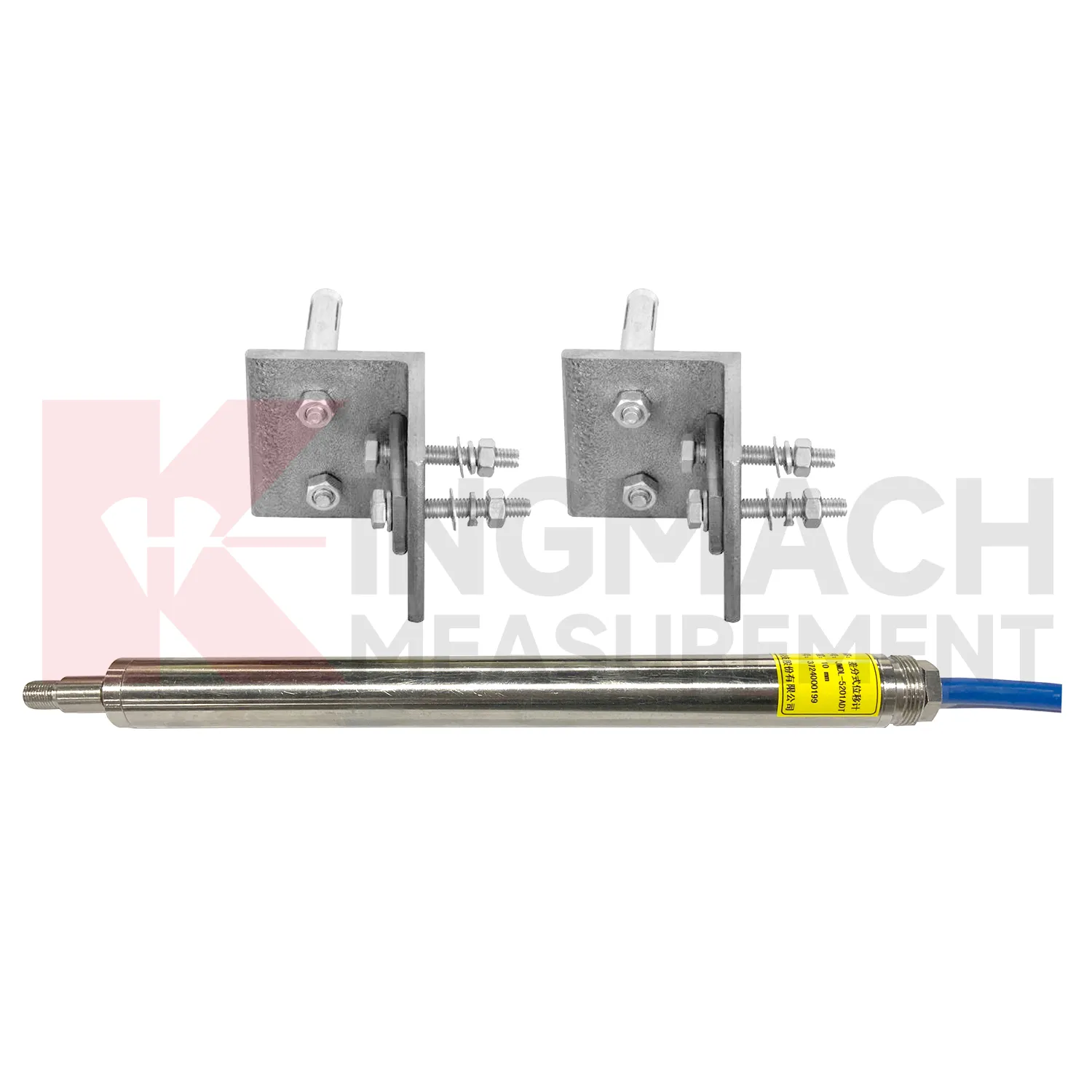
FAQ
Common applications include bridge deflection monitoring, landslide or rockfall detection, tunnel convergence measurement, and dam displacement analysis. Any situation where you need to track position changes without touching the structure is fair game.
Start by estimating the expected movement magnitude and distance to the target. Add a safety margin for mounting variability. Kingmach’s team can walk through the options once you have a basic project layout and target surface details.
Many models are built for outdoor use. Look for IP67 or similar ratings, and consider sun shields or heating for extreme climates. The housing and cable glands are usually specified to handle rain, dust, and temperature swings.
Yes. Most sensors output standard signals like 4-20 mA, RS-485, or Modbus. If your data logger or SCADA supports these protocols, integration is typically plug-and-play, though sometimes you’ll need to configure baud rates or scaling factors.
Common customizations include longer cables, specific connectors, output signal tweaks, and laser class adjustments for public safety. Less common requests—like mounting brackets for unusual surfaces—are often possible with a bit of lead time.
Share your product type, target capacity, and application requirements. Our team can review the details and recommend a practical next step.
Related Keywords
If you are interested in our products or want to become our partner.
Please leave your contact information, our team will contact you as soon as possible.
Mail: [email protected]
Contact Us: +8613808434127
Address: No. 188 Tongzipo West Rd, Changsha, Hunan, China