
 EN
EN
 ar
ar bg
bg hr
hr cs
cs da
da nl
nl fi
fi fr
fr de
de el
el hi
hi it
it ko
ko no
no pl
pl pt
pt ro
ro ru
ru es
es sv
sv tl
tl iw
iw id
id lv
lv lt
lt sr
sr sk
sk sl
sl uk
uk vi
vi et
et hu
hu th
th tr
tr fa
fa ms
ms hy
hy ka
ka ur
ur bn
bn mn
mn ta
ta kk
kk uz
uz ku
ku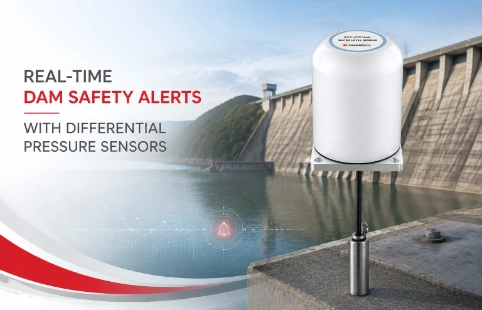
Real-Time Dam Safety Alerts with Differential Pressure Water Level Sensors
Key Takeaways An alert chain needs more than a sensor: define field in...

Wireless Pressure Data Loggers Built for Tough Field Conditions
Monitoring pressure in remote boreholes or water networks doesn’t have to mean site visits every few days. A wireless pressure data logger that sends readings on schedule lets you keep tabs without the travel. Kingmach builds these loggers for geotechnical and industrial environments where signals need to get through and sensors need to last. They’re used in everything from pore pressure monitoring behind dams to tracking line pressure in irrigation districts. What sets them apart is the attention to compatibility—you can pair the logger with most standard pressure sensors, not just a proprietary range. That matters when you already have sensors in the field or need a specific measurement range. The units typically use low-power wide-area networks to push data to your server, with local storage as a fallback. Installation is straightforward: mount the box, connect the sensor, and configure the sampling interval and alarm thresholds. If your project has unusual requirements, we often adjust cable lengths, pressure ranges, or enclosure materials at the factory.
Technical Detail
Kingmach’s wireless pressure data loggers are designed around a few core ideas: keep the sampling reliable, the transmission flexible, and the installation simple. The input side accepts 4-20mA or 0-10V signals from third-party pressure transmitters, so you’re not locked into a specific sensor brand. That also means you can choose a sensor for corrosive media, high temperatures, or depths that off-the-shelf kits can’t handle. On the output side, you get choices too. Depending on your site’s signal coverage, the logger ships with either LoRaWAN (for gateway-based networks) or NB-IoT / Cat-M1 (for direct cellular uploads). We’ve found that most sites do fine with hourly reporting and a local 128 MB flash backup that holds months of 5-minute data. The weatherproof enclosure carries an IP66 rating, and the internal battery pack usually runs two to three years without replacement—longer if you stick to daily summaries. Configuring the device is done through a USB connection or remotely once it’s online. Threshold alarms for high or low pressure can trigger SMS or email alerts. Because we manufacture in-house, it’s common for clients to ask for custom pressure ranges, special cable lengths, or different antenna connectors. Our engineering team keeps a library of past customizations, so there’s a good chance we already have a template that fits your project. For geotechnical applications, we’ve supplied loggers for piezometers in unstable slopes and for water pressure monitoring in tunnels. The same hardware has gone out to oil & gas sites for casing pressure checks and to municipal water networks for leak detection. You can view live data and download history through a web dashboard we provide, or we can hand over the raw API if your team prefers to integrate into an existing SCADA or GIS platform. Support doesn’t stop at shipping—our application engineers will walk you through the first setup call and help troubleshoot network connections if needed. A lot of our repeat orders come from operators who initially bought one or two units to test, then rolled them out across multiple sites.
News
Key Takeaways An alert chain needs more than a sensor: define field in...
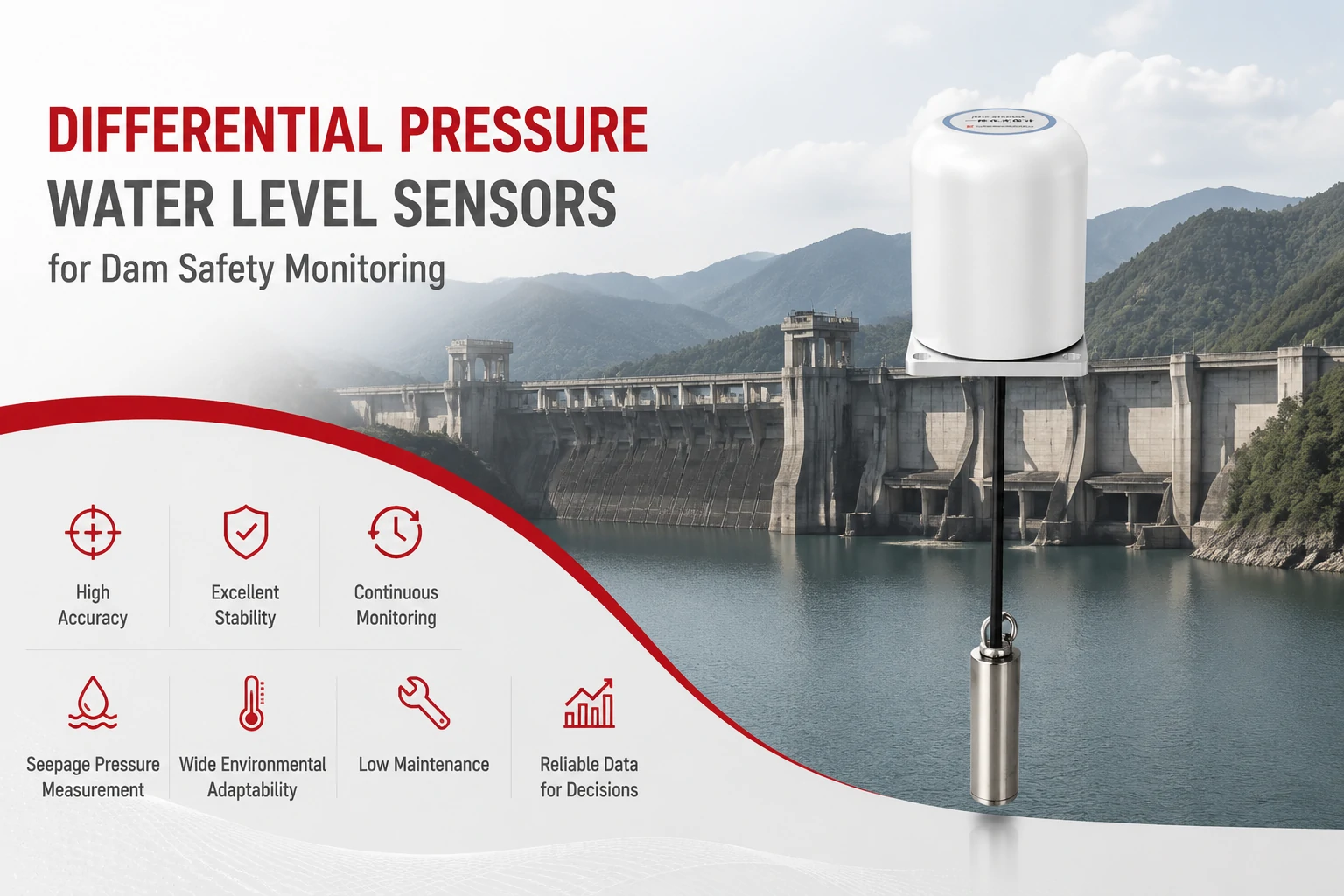
Key Takeaways The strongest fit is usually a confined, submerged, or s...
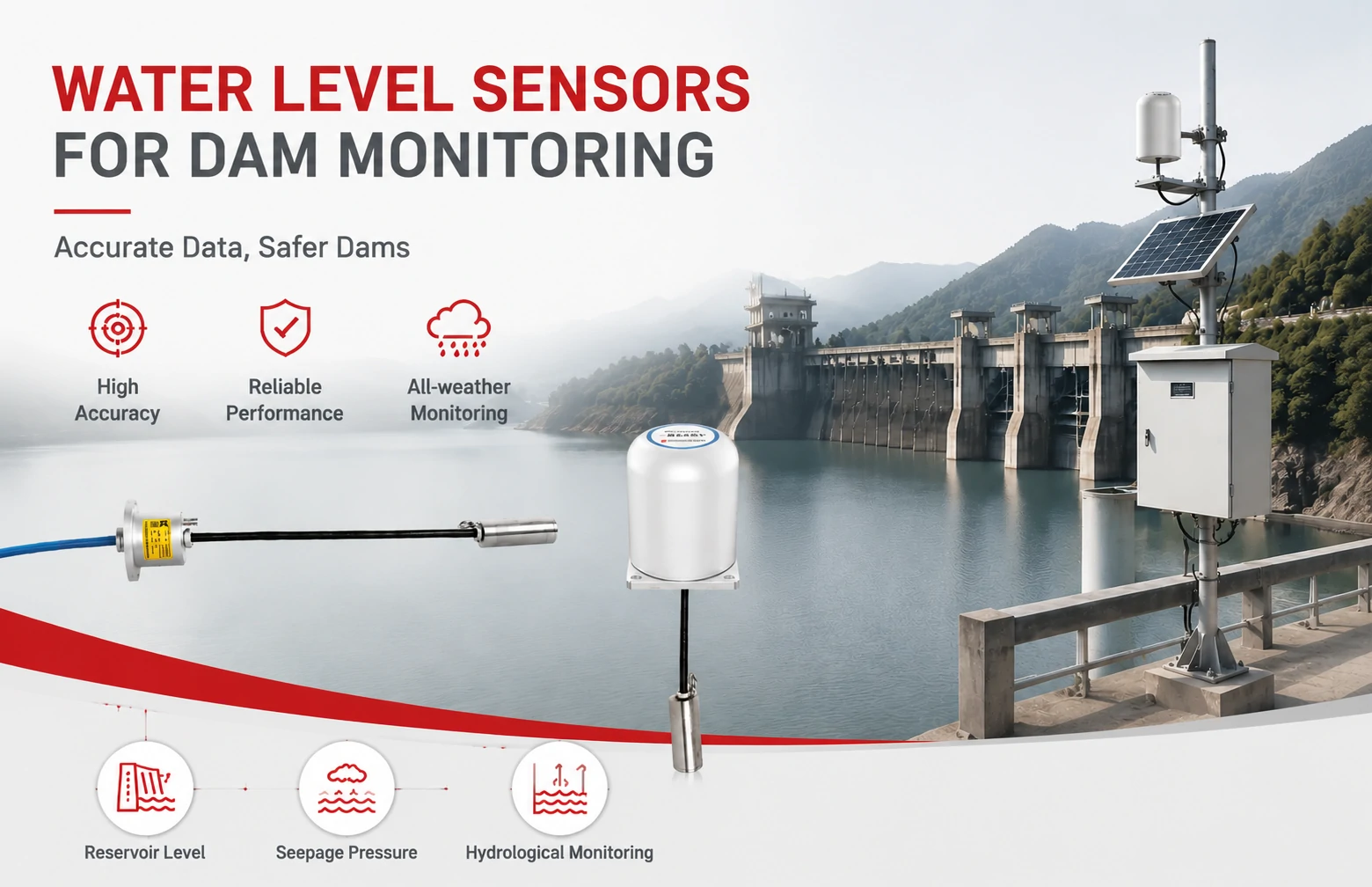
Kingmach Water Level Sensors for Dam Monitoring: A Buyer's Guide to Differential Pre...
Products
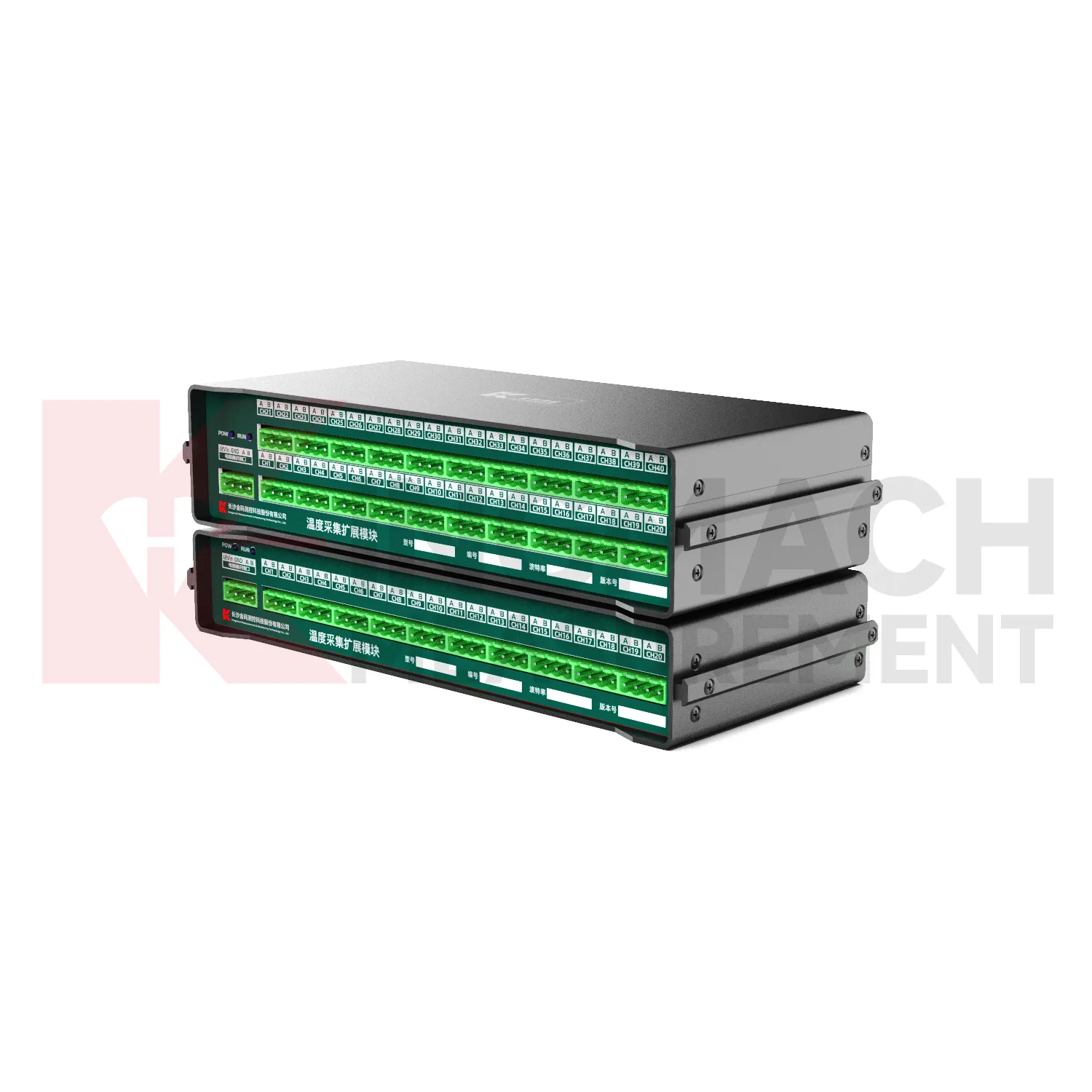
Temperature Acquisition Expansion Module JMWT-XXRTH
View Details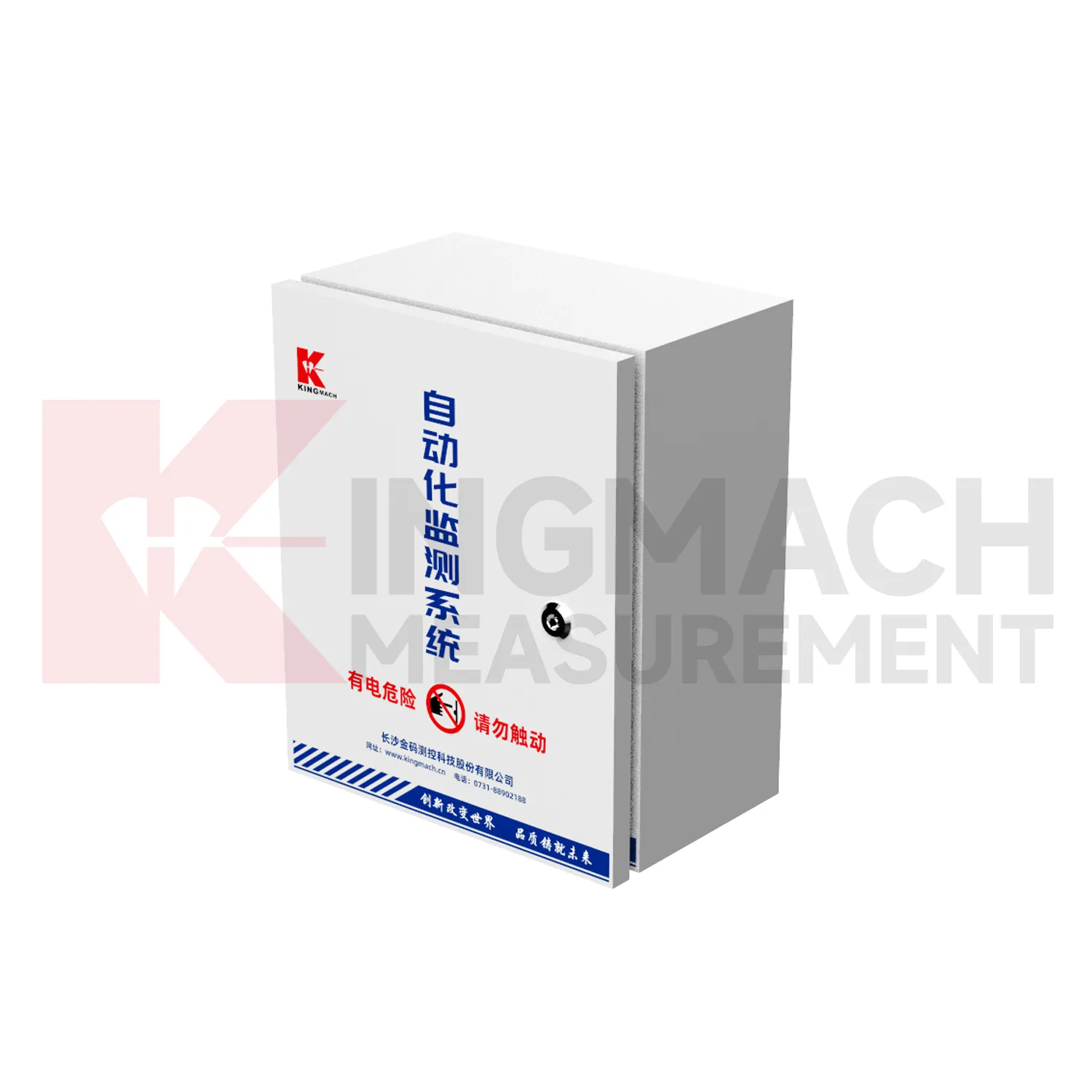
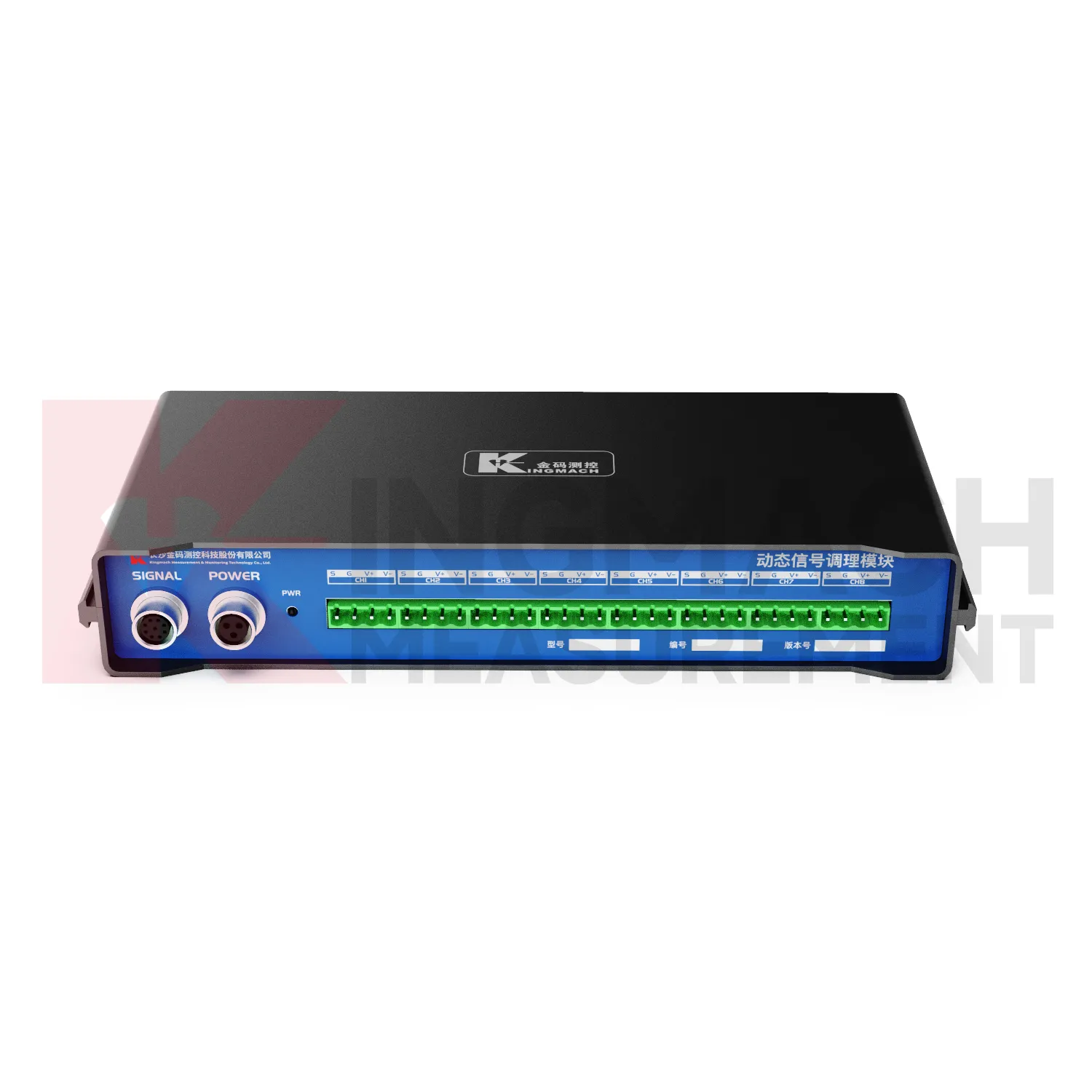
Dynamic signal conditioning moduleJMYD-2008XTA
View DetailsFAQ
Typical builds include LoRaWAN for areas where you can set up a gateway, and NB-IoT / Cat-M1 for direct cellular uploads. We configure the modem based on the carrier bands in your region during production.
The analog input accepts 4-20mA and 0-10V signals, which are standard on most industrial pressure sensors. You can pair it with a sensor you already have or source one with the range and process connection your job needs.
Data goes to a cloud server via the wireless link, and you have a web dashboard with live readings, history graphs, and export functions. The device also buffers data internally if the connection drops. We can also provide raw data stream access for integration into your own systems.
With hourly uploads and 5-minute sampling, the internal lithium pack usually lasts around two years. If you increase reporting frequency or operate in extreme cold, it may need replacement sooner—we can give a more precise estimate once we know your site conditions.
The standard enclosure is IP66 rated, so it handles heavy rain and temporary flooding. For permanent submersion or direct burial, we offer upgraded stainless steel or PVC enclosures with O-ring sealed cable glands. Tell your contact engineer the installation environment, and they’ll spec the right protection.
Share your product type, target capacity, and application requirements. Our team can review the details and recommend a practical next step.
If you are interested in our products or want to become our partner.
Please leave your contact information, our team will contact you as soon as possible.
Mail: [email protected]
Contact Us: +8613808434127
Address: No. 188 Tongzipo West Rd, Changsha, Hunan, China