
 EN
EN
 ar
ar bg
bg hr
hr cs
cs da
da nl
nl fi
fi fr
fr de
de el
el hi
hi it
it ko
ko no
no pl
pl pt
pt ro
ro ru
ru es
es sv
sv tl
tl iw
iw id
id lv
lv lt
lt sr
sr sk
sk sl
sl uk
uk vi
vi et
et hu
hu th
th tr
tr fa
fa ms
ms hy
hy ka
ka ur
ur bn
bn mn
mn ta
ta kk
kk uz
uz ku
ku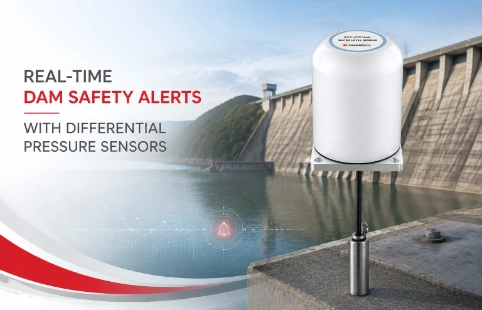
Real-Time Dam Safety Alerts with Differential Pressure Water Level Sensors
Key Takeaways An alert chain needs more than a sensor: define field in...

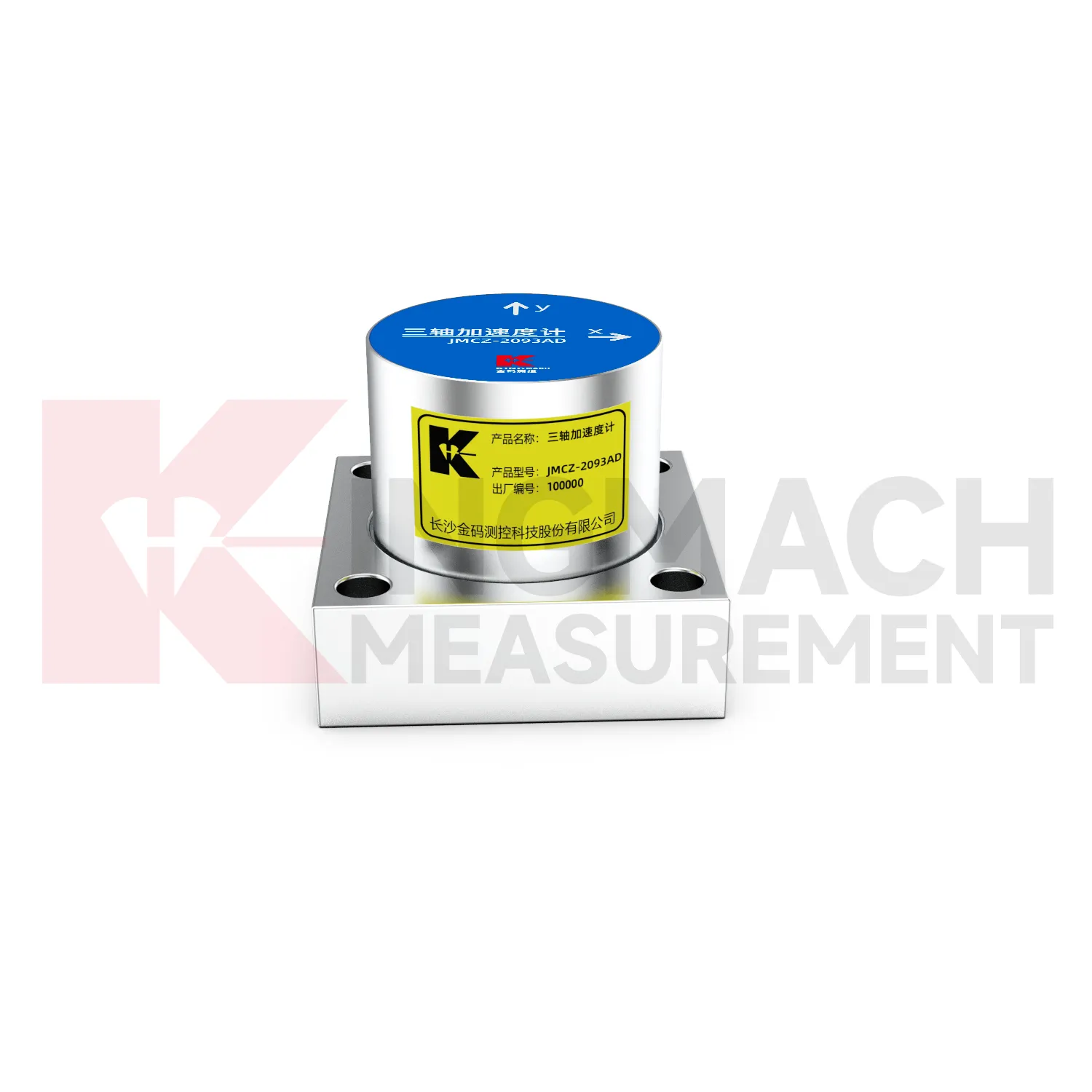
Three Axis Accelerometer Sensor for Geotechnical Applications
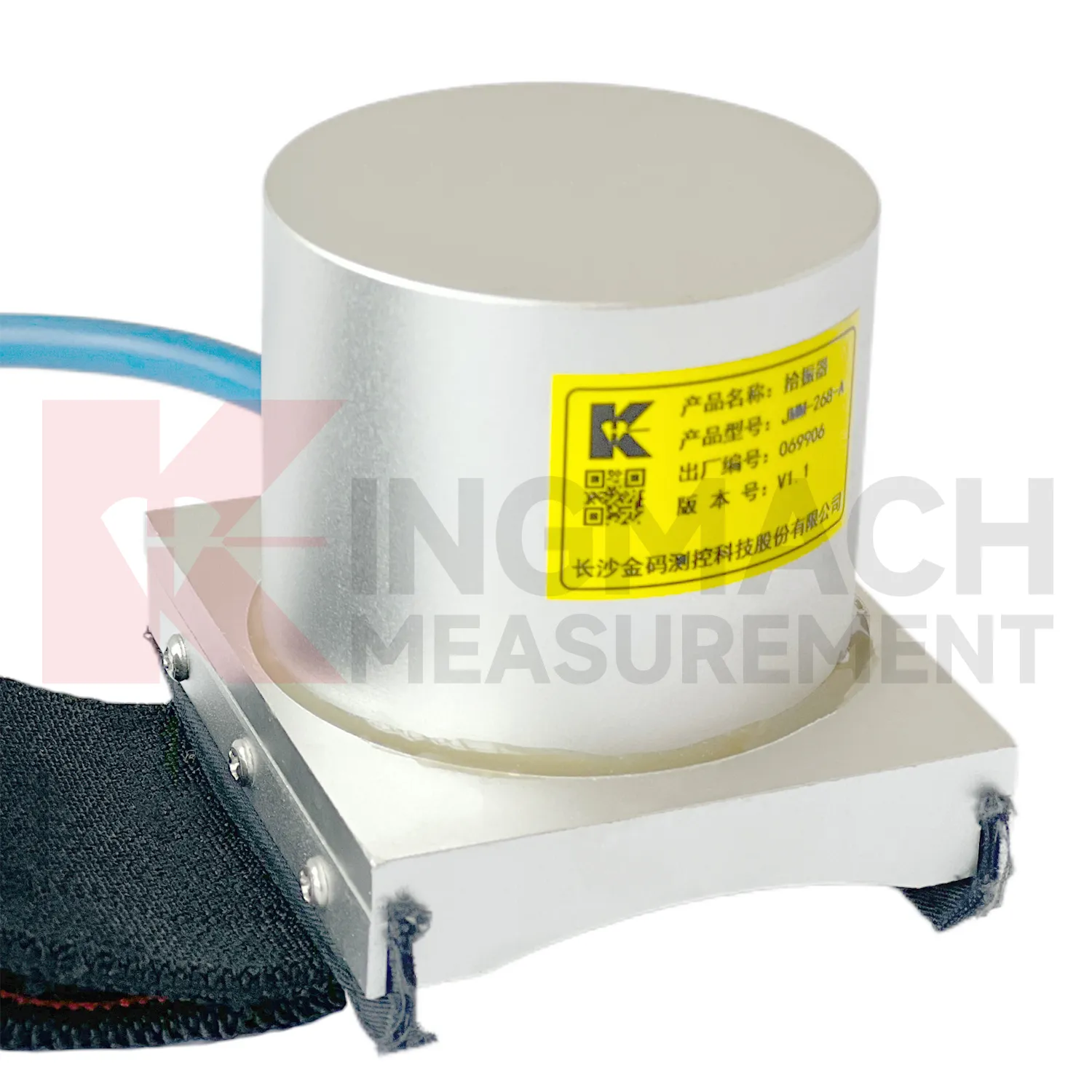
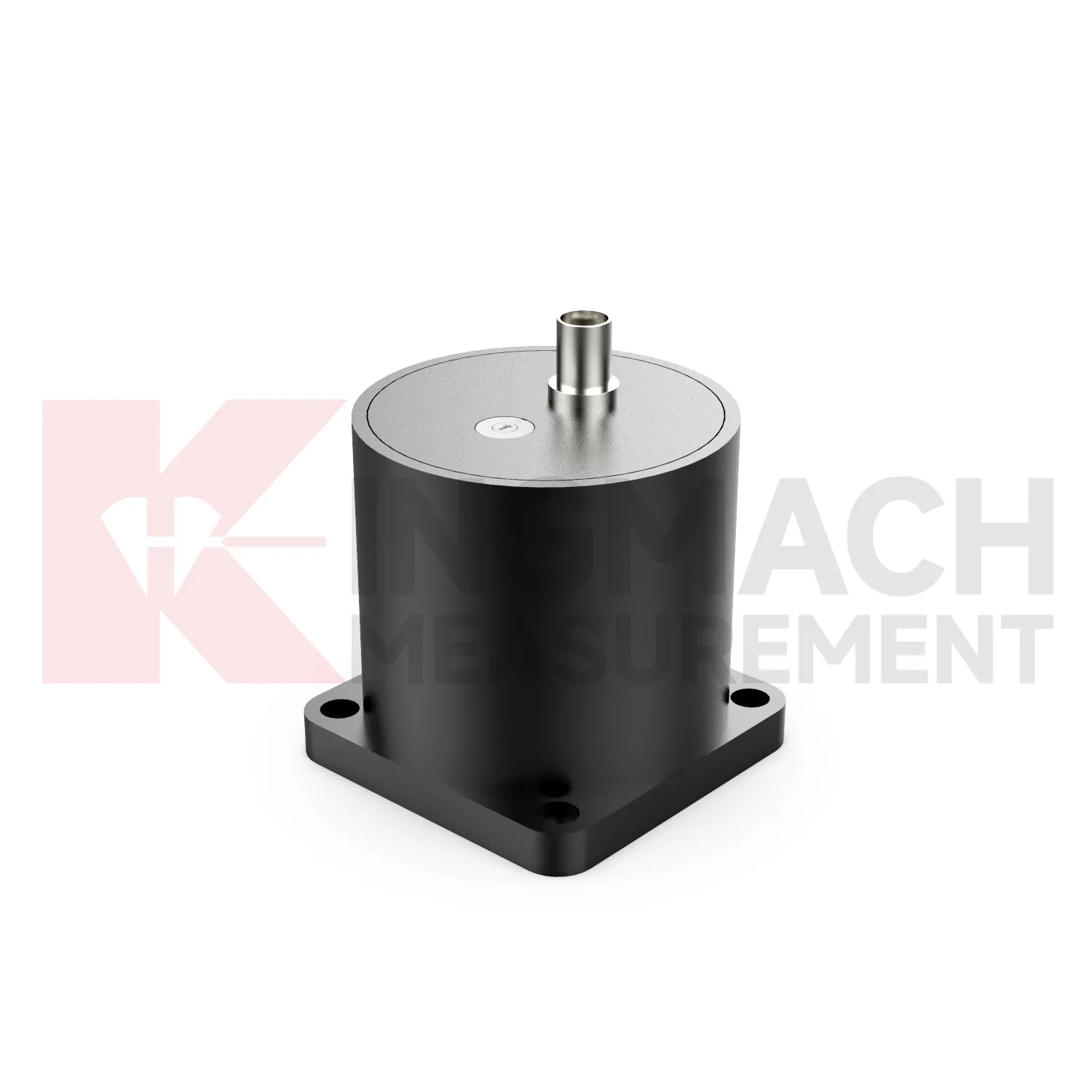
When monitoring structural vibration or seismic activity, a three axis accelerometer sensor captures motion across X, Y, and Z planes simultaneously. This gives engineers a complete picture of how a bridge, dam, or foundation responds to dynamic loads. Kingmach has been building these sensors for years, focusing on stability and field-ready design. Their three-axis models fit into data acquisition systems without complex wiring, and you can specify outputs like voltage or IEPE to match your existing loggers. Custom ranges and mounting options are available, which helps when standard specs don't align with a project's requirements. From earthquake early warning to rotating machinery analysis, a properly chosen sensor reduces data gaps. The key is matching sensitivity and bandwidth to the expected motion, something Kingmach's technical team can help with. Rather than juggling three single-axis units, one triaxial package simplifies installation and alignment. This matters most on sites where access is limited or where downtime is costly.
Technical Detail
Kingmach's three axis accelerometer sensor is designed for mid-range geotechnical monitoring—places where performance matters but budgets aren't unlimited. The sensor uses a piezoelectric or MEMS element depending on the frequency range you need. Low-noise electronics keep the signal clean even on long cable runs, which is common at construction sites. You can order the sensor in different sensitivities, typically from 100 mV/g to 1000 mV/g, though custom values are possible. The housing is stainless steel, sealed for wet or dusty conditions, and mounting options include magnetic, adhesive, or stud attachment. One benefit of a triaxial design is that you avoid cross-axis misalignment errors that happen when you stack single-axis sensors. For seismic applications, the sensor can resolve micro-g levels of ground motion, while for industrial machinery, it tracks higher g ranges. Output can be analog voltage, current loop, or digital, depending on the data logger. Kingmach provides wiring diagrams and calibration sheets with each unit, so setup is straightforward. They also stock spares and offer repair services, which helps with long-term project planning. If your project needs a specific connector or cable length, they can build to suit. This isn't a one-size-fits-all sensor; it's closer to a configurable monitoring tool. For projects that require ATEX or intrinsically safe versions, Kingmach can advise on the right enclosure and barriers. Their team also assists with integration into cloud-based monitoring platforms, so data gets to engineers remotely. Finally, all sensors come with a two-year warranty and periodic recalibration support.
News
Key Takeaways An alert chain needs more than a sensor: define field in...
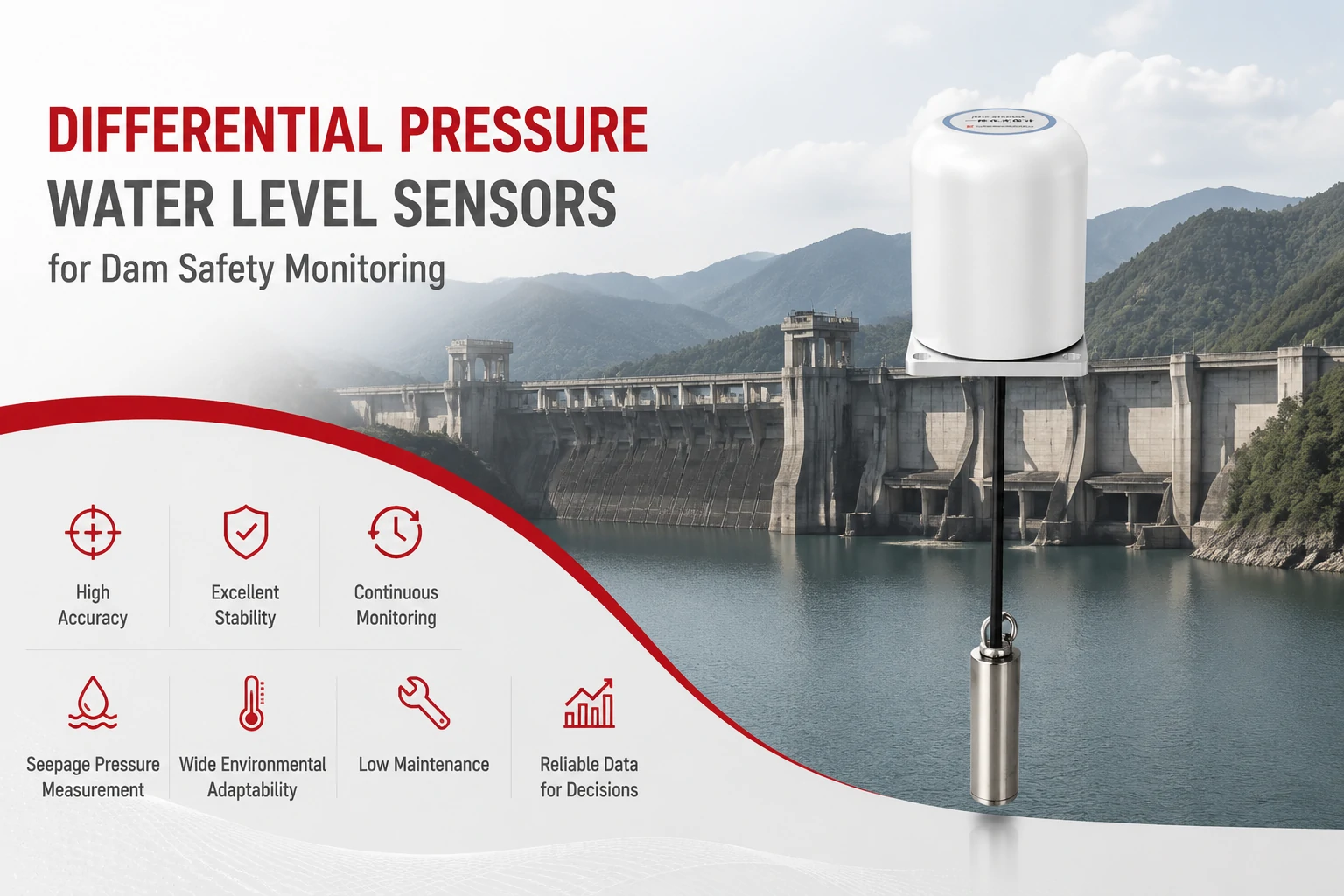
Key Takeaways The strongest fit is usually a confined, submerged, or s...
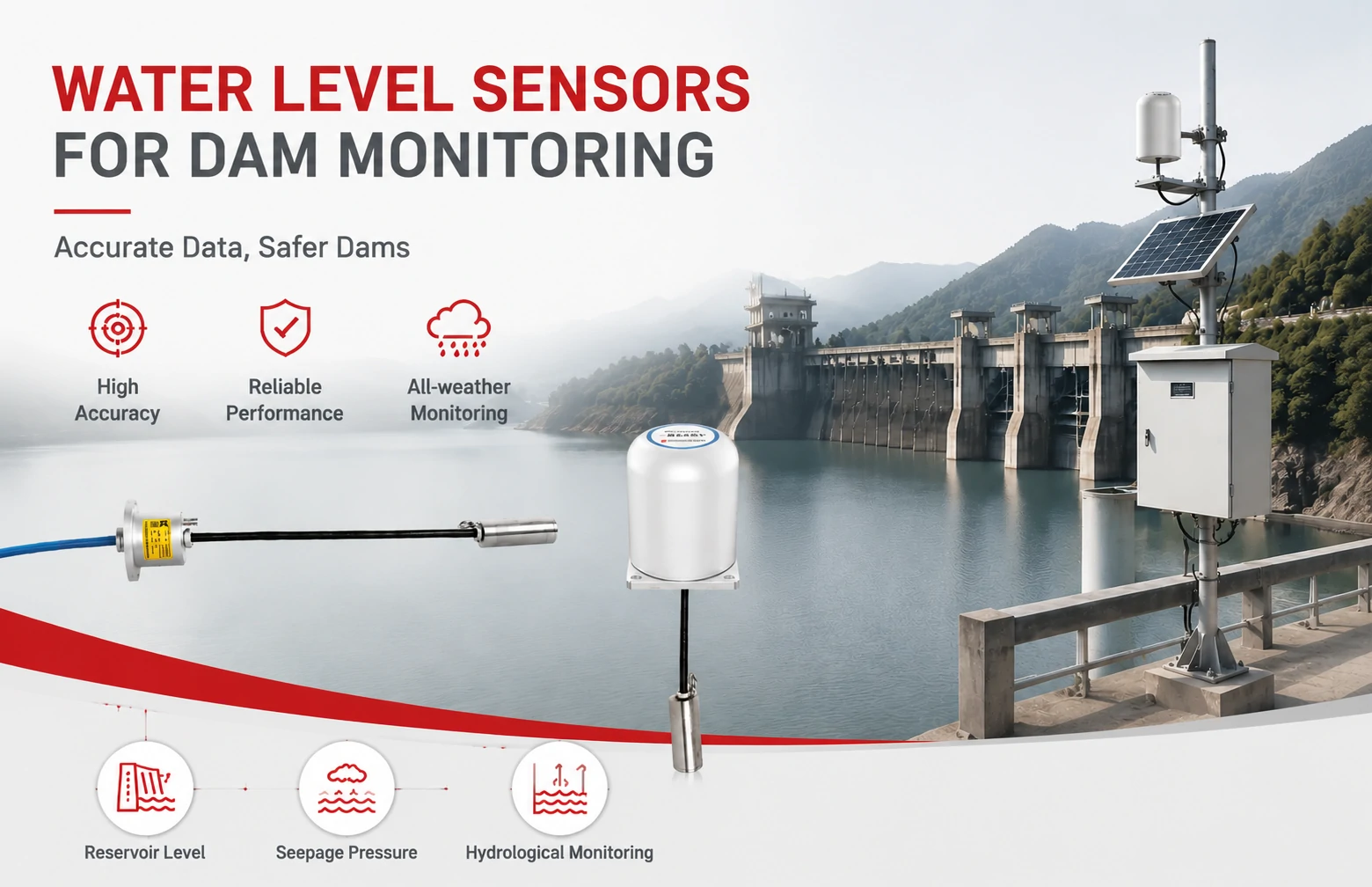
Kingmach Water Level Sensors for Dam Monitoring: A Buyer's Guide to Differential Pre...
Products
FAQ
A triaxial unit is aligned at the factory, so you don't have to deal with mounting and orientation errors that come with stacking individual sensors. One cable, one connector, and a smaller footprint on the structure.
It depends on the model's bandwidth. Most geotechnical-grade triaxial sensors cover 0.1 Hz to a few hundred Hz. For very high frequencies, you'd need a specific industrial accelerometer. Kingmach can help you pick the right frequency range.
Yes, current loop output is an option. If you need voltage (like ±5V) or IEPE (ICP) for modern DAQs, those are common too. Just specify when ordering.
Standard models operate from -20°C to 70°C with sealing against rain and dust. For wider ranges, special models exist. Cables and connectors can be sealed to prevent moisture ingress.
Each sensor ships with a calibration certificate traceable to national standards. Kingmach provides recalibration services; you can return the unit yearly, and they'll check and adjust it.
Share your product type, target capacity, and application requirements. Our team can review the details and recommend a practical next step.
If you are interested in our products or want to become our partner.
Please leave your contact information, our team will contact you as soon as possible.
Mail: [email protected]
Contact Us: +8613808434127
Address: No. 188 Tongzipo West Rd, Changsha, Hunan, China