
 EN
EN
 ar
ar bg
bg hr
hr cs
cs da
da nl
nl fi
fi fr
fr de
de el
el hi
hi it
it ko
ko no
no pl
pl pt
pt ro
ro ru
ru es
es sv
sv tl
tl iw
iw id
id lv
lv lt
lt sr
sr sk
sk sl
sl uk
uk vi
vi et
et hu
hu th
th tr
tr fa
fa ms
ms hy
hy ka
ka ur
ur bn
bn mn
mn ta
ta kk
kk uz
uz ku
ku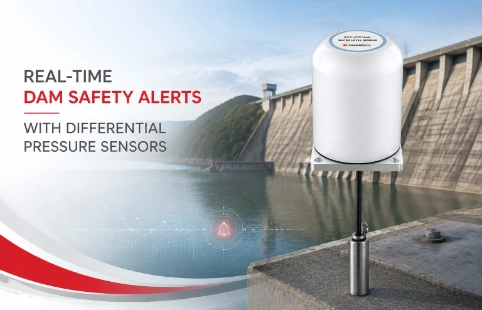
Real-Time Dam Safety Alerts with Differential Pressure Water Level Sensors
Key Takeaways An alert chain needs more than a sensor: define field in...

Vibration Sensor Application: What Field Data Tells You
Most vibration sensor application guides skip the messy details, but field engineers know the real challenges start at installation. At Kingmach, we see sensors going into bridge piers, tunnel linings, and heavy machinery foundations. The common thread isn't just sensitivity; it's how the sensor handles temperature swings, moisture, and long cable runs without drifting. We’ve worked with contractors who needed one-off mounting brackets and with mining operators tracking low-frequency vibration in remote pits. The application always determines the spec—bandwidth, amplitude range, and output type—not the catalog sheet. This short overview pulls together what we’ve learned from hundreds of installations: what to expect before you bolt a sensor down.
Technical Detail
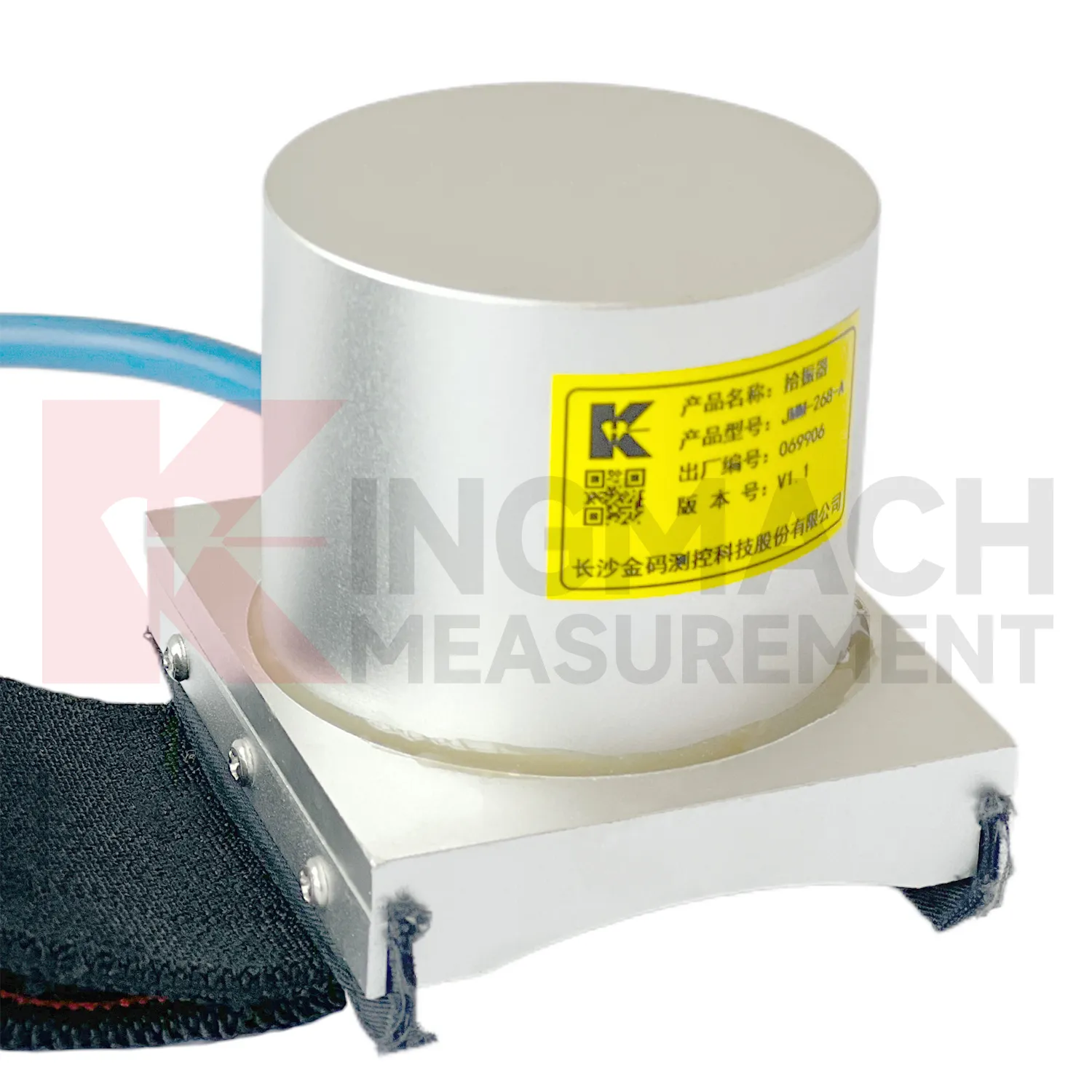
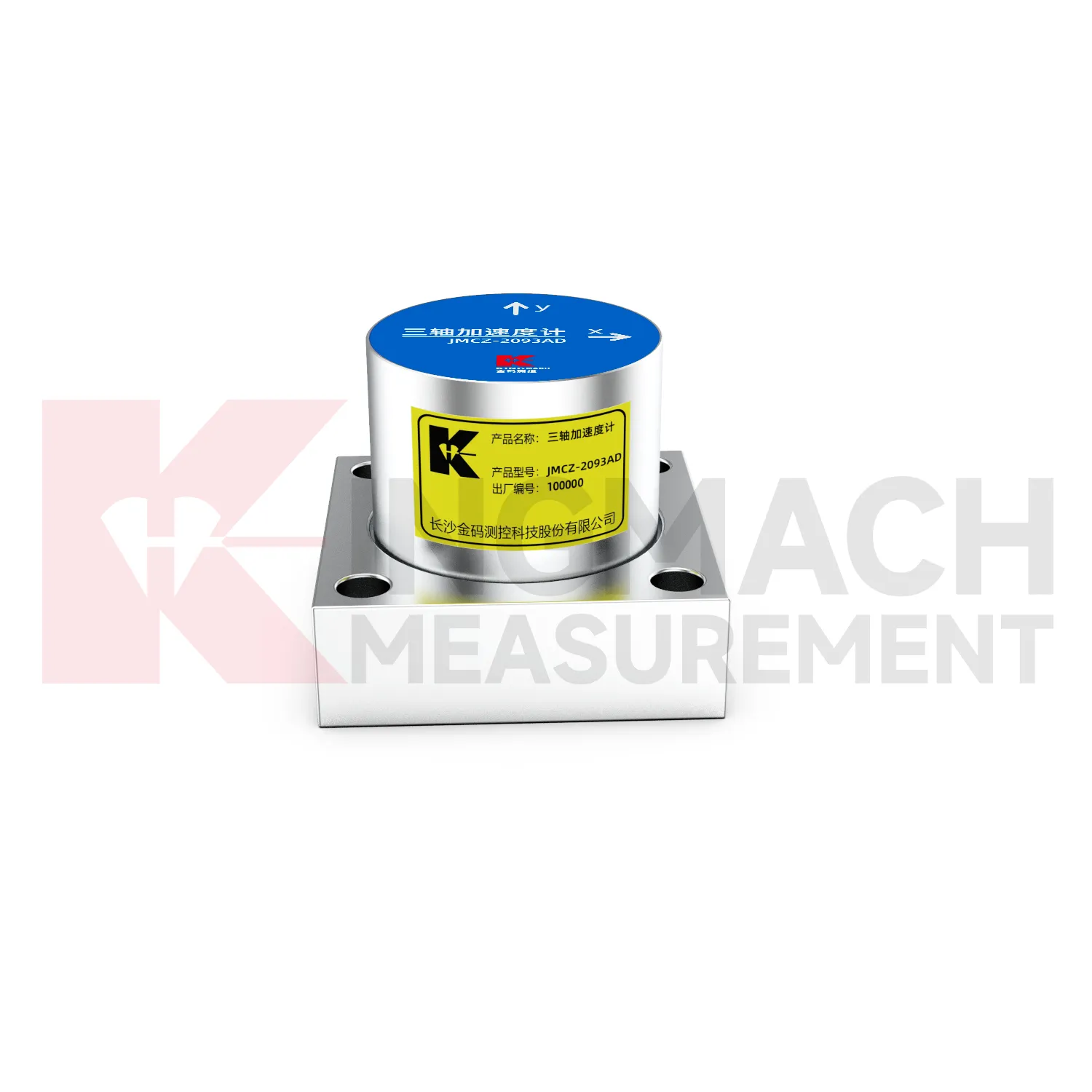
Vibration sensor application starts with a simple question: what are you really measuring? In geotechnical and structural monitoring, the answer is rarely ‘just vibration.’ A sensor on a bridge abutment might be looking for resonant frequencies that indicate scouring; a sensor on a turbine foundation tracks bearing wear through changes in high-frequency energy. Kingmach supplies piezoelectric and MEMS-based accelerometers, with sealed housings and industrial connectors, covering typical ranges from 0.1g to 500g and frequencies down to 0.1 Hz for low-frequency structures. The choice of output—4-20 mA for long-distance transmission, voltage output for DAQ systems, or digital RS-485—changes how you handle cabling and noise. Our engineers spend time on application details: mounting via stud or magnet, cable strain relief, junction boxes for multi-sensor arrays. We’ve also provided customized sensitivities and cable lengths. For large infrastructure projects, we keep spare sensors and mounting kits in regional hubs, so replacements don’t stall data. Common application areas include seismic monitoring of dams, vibration of rotating equipment in water treatment plants, and blast monitoring in quarries. Each puts different demands on the sensor, and the installation environment—dust, water, temperature extremes—will make or break the measurement. Rather than selling an off-the-shelf unit, we start with a conversation about your monitoring goals, and we’ll suggest a configuration that has held up in similar conditions. It’s not magic; it’s just knowing which seals work in monsoon seasons and which mounting threads don’t back off under constant vibration.
News
Key Takeaways An alert chain needs more than a sensor: define field in...
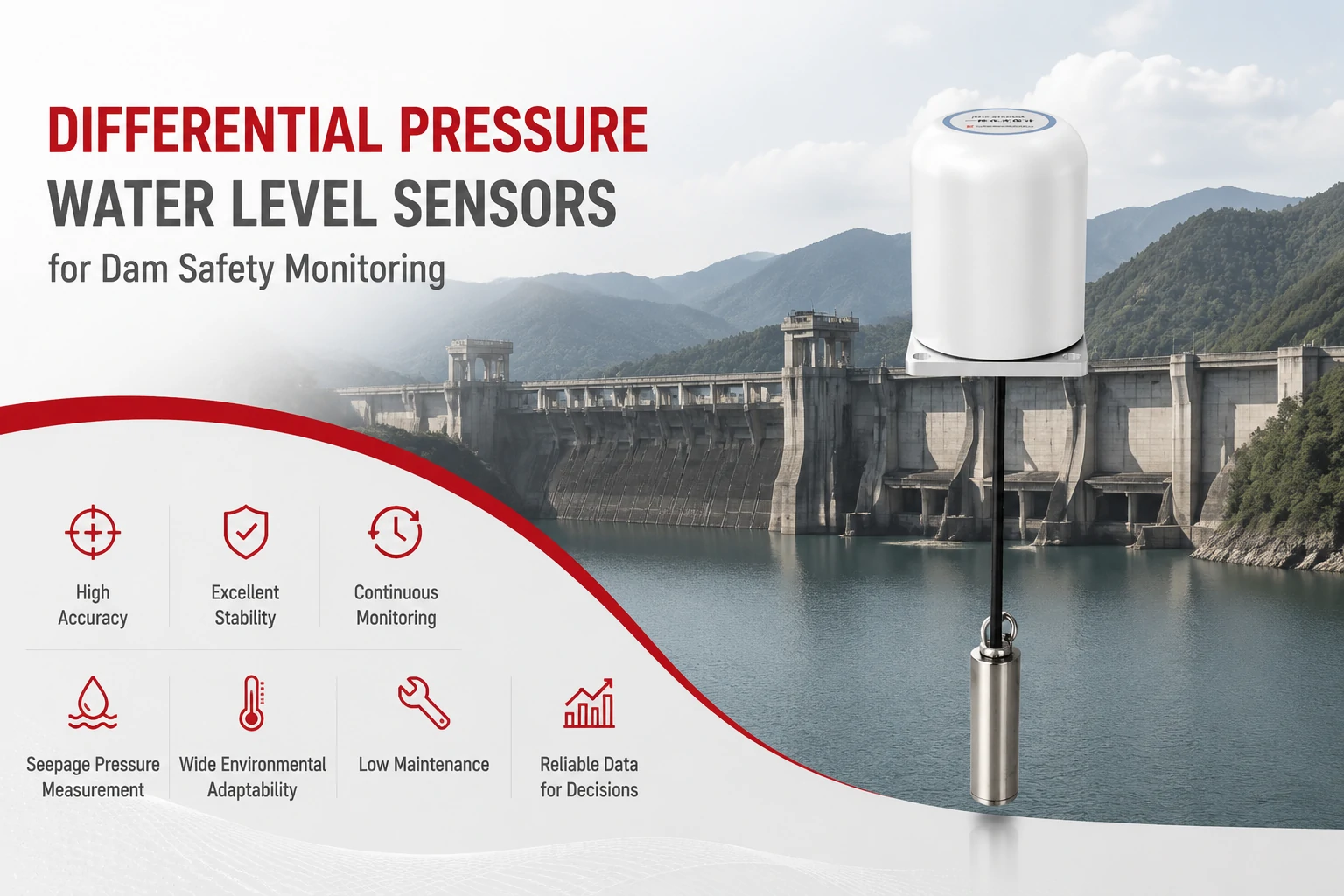
Key Takeaways The strongest fit is usually a confined, submerged, or s...
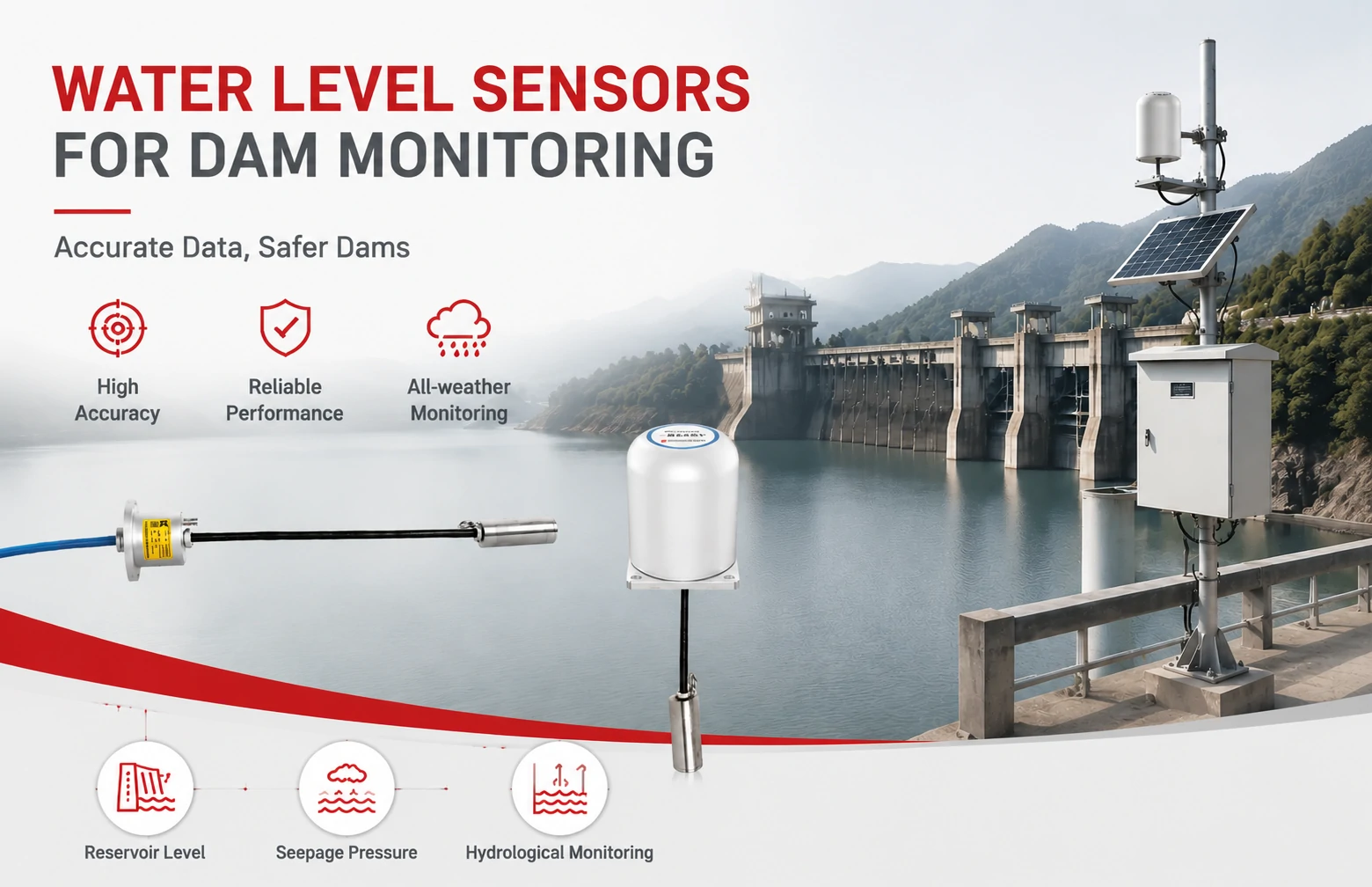
Kingmach Water Level Sensors for Dam Monitoring: A Buyer's Guide to Differential Pre...
Products
FAQ
First, define the frequency range of interest. For concrete dams, structural modes are typically below 100 Hz, so a low-noise accelerometer with good low-frequency response (down to 0.1 Hz or lower) is needed. Consider the output: 4-20 mA is robust over long cable runs, but if you need dynamic waveform data, a voltage output sensor paired with a local DAQ is better. Also factor in waterproofing and corrosion resistance—look for IP67 or higher stainless steel housings. We often supply sensors with custom cable lengths and integrated surge protection for lightning-prone areas.
Yes, but you need intrinsically safe or explosion-proof certifications. For mining, we provide ATEX-certified accelerometers with armored cables. These are designed for continuous vibration monitoring on conveyor drives and crushers. The mounting method also changes: drill-and-tap stud mounts are standard, but in hazardous areas you may need bonding straps to prevent static buildup.
It depends on the environment, but with proper sealing and strain relief, piezoelectric sensors can last over a decade. The failure points are usually the cable connection and moisture ingress. We recommend stainless steel connectors and regular inspection of the cable near the sensor. For long-term projects, we supply spares so that swapped units can be recalibrated offsite.
We can integrate our sensors with third-party wireless nodes that support 4-20 mA or MODBUS inputs. We don’t build the wireless transmitter ourselves, but we ensure the sensor’s output and power requirements match, and we can pre-configure cables and connectors for a plug-and-play setup.
For permanent installations, we provide curved mounting bases or magnetic clamps with the correct radius. The key is to avoid air gaps between the sensor base and surface. A thin layer of silicone grease improves high-frequency coupling. If welding a base, do it before the sensor is attached to avoid heat damage.
Share your product type, target capacity, and application requirements. Our team can review the details and recommend a practical next step.
If you are interested in our products or want to become our partner.
Please leave your contact information, our team will contact you as soon as possible.
Mail: [email protected]
Contact Us: +8613808434127
Address: No. 188 Tongzipo West Rd, Changsha, Hunan, China