
 EN
EN
 ar
ar bg
bg hr
hr cs
cs da
da nl
nl fi
fi fr
fr de
de el
el hi
hi it
it ko
ko no
no pl
pl pt
pt ro
ro ru
ru es
es sv
sv tl
tl iw
iw id
id lv
lv lt
lt sr
sr sk
sk sl
sl uk
uk vi
vi et
et hu
hu th
th tr
tr fa
fa ms
ms hy
hy ka
ka ur
ur bn
bn mn
mn ta
ta kk
kk uz
uz ku
ku
vibration data loggers
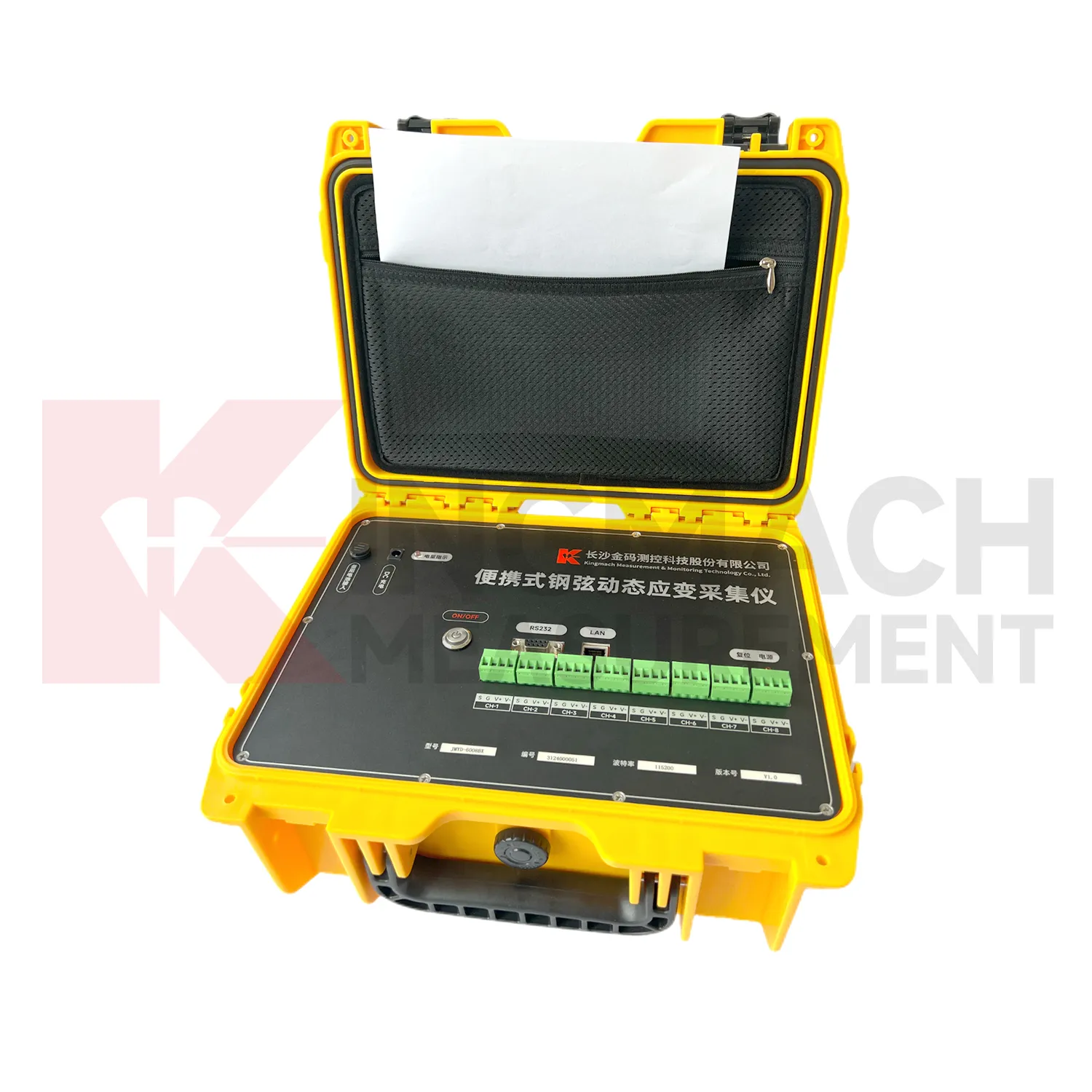
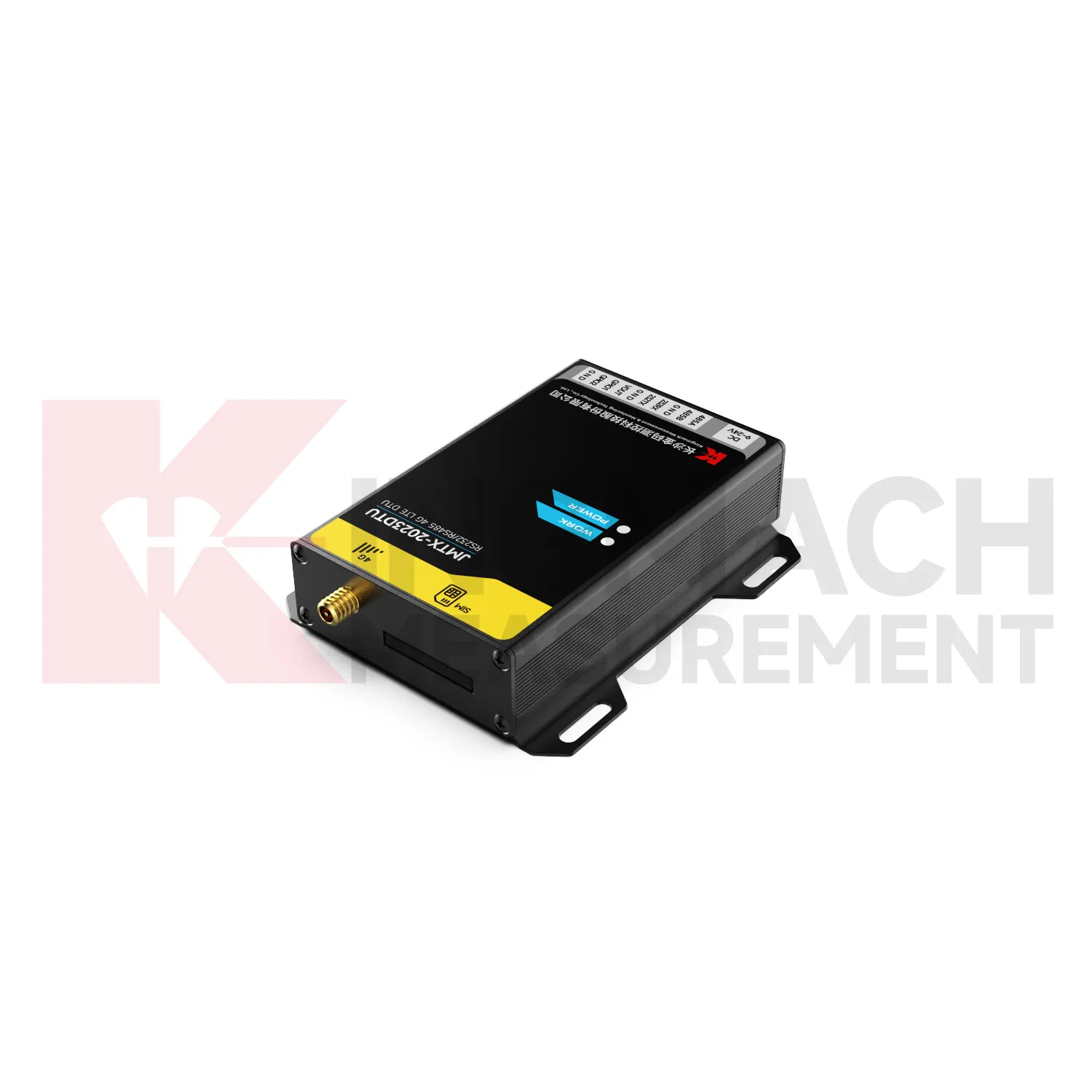
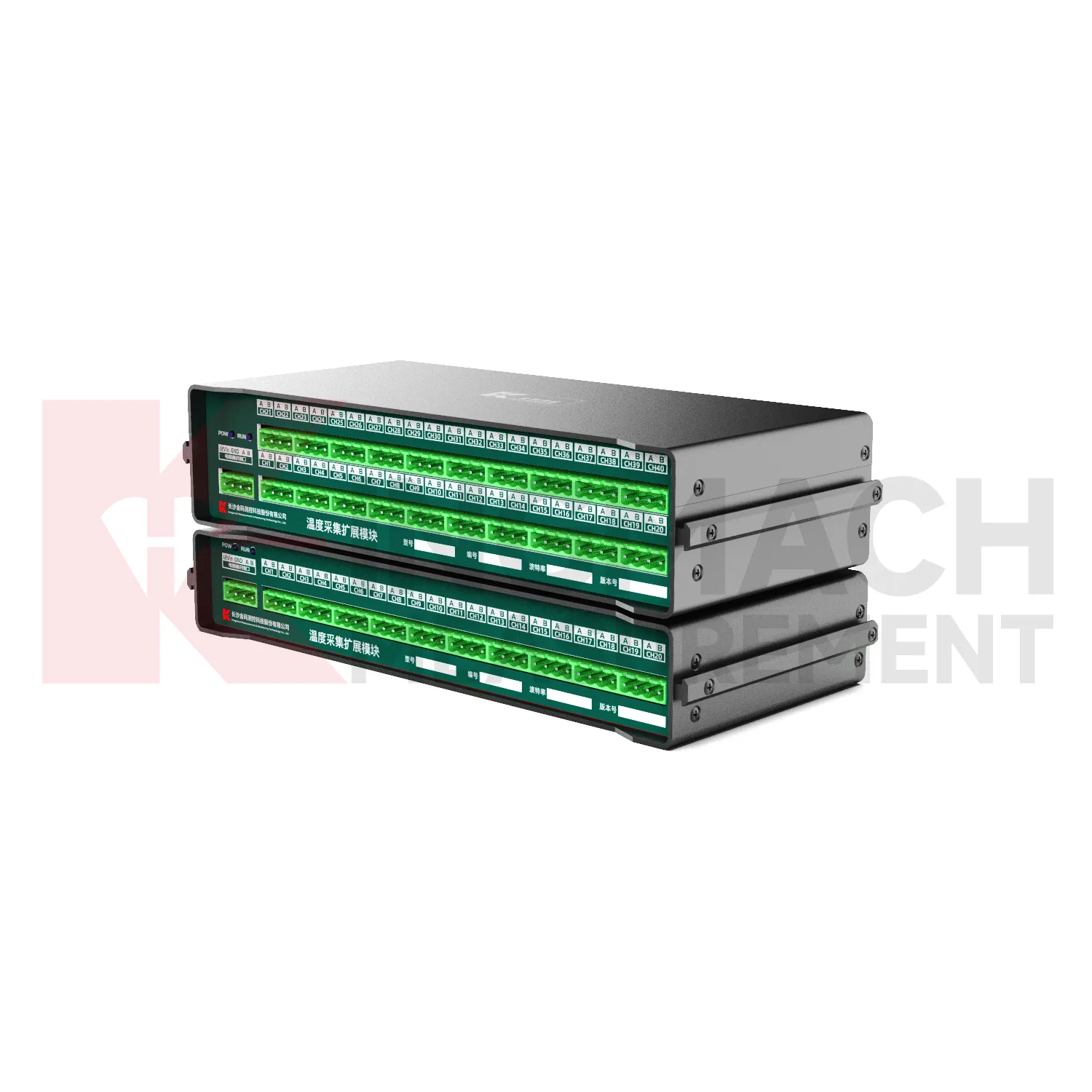
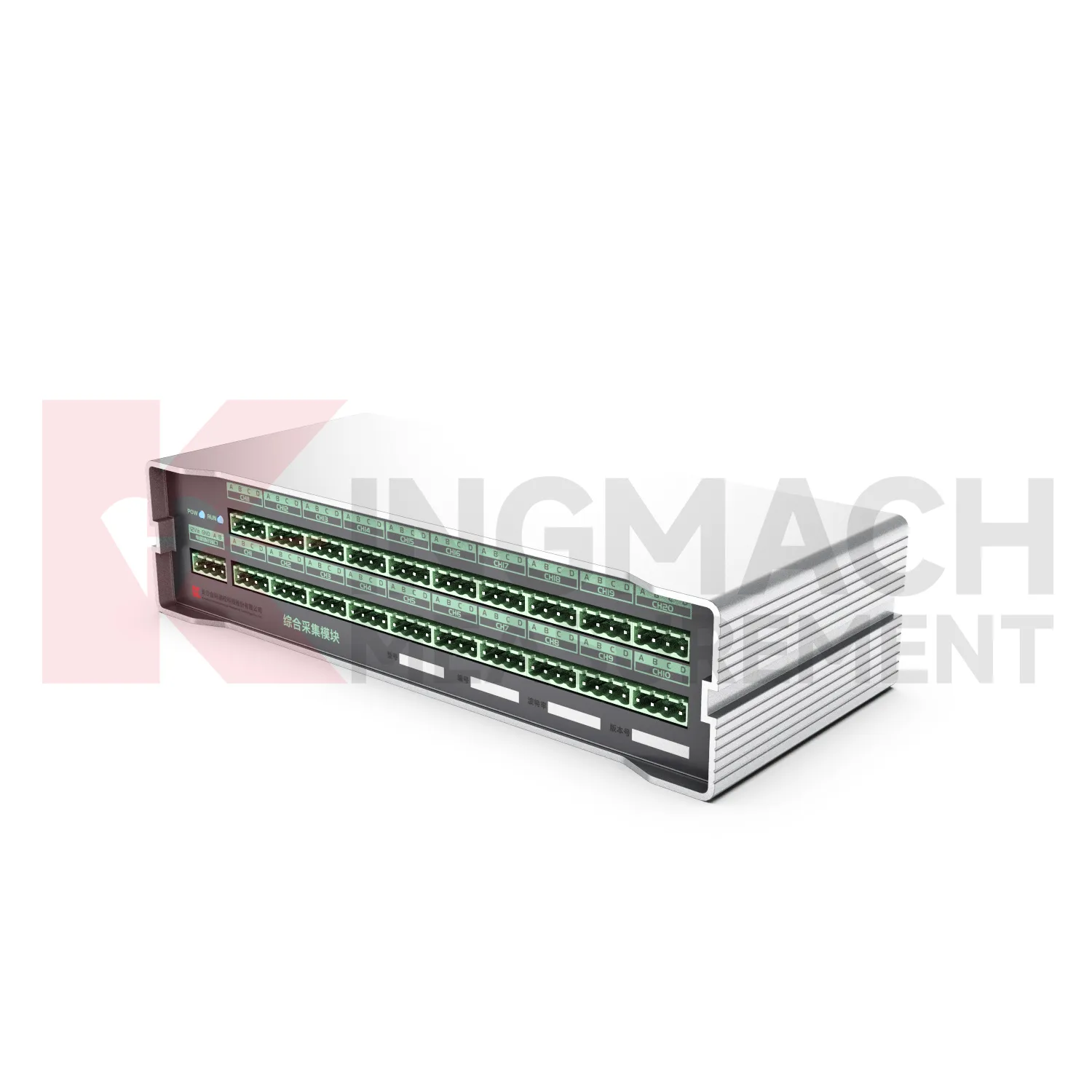
Kingmach vibration data loggers are designed for the practical data chain that starts at the sensor and ends with engineering review. The category covers handheld verification, automatic logging, field display, wireless transmission, local storage, and data export. A comprehensive readout is useful for commissioning because it can confirm sensor identity, physical values, and temperature-related information on site. A dynamic strain data logger is useful when vibrating wire sensor signals need synchronized acquisition for construction or structural monitoring. A low-power wireless logger is useful when a remote point must collect data over long periods with limited access. These devices are most effective when channel labels, point locations, communication settings, and maintenance records are planned before installation. The project file should define how each reading moves from the field device to the reviewed record. That includes who names channels, who checks first values, where exported files are stored, and how abnormal readings are confirmed. When these steps are clear, the acquisition device becomes part of a controlled monitoring process rather than a separate instrument. This helps engineering teams trace values back to the correct sensor, location, time period, and field condition during later review. It also supports cleaner handover when the project changes from construction monitoring to owner operation.
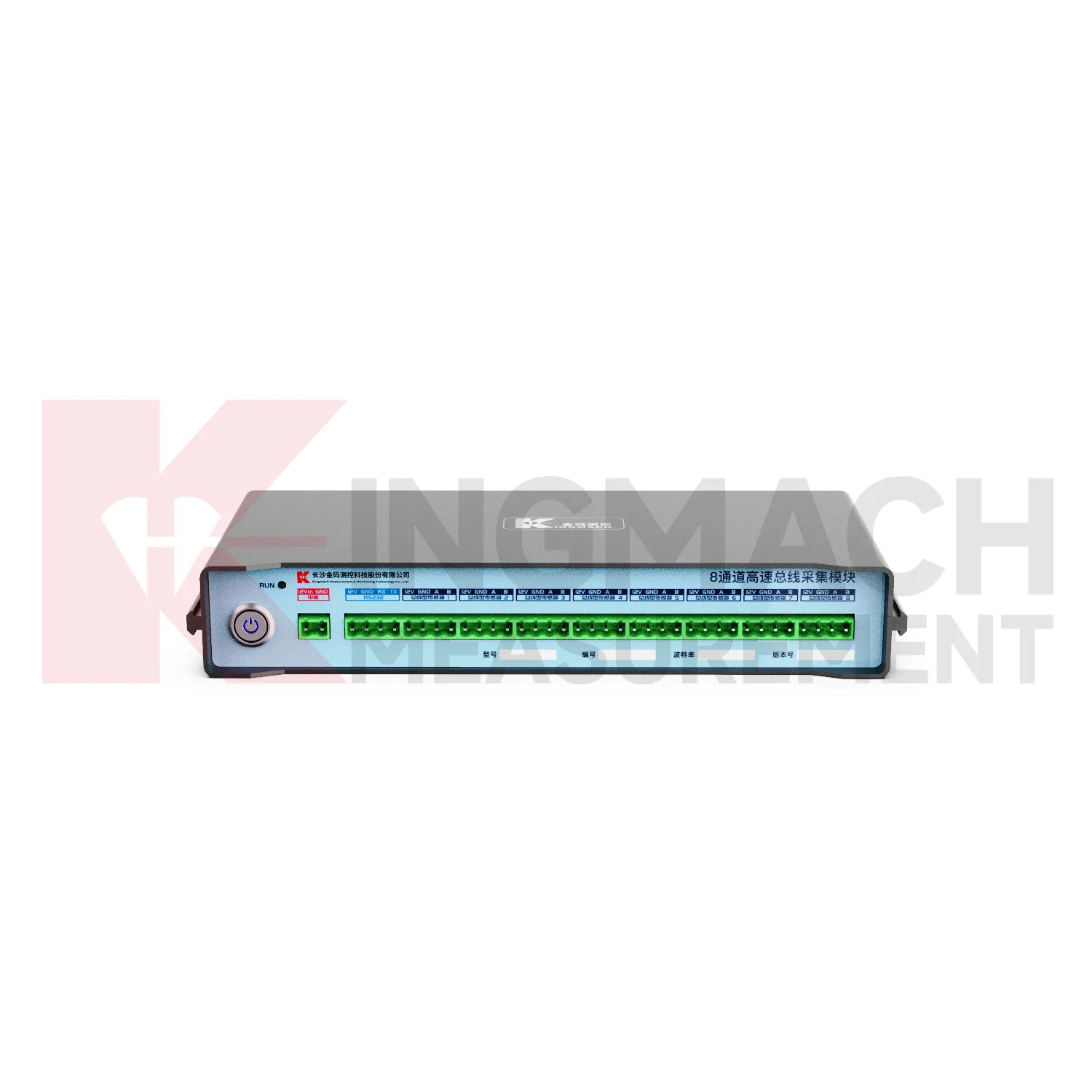
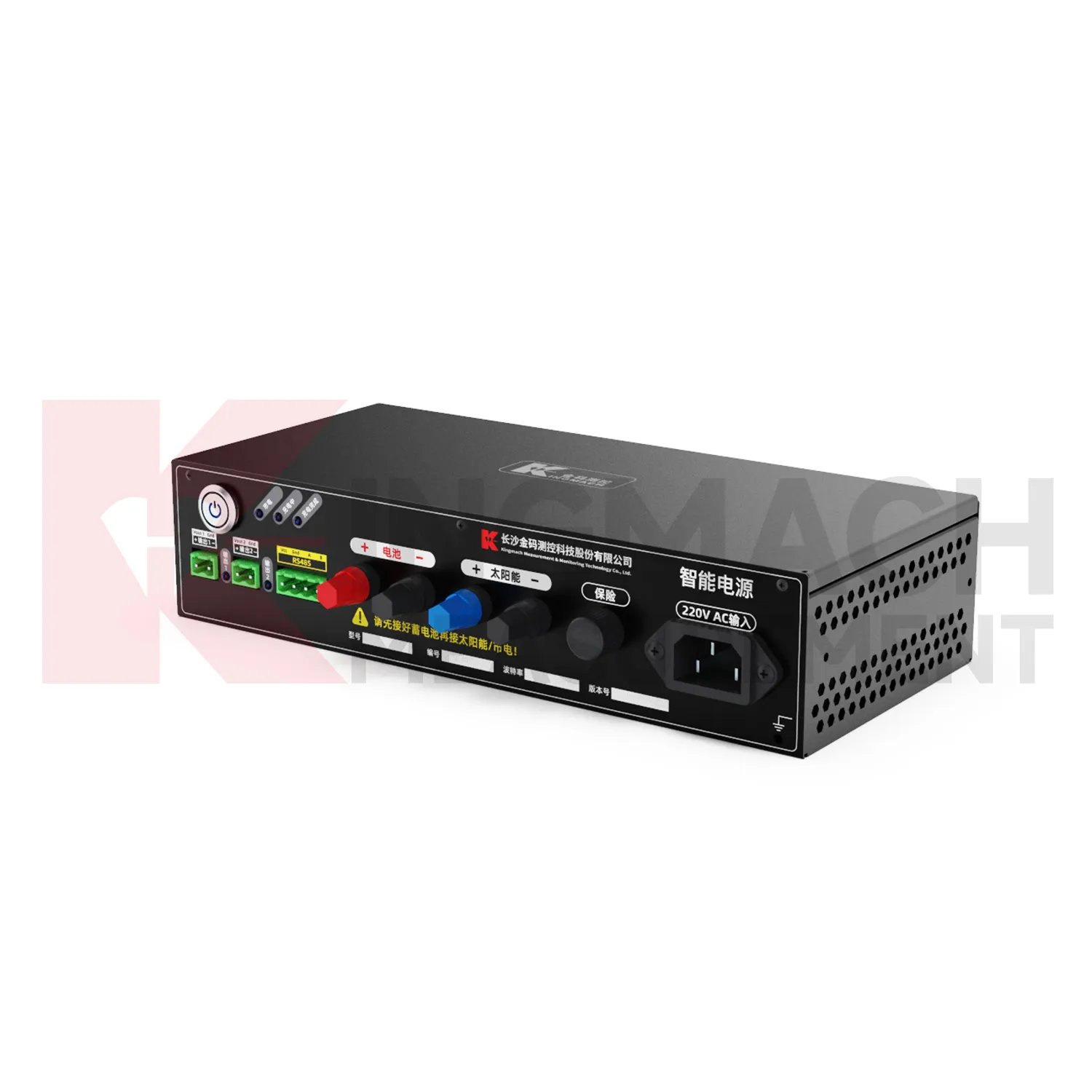
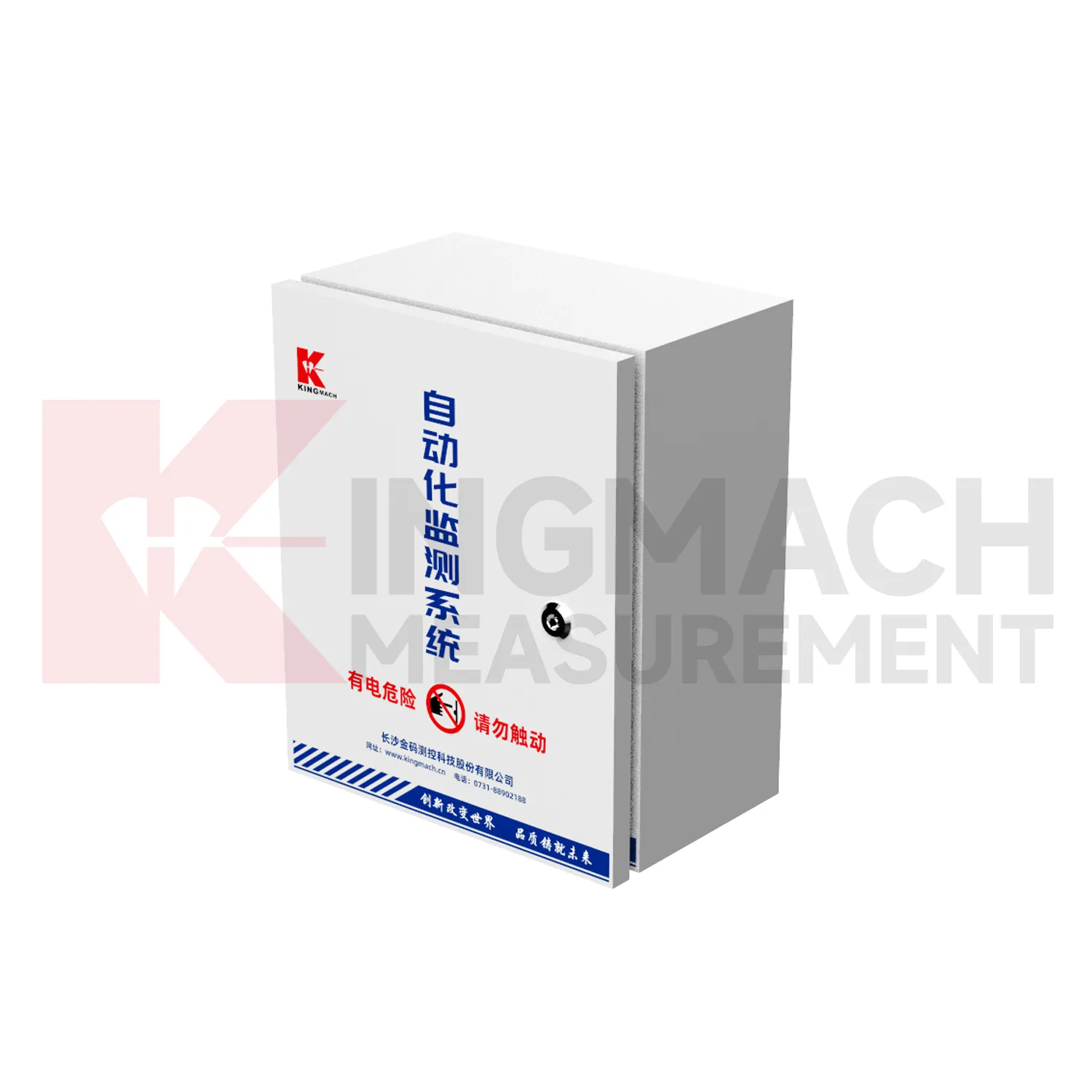
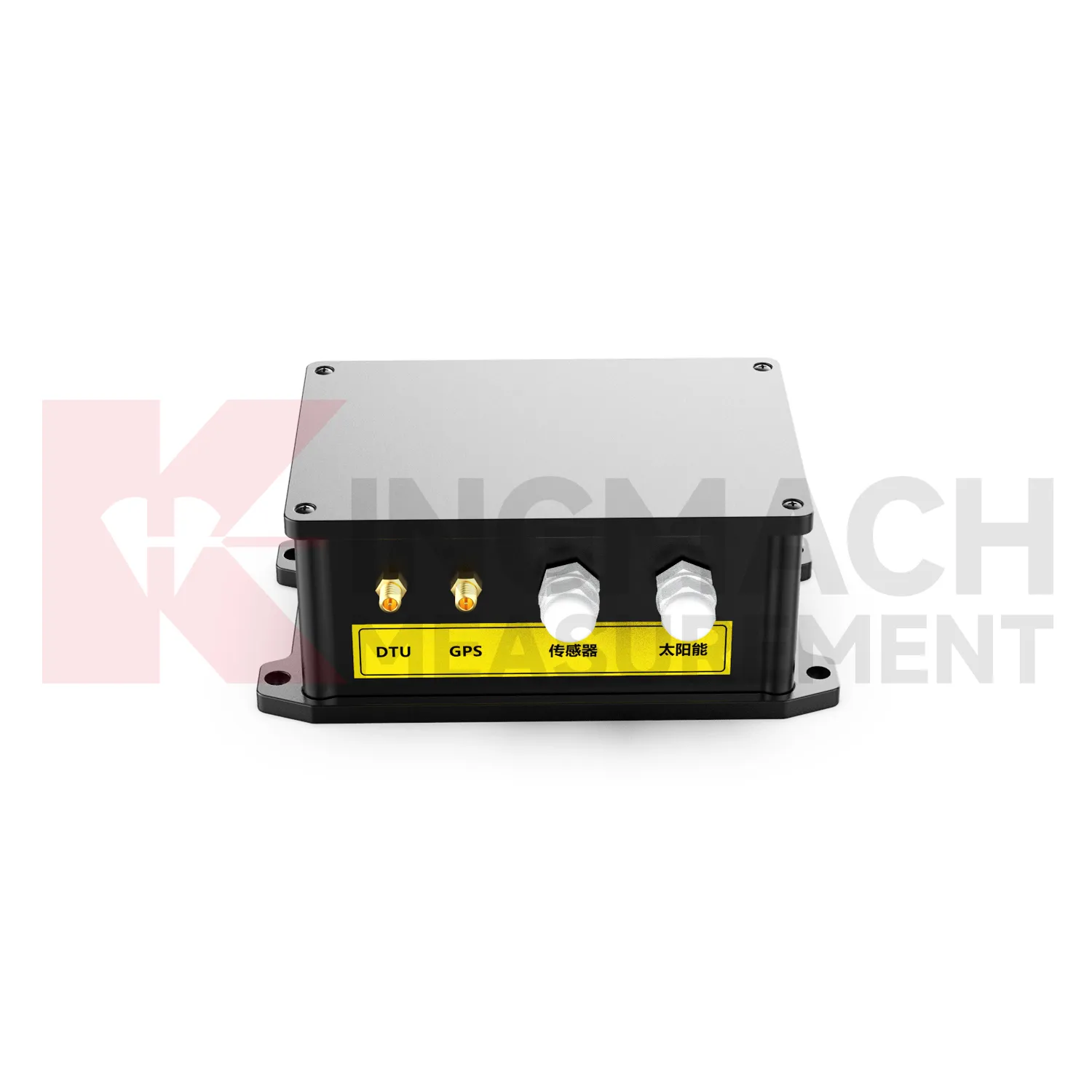
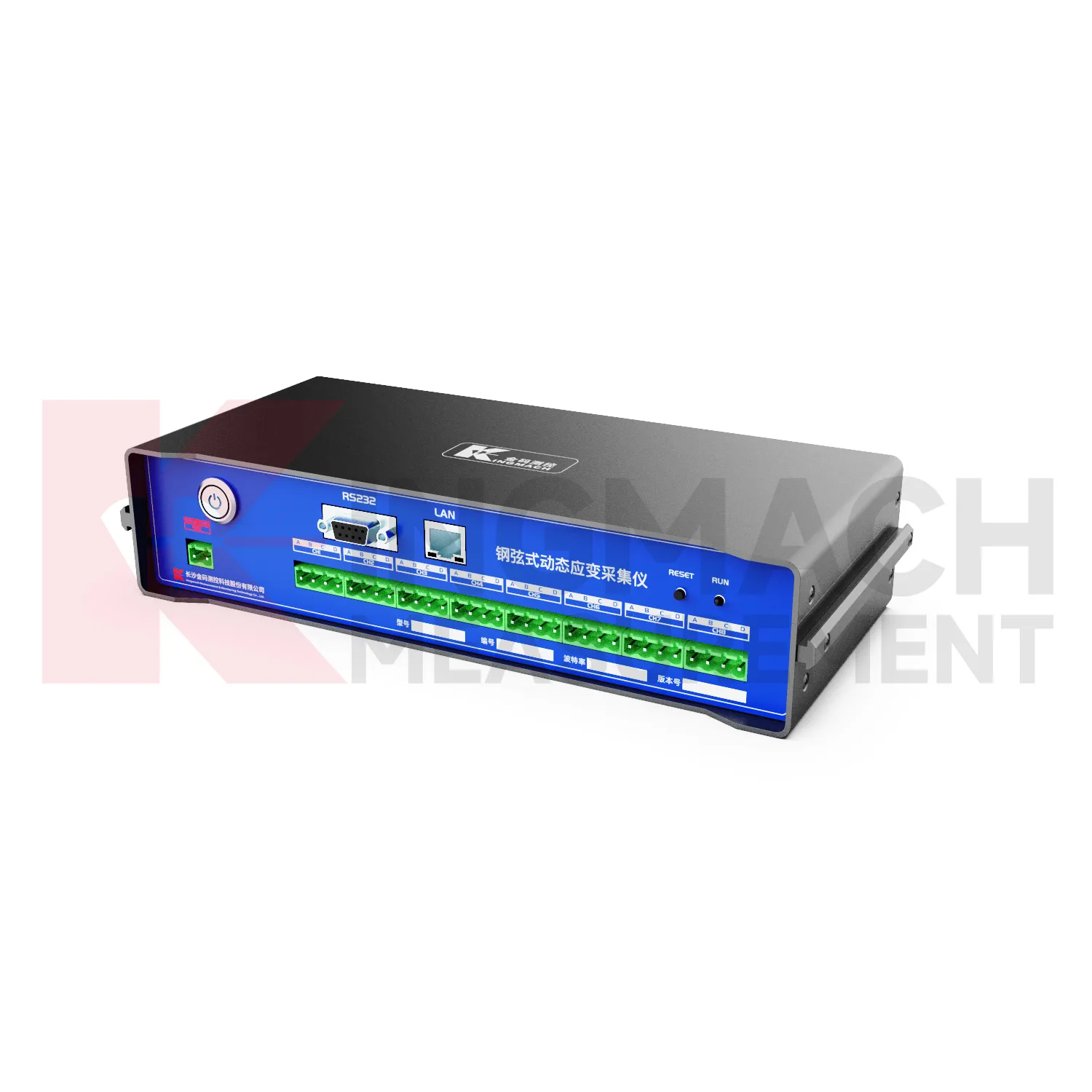
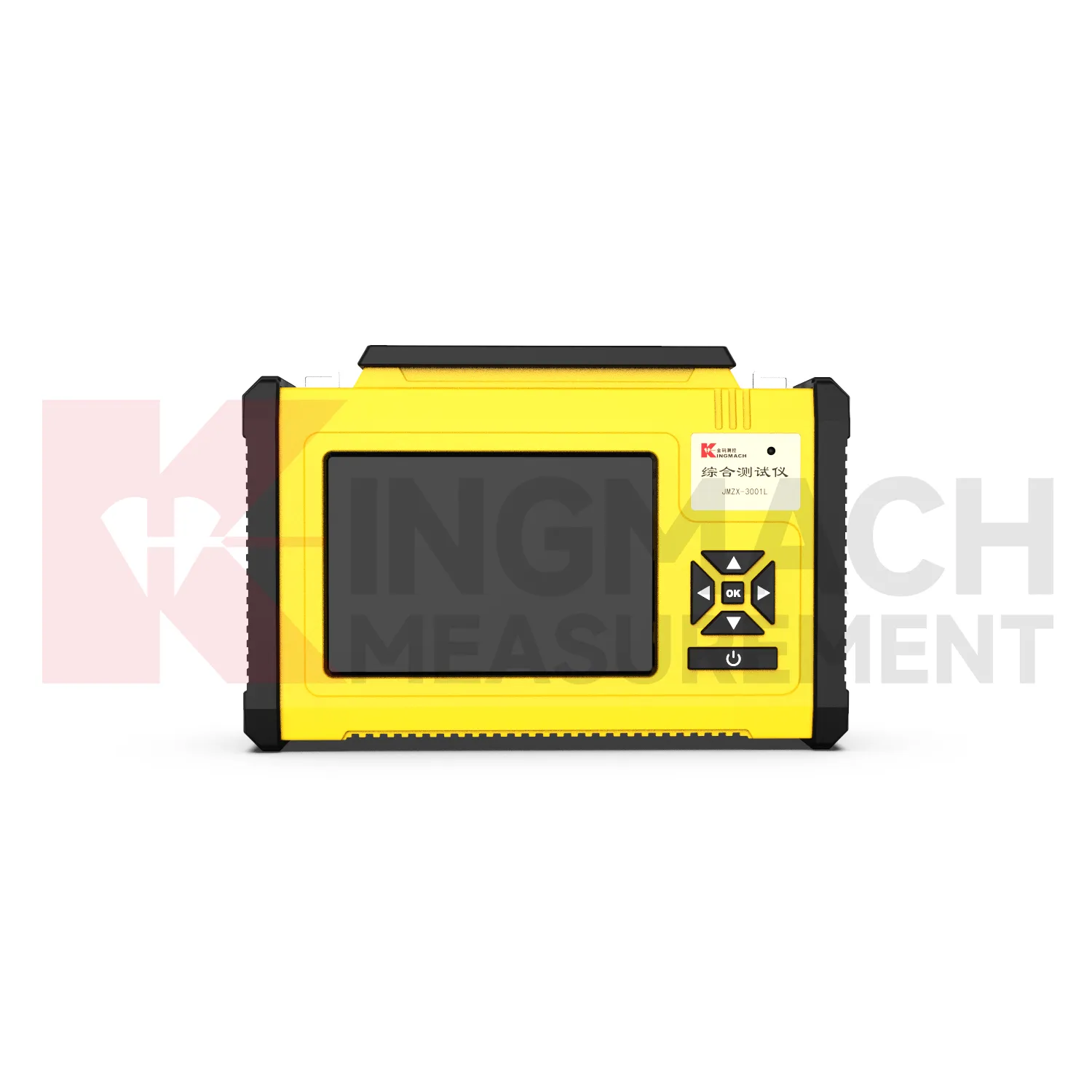
Application of vibration data loggers
Tunnel and underground projects use Kingmach vibration data loggers when sensor access is limited and monitoring records must remain dependable. Settlement points, convergence instruments, strain gauges, load cells, seepage sensors, environmental points, and vibration sensors may all require different acquisition behavior. A portable readout helps crews verify sensors during installation or inspection rounds. A logger supports unattended acquisition when access is restricted by work stages, safety rules, or operating hours. Dynamic acquisition can capture blasting, train passage, machinery activity, or short vibration events. The record should connect data with tunnel section, chainage, support type, work activity, and inspection notes so engineers can understand whether a reading reflects normal construction response or a condition that needs field confirmation. Underground monitoring also needs careful access planning. A station may sit behind temporary support, inside a gallery, near drainage, or beside active work areas. The acquisition device should keep records clear even when crews rotate or work shifts change. Section names, installation photos, sensor groups, and event notes help the engineering team compare readings with excavation progress, lining work, seepage condition, and vibration events. This is useful when tunnel monitoring continues across excavation, support installation, waterproofing, track work, and later operation. over time safely. consistently.
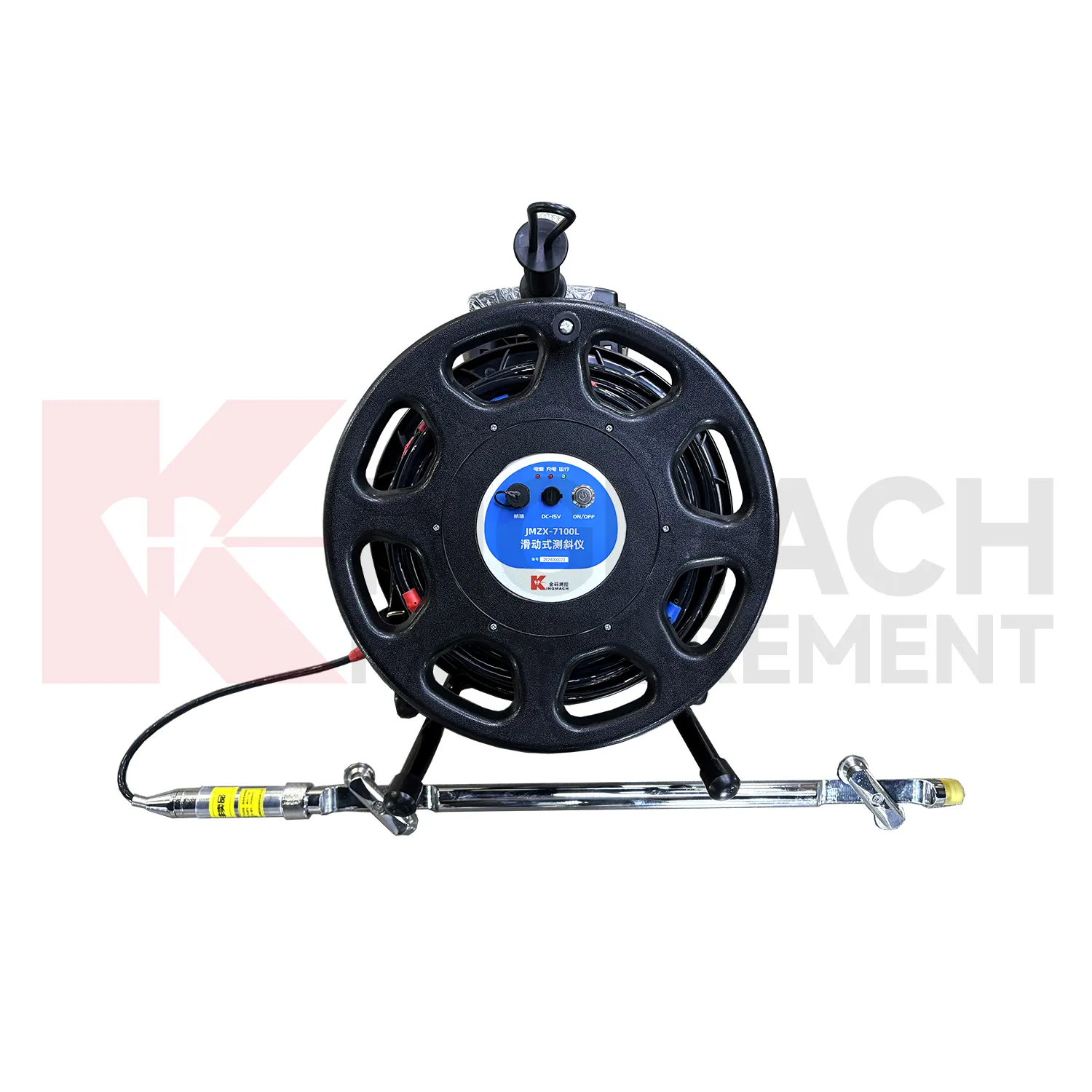
The future of vibration data loggers
Future Kingmach vibration data loggers will support cleaner integration between portable field checks and automatic data logging. A technician may verify a sensor with a handheld readout, then connect the same point to a logger for routine acquisition. The future workflow should keep these records aligned through consistent channel names, sensor identities, time stamps, and handover notes. This helps owners compare first values, commissioning checks, maintenance readings, and automatic trends without rebuilding the record manually. Better continuity will reduce confusion when projects move from installation to long-term operation. Future systems can also keep the first verified reading beside the later automatic trend. If a sensor is repaired, replaced, or moved, the handover note can show where the continuity changed. This will help owners understand whether a trend shift came from the monitored structure, the sensor point, or the acquisition setup. This continuity is especially useful when commissioning records must remain comparable with long-term operation data.
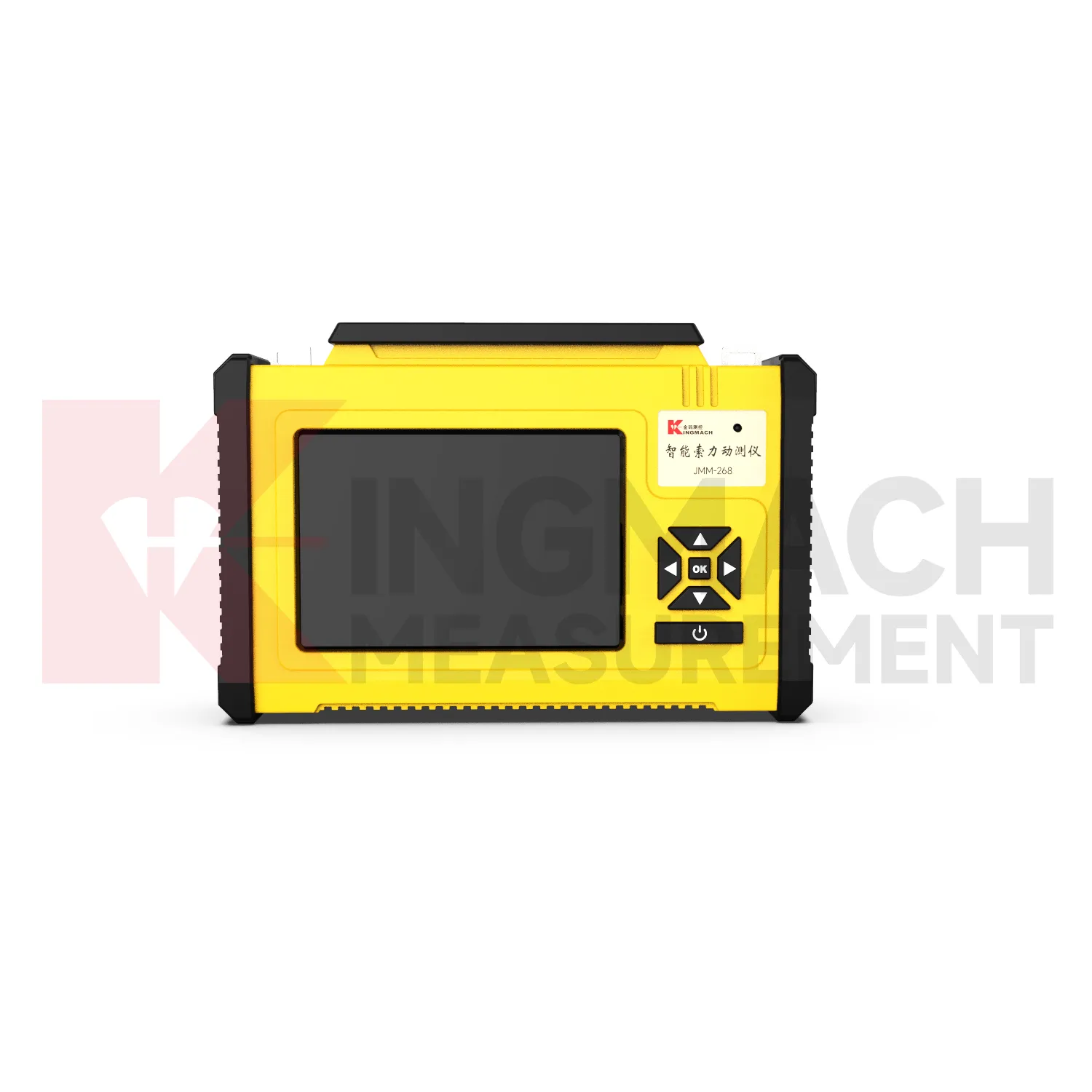
Care & Maintenance of vibration data loggers
Data review is part of maintaining Kingmach vibration data loggers. Look for missing intervals, repeated flat values, sudden jumps, time drift, channel swaps, upload delays, and readings that do not match field conditions. A data logger may continue operating while still producing a record that needs attention. Reviewers should compare acquisition status with inspection notes, power condition, communication history, and recent site work. If a period is doubtful, mark the reason clearly so later users understand how to treat it. Scheduled review keeps small acquisition problems from becoming long reporting gaps. Review work should include a short action log. If a gap is caused by upload failure, note whether local data was recovered. If a jump is caused by rewiring, note which channel changed. This turns data review into maintenance evidence rather than a private judgment by one reviewer. and supports future audits. across project phases. clearly. for owners. later. consistently.
Kingmach vibration data loggers
For Kingmach vibration data loggers, usability in the field is as important as acquisition capability. A device may be technically capable, but it still needs clear operation, readable display, secure connectors, stable power, and a practical method for exporting data. Field crews often work in tunnels, slopes, bridge decks, dam galleries, or construction zones where time and access are limited. A well-planned readout or logger reduces repeated site visits because the operator can confirm the point, store the record, and move on with confidence. This is especially useful when many sensors must be checked in one inspection round. Field usability also depends on small details: charged batteries, clean connectors, readable screen prompts, clear file names, and enough storage before the route begins. When those basics are ready, technicians can spend their time checking sensors instead of troubleshooting the instrument. during each site visit. without avoidable delay. for crews. on site safely. consistently.
FAQ
Q: What are Readouts & Data Loggers used for?
A: They collect, display, store, and transfer sensor readings so engineering teams can review monitoring data from structural, geotechnical, and industrial projects.
Q: How are readouts different from data loggers?
A: Readouts are often used for field checking and portable measurement, while data loggers support automatic acquisition, scheduled records, and longer monitoring periods.
Q: Which sensors can be connected?
A: The category can support vibrating wire sensors, digital RS485 sensors, temperature points, dynamic signals, strain instruments, displacement sensors, tilt sensors, and other monitoring devices depending on the model.
Q: Why is channel naming important?
A: Clear channel names connect each reading with the correct sensor, location, structure, and review purpose, which prevents confusion during reporting and handover.
Q: What should be checked before purchase?
A: Buyers should define sensor type, channel count, acquisition interval, power supply, communication method, storage needs, site access, and reporting workflow.
Reviews
Christopher Martinez
Very satisfied with the readouts & data loggers. User-friendly interface and supports multiple sensor inputs.
Andrew Lee
The visualization software is intuitive and powerful. It helps us analyze monitoring data efficiently.
Latest Inquiries
To protect the privacy of our buyers, only public service email domains like Gmail, Yahoo, and MSN will be displayed. Additionally, only a limited portion of the inquiry content will be shown.
Amelia***@gmail.comSingapore
Hello, I am looking for visualization software for monitoring system data analysis. Please let me kn...
Isabella***@gmail.comGermany
Hello, we are evaluating weir flow meters for a water management project. Please share accuracy deta...
Related product categories
- Dynamic Strain Data logger(VW)
- Integrated Comprehensive Acquisition Module
- Wireless Data Logger (low power consumption design)
- Data Loggers
- jointmeters
- Communication Systems
- Software Platform
- Survey Equipment
- Data management software
- Monitoring Software Suite
- Groundwater modeling software
- Data Acquisition Systems